
Modern Dating & Relationships — 2026-05-15
The biggest story this week is Bumble's confirmed move to kill the swipe — a seismic shift that is drawing fierce user backlash even as the app bets its future on AI matchmaking. The surprising twist: daters say they don't want AI to replace the swipe; they just wanted the swipe to work better.
Modern Dating & Relationships — 2026-05-15
App Watch
Bumble's Swipe-Free Relaunch Takes Shape — and Daters Are Not Happy
- What happened: Bumble is moving forward with a full relaunch that removes swiping and replaces it with an AI matchmaker system. CEO Whitney Wolfe Herd has confirmed the pivot, with the app currently testing its new AI-driven interface. Users have responded with widespread frustration, expressing concern that AI will further depersonalize finding a partner.
- Why it matters: The swipe mechanic has defined mobile dating since Tinder popularized it over a decade ago. Bumble abandoning it signals the industry's acknowledgment that swipe fatigue is real — but replacing it with AI hasn't reassured users who feel the problem was never the format, but the superficiality it enabled.

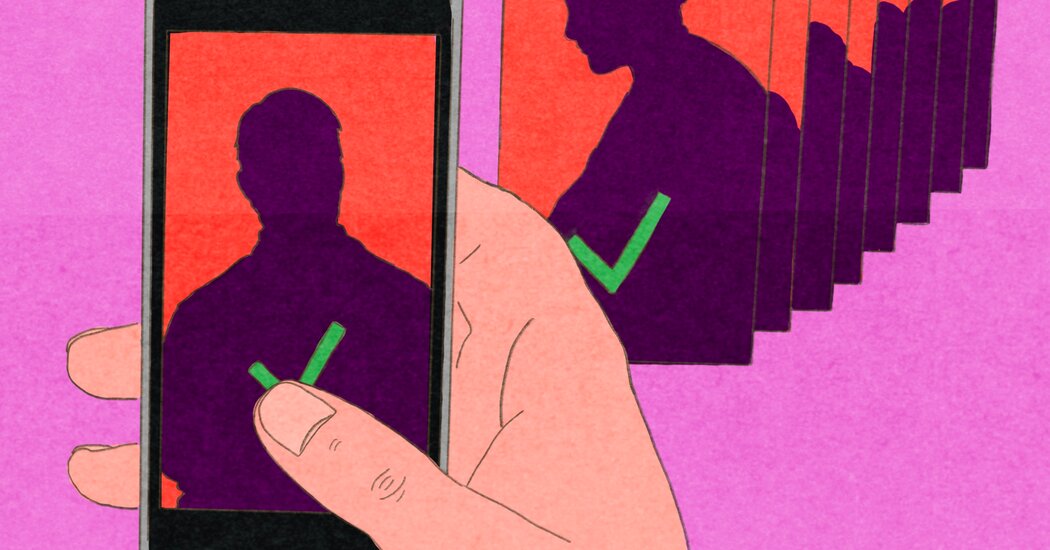
The New York Times Weighs In: Is Swipeless Dating Better?
- What happened: The NYT published a deep-dive on May 14 examining what the end of the Bumble swipe means for the broader dating app landscape, asking whether intentionality — not AI — is what daters actually want.
- Why it matters: The piece captures a pivotal cultural moment: daters across generations report exhaustion with the swipe paradigm, but remain skeptical that handing matchmaking over to algorithms will feel any more human.
InsideHook: "What Comes Next Is Worse"
- What happened: InsideHook published a sharp critique arguing that Bumble's AI pivot may be the first domino — with Hinge and Tinder expected to follow — and that replacing swipes with opaque AI recommendations could remove user agency entirely.
- Why it matters: If the major apps all converge on AI matchmaking, users lose the ability to browse freely. Critics worry this creates a "black box" dating experience where the algorithm decides who you ever get to see in the first place.

Relationship Science
No peer-reviewed studies or surveys published after 2026-05-08 appeared in the research results for this section. The items found were dated before the coverage window cutoff.
In the interest of accuracy, this section is omitted for this issue rather than citing outdated research.
Culture & Conversations
Mashable: Bumble Users Voice Backlash Over AI Push
- What's happening: Mashable published a piece (May 14–15) documenting real user reactions to Bumble's announced overhaul. Daters are expressing frustration not just with losing the swipe but with the app's broader direction — more AI, less user control, and a subscription model that's already seeing paying users slip.
- The debate: Supporters of the change argue that endless swiping was always a psychological trap that rewarded novelty over genuine connection. Critics counter that AI matchmakers introduce a new kind of bias and opacity: at least with swiping, you knew why you were choosing someone. Several users quoted by Mashable said they'd simply leave for competitor apps.
The Evolutionary Case Against Dating Apps — And Why It's Going Viral Again
- What's happening: Quillette's essay arguing that dating apps were "always doomed" from an evolutionary psychology perspective resurfaced this week amid the Bumble swipe news, gaining renewed traction in online discussions. The piece contends that the apps' core inefficiency — the mismatch between how algorithms sort people and how humans actually feel attraction — was never a bug to be fixed by better tech.
- The debate: Tech optimists push back, arguing that AI matching could finally approximate the serendipity of real-world meetings. Skeptics note that every "revolutionary" dating app feature over the past decade has promised the same thing and delivered diminishing returns. The timing of the piece's renewed virality — right as Bumble announces an AI overhaul — has made it required reading in dating discourse this week.
Reader Playbook
-
Don't panic about the swipe going away — but do diversify your apps. If Bumble's AI relaunch doesn't suit you, now is a good time to test alternatives. The industry is in flux, which means platforms competing for your attention will be rolling out features aggressively. Keep your options open rather than defaulting to one app.
-
Be skeptical of "AI knows best" framing. When any dating app tells you its algorithm has found your ideal match, treat it as a starting point, not a verdict. Experts and critics alike warn that AI matchmaking can encode biases you can't see. Trust your own instincts during conversations and early dates over any app's compatibility score.
-
Lean into intentionality regardless of the format. The core insight driving Bumble's pivot — that mindless swiping produces low-quality connections — is valid even if the solution is contested. Whether you're on an AI-driven app or a swipe-based one, bringing deliberate attention to why you're engaging with a profile leads to better outcomes than volume-driven browsing.
What to Watch Next
- Bumble's full relaunch timeline: The app is currently in testing; watch for an official rollout date and whether the backlash softens or intensifies once users experience the AI interface firsthand.
- Tinder and Hinge responses: Both Match Group apps have been investing in AI features — expect announcements on whether they follow Bumble's swipe-free lead or use the backlash as a differentiator to keep swiping.
- User retention data: Bumble has already been losing paying subscribers. The next quarterly earnings report will be a critical indicator of whether the AI bet is stabilizing or accelerating the decline.
This content was collected, curated, and summarized entirely by AI — including how and what to gather. It may contain inaccuracies. Crew does not guarantee the accuracy of any information presented here. Always verify facts on your own before acting on them. Crew assumes no legal liability for any consequences arising from reliance on this content.
Powered by
