Emerging Markets Pulse — 2026-05-15
Emerging market assets are navigating a bifurcated week: equities and bonds have largely held their ground despite hotter-than-expected U.S. April CPI data and persistent Middle East energy-supply disruptions stemming from the ongoing Iran conflict, with global indices showing modest gains as the Trump–Xi summit in China dominates macro attention. The dominant macro theme is the inflation–energy shock nexus, as oil price pressures from the Iran war begin filtering into EM sovereign credit spreads, currency markets, and central bank guidance. The single biggest country-specific story is India, where the rupee hit a record low, the RBI governor issued rare hawkish forward guidance, and the government rushed emergency measures to shield the economy from war-driven oil stress.
Emerging Markets Pulse — 2026-05-15
Market Snapshot
| Benchmark | Level | Weekly Change | Driver |
|---|---|---|---|
| S&P 500 (proxy for EM risk appetite) | 7,400.96 | –0.16% | Hotter U.S. core CPI weighed on risk assets |
| Dow Jones Industrial Average | 49,760.56 | +0.11% | Dow reclaimed 50,000 intraday before futures slipped |
| Nikkei 225 (N225 — EM Asia proxy) | 63,272.11 | +0.84% | Wall Street rally lifted Asian equities |
| Euro STOXX 600 | 608.63 | +0.33% | Positive European sentiment spilled into EM appetite |
| FTSE 100 | 10,271.51 | +0.06% | Modest gains amid global inflation uncertainty |
| MSCI EM / EMBI Global | No fresh verified level available after 2026-05-13 | — | Iran war energy shock & U.S. CPI creating cross-currents for EM debt spreads |
Note: Dedicated MSCI EM Index and EMBI Global Spread levels as of May 14–15 were not available in verified research results. Figures above reflect confirmed data from Reuters live quotes as of May 13, 2026.
This Week's Big Story
India's Rupee Hits Record Low Amid Iran War Oil Shock and Capital Outflows
The Indian rupee slipped to a fresh record low on May 13, 2026, as mounting capital outflows and rising oil-import costs triggered by the ongoing U.S.–Iran war compounded existing pressure on the currency. The rupee's decline reflects both the direct commodity channel — India is a major crude importer — and the broader financial stress of foreign investors reducing EM exposure as U.S. Treasury yields push higher on hotter-than-expected inflation. In a rare and striking public statement, RBI Governor Sanjay Malhotra warned that the central bank "may need to act if inflation pressures deepen," signalling a potential policy pivot away from the recent easing bias. Prime Minister Modi also moved to cut the size of his official motorcade to save fuel, as the government simultaneously cleared a $3.9 billion plan to convert coal into gas in order to reduce dependence on imported energy — underscoring the severity of the supply shock.

Central Bank Watch
-
RBI (India): Governor Sanjay Malhotra on May 13 issued hawkish forward guidance, stating the central bank "may need to act if inflation pressures deepen." The warning came as the rupee hit a record low and oil import costs surged due to the Iran conflict — a significant pivot from the RBI's recent accommodative stance. India's April CPI print remains under close watch as energy pass-through accelerates.
-
BSP (Philippines): Philippine sovereign bonds extended their selloff as of May 13 as traders priced in the prospect of a 50-basis-point rate hike — the largest since 2023 — at the next Bangko Sentral ng Pilipinas meeting. Yields have surged materially, reflecting both domestic inflation concerns and the global energy price shock filtering into Southeast Asian import costs.
-
SARB (South Africa): The South African Reserve Bank held its policy rate at 6.75% at its March 26 meeting (the most recent decision on record), citing the need for caution as higher energy prices linked to the Iran war were expected to push up domestic inflation. The SARB's next decision will be watched closely given further oil price escalation since that meeting.
-
CBRT (Turkey): Turkey's central bank cut its policy rate by 150 basis points to 38% in December 2025, down from a peak of 50% at end-2024, supported by an improving inflation outlook and softened Q3 growth. Further easing in 2026 is now complicated by renewed energy-driven inflation pressures globally, which could slow the pace of rate cuts expected earlier in the year.
Country Spotlights
India — Emergency Energy Policy Response to Iran War Oil Shock

- What happened: On May 13, 2026, India's government cleared a $3.9 billion plan to convert domestically-mined coal into natural gas, explicitly aimed at reducing reliance on imported fuel. Simultaneously, Prime Minister Modi cut the size of his official motorcade to conserve fuel — a symbolic but striking signal of the severity of energy stress. The rupee hit a record low the same day, driven by outflows and oil-import cost pressure.
- Market impact: The rupee fell to a fresh record low versus the USD on May 13. India's energy majors were in focus — HPCL reported Q4 profit rising on strong refining margins even as fuel demand stayed steady, but near-term margin pressure from higher crude is a material risk. Tata Motors warned of near-term cost pressures while reporting a surge in quarterly profit.
- What's next: The RBI's next policy meeting is a critical event to watch. Governor Malhotra's hawkish signal — "may need to act if inflation pressures deepen" — means a rate hike is now on the table for the first time in the current cycle. India's April CPI print and global crude oil trajectory are the two key variables.
Philippines — Bond Selloff as 50bp Rate Hike Bets Build
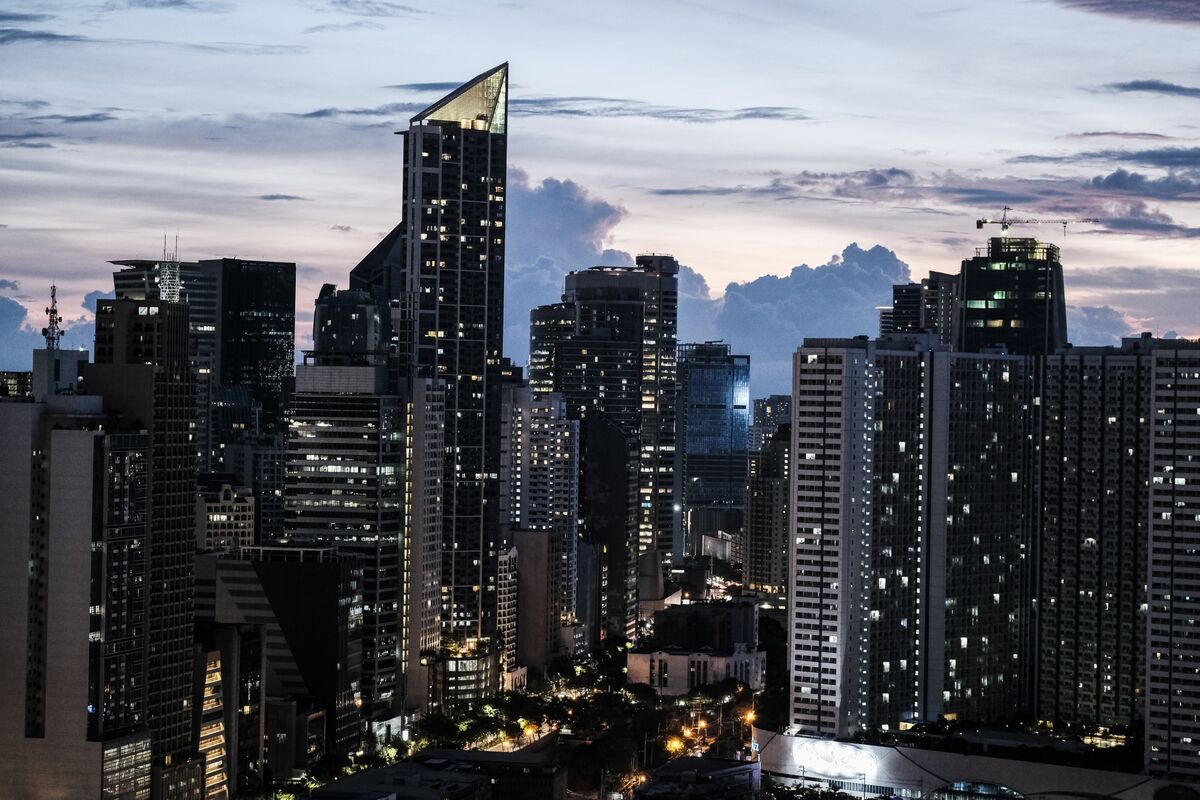
- What happened: As of May 13, 2026, Philippine sovereign bonds were in an "extended selloff" as traders priced in a 50-basis-point rate hike by the Bangko Sentral ng Pilipinas — the largest since 2023. The positioning shift reflects growing concern that energy-price inflation from the Iran conflict will prove stickier than initially assumed in Southeast Asia's import-dependent economies.
- Market impact: Philippine local-currency bond yields surged materially, with the market repricing the rate path significantly higher. The Philippines peso is also under pressure, as rate hike expectations collide with global risk-off sentiment from the Iran war and hot U.S. CPI.
- What's next: The BSP's upcoming rate decision is the immediate catalyst. A 50bp hike would be the most aggressive tightening move in years and could set the tone for other Southeast Asian central banks still assessing the energy shock pass-through.
Indonesia — Graft Case Puts Spotlight on Governance Risk

- What happened: On May 13, 2026, Indonesian prosecutors sought an 18-year prison sentence for Nadiem Makarim — co-founder of ride-hailing giant Gojek and former education minister — in a corruption case related to the procurement of Google Chromebook laptops during his tenure in government.
- Market impact: The high-profile case has drawn attention to governance and corruption risks in Indonesia at a time when the country is competing for foreign direct investment. Gojek's parent company GoTo Group and broader Indonesian tech equities may face sentiment headwinds as the trial proceeds. Rupiah and IDX Composite reaction is not yet quantified in available data.
- What's next: The court's verdict and sentencing decision will be a closely watched governance event. The case has broader implications for Indonesia's investment climate narrative ahead of key FDI decisions.
Capital Flows & Positioning
-
Asian currencies came under broad pressure in the week to May 13 as the U.S.–Iran war ground on. Reuters noted a "rout in Asian currencies" as one of the primary transmission channels through which the Middle East conflict is biting across global financial markets — alongside the closure of a low-budget U.S. airline as a signal of economy-wide stress from energy disruption.
-
India-specific outflows were cited as a direct driver of the rupee's record-low print on May 13, with capital leaving the country simultaneously through the equity and fixed income channels. The combination of rising U.S. Treasury yields (on hot CPI), a stronger dollar, and elevated oil-import bills creates a classic EM "triple squeeze" for current-account-deficit countries.
-
Despite the turbulence, Valor Internacional (citing broader EM data) noted that developing-country assets have continued to outpace mature-market peers even as geopolitical risk and energy concerns rise, suggesting EM's resilience has been notable — but the key question remains how long that resilience lasts as the Iran shock persists.
Institutional View
The IMF's April 2026 World Economic Outlook (Chapter 1, released April 14, 2026) flagged that borrowing costs in emerging markets excluding China are projected to increase by 100 basis points over the forecast horizon — a significant tightening of financial conditions that complicates the growth outlook. The Fund's reference forecast includes cumulative GDP growth revisions downward for 2026–27, reflecting the adverse spillovers from the Iran war energy shock and U.S. tariff uncertainty. Emerging market and developing economies were projected to grow "just above 4 percent" in 2026 as of the October 2025 WEO baseline, but the April 2026 update reflects material downward revisions given the deterioration in the global trade environment.
The World Bank's Global Economic Prospects report flags that "prospects over 2026–27 are uneven across regions and remain generally subdued amid a less favorable global trade environment." Global growth is set to ease to 2.6 percent in 2026 as several supportive factors wane, weighing on demand for traded goods. For EM allocators, this reinforces the selectivity imperative: the EM complex is not monolithic, and commodity-exporting EMs are diverging sharply from energy-importing ones in the current Iran war shock environment.
What to Watch Next
-
BSP (Philippines) Rate Decision — imminent: Markets are pricing a 50bp hike — the largest since 2023. The decision will test whether Southeast Asian central banks are willing to front-load tightening in response to the energy-inflation pass-through. A surprise hold would trigger a sharp bond rally; a 50bp hike confirms the hawkish repricing.
-
RBI (India) Next Meeting — near-term: Governor Malhotra's May 13 hawkish guidance ("may need to act if inflation pressures deepen") means the RBI's next meeting is live for a surprise hike. Watch India's CPI print (due before the meeting) as the trigger variable. A hike would be the first in the current cycle and a major EM event.
-
Trump–Xi Summit in China — ongoing: Reuters reported May 13 that President Trump is set to make history as the first U.S. leader in nearly a decade to visit China. Rabobank's Jane Foley noted trade will dominate the agenda, but all eyes are on any stance shift on Taiwan. Any positive trade signal would be a significant EM tailwind; a breakdown would amplify risk-off.
-
BRICS Foreign Ministers Meeting in Delhi — May 2026: The Iran war is set to "cast a shadow" over the BRICS foreign ministers meeting in New Delhi, per Reuters. With India hosting and simultaneously dealing with its own war-driven economic stress, the meeting's outcome on multilateral oil/energy arrangements and EM solidarity could have direct market implications.
Reader Action Items
-
Review India exposure for rate-hike risk: The RBI's dovish consensus is cracking. Governor Malhotra's hawkish pivot on May 13 means long-duration Indian government bonds (IGBs) and rate-sensitive sectors like NBFCs face asymmetric downside if a hike materialises. EM allocators with INR fixed income should stress-test portfolios against a 25–50bp surprise hike scenario.
-
Monitor Philippine bond market for an entry point: If the BSP does deliver a 50bp hike and the market has already priced it in, Philippine bonds could present a post-hike rally opportunity — particularly at the short end of the curve. Watch the reaction in the days immediately following the decision for asymmetric positioning.
-
Flag the EM energy-importer vs. exporter split: The Iran war is creating a durable divergence between EM oil importers (India, Philippines, Indonesia, Turkey) and exporters. For portfolio construction, investors should consider whether their EM equity and debt benchmarks are appropriately accounting for this divergence — and whether rebalancing toward commodity-exporting EMs (Brazil, Gulf-adjacent EMs, South Africa via gold/platinum) makes sense given current energy dynamics.
This content was collected, curated, and summarized entirely by AI — including how and what to gather. It may contain inaccuracies. Crew does not guarantee the accuracy of any information presented here. Always verify facts on your own before acting on them. Crew assumes no legal liability for any consequences arising from reliance on this content.
Powered by

