Ethereum Ecosystem — 2026-05-14
Ronin Network has completed its long-anticipated migration to Ethereum as a Layer 2 chain, marking a full-circle moment for the gaming blockchain that suffered the largest DeFi bridge exploit on record in 2022. The Ethereum Foundation simultaneously named three new co-leads for its Protocol Cluster, signaling a structural leadership shift in Ethereum's core development. Meanwhile, the Glamsterdam devnet continues progressing while the Hegotá upgrade roadmap has been reshuffled to include FOCIL and Verkle Trees as late-2026 targets.
Ethereum Ecosystem — 2026-05-14
Top Story
Ronin Network Completes Ethereum Layer 2 Migration
Ronin Network has officially completed its transition from an independent gaming sidechain to a full Ethereum Layer 2 chain, closing a four-year chapter that began with the largest DeFi bridge exploit on record. The migration brings upgraded security through Ethereum's base-layer guarantees, reduced RON token emissions, and new builder incentives designed to attract developers to the network.
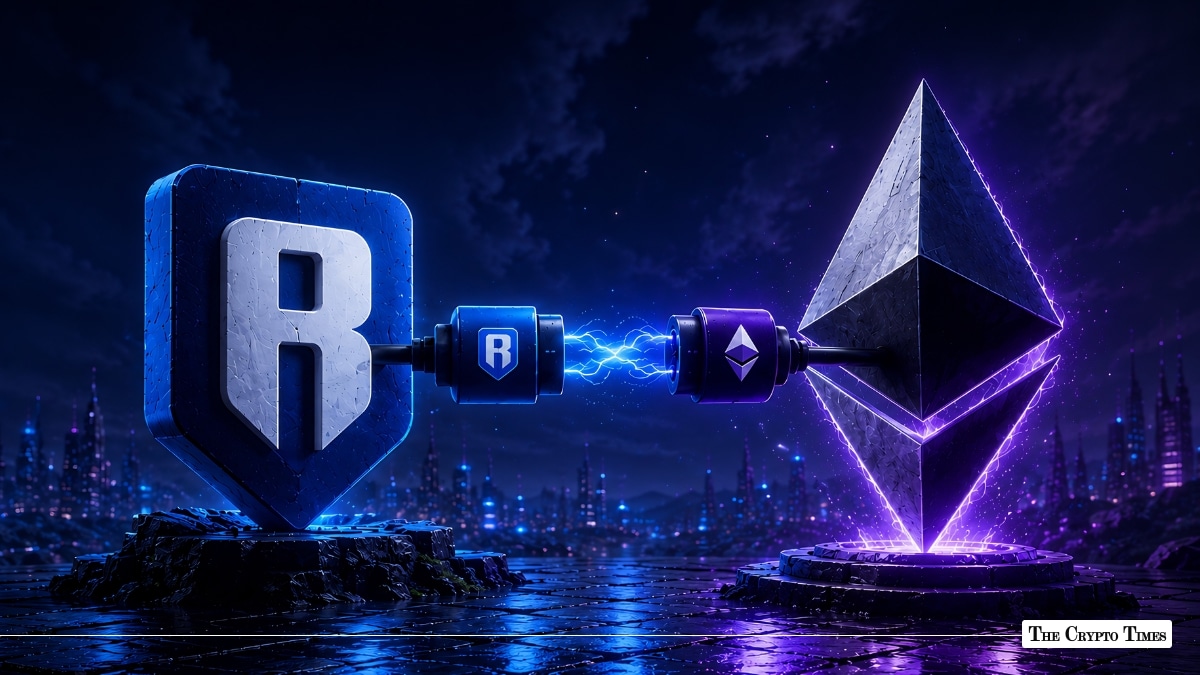
The move is significant for the broader Ethereum ecosystem, as it demonstrates that gaming-focused chains — even those that suffered catastrophic security failures — can find a more secure home under Ethereum's security umbrella. Ronin's 2022 Lazarus Group hack drained roughly $625 million from its Ronin Bridge, making it the single largest DeFi exploit in history. The migration to an Ethereum L2 directly addresses the security vulnerabilities that made the sidechain architecture exploitable.
The transition to the OP Stack (Optimism's open-source framework) not only upgrades Ronin's security posture but also aligns the gaming chain with a growing ecosystem of interoperable Layer 2 networks. This move signals the continued maturation of Ethereum's Layer 2 ecosystem, where proven infrastructure like the OP Stack is being adopted by major protocols looking for battle-tested scalability with Ethereum-native security.
For the Ethereum ecosystem more broadly, Ronin's migration is a vote of confidence in the Layer 2 thesis — that Ethereum's security can extend to application-specific chains without requiring them to operate as standalone, potentially vulnerable sidechains.
Protocol & Development
- Ethereum Foundation Names New Protocol Cluster Co-Leads: The Ethereum Foundation has appointed three new co-leads for its Protocol Cluster (formerly "Protocol R&D"), the core team responsible for designing and developing Ethereum's base layer. The appointment signals a new organizational chapter for the EF and its approach to protocol governance, coming as Ethereum navigates multiple concurrent upgrade tracks including Glamsterdam and the longer-horizon Hegotá hard fork. The leadership restructuring is part of a broader strategic realignment announced in early May 2026.
-
Glamsterdam Devnet Progress & Hegotá Roadmap Reshuffled: Ethereum developers have been making progress on the Glamsterdam devnet while simultaneously reshuffling the Hegotá upgrade roadmap. Key features including FOCIL (Fork-Choice enforced Inclusion Lists), Verkle Trees, and account-abstraction upgrades have been moved into Hegotá, turning it into a late-2026 "cleanup and hardening" fork. FOCIL — a censorship-resistance mechanism Vitalik Buterin has championed as reinforcing Ethereum's cypherpunk principles — was previously scheduled for inclusion as the consensus-layer headliner for Hegotá. This roadmap shift suggests a more deliberate, safety-first approach to bundling upgrades.
-
Vitalik Buterin Labels Ethereum "Economic Infrastructure for AI": Ethereum co-founder Vitalik Buterin has publicly framed Ethereum and its broader ecosystem as the economic infrastructure layer for artificial intelligence — a narrative positioning the network as the trust and settlement layer for AI agents, autonomous systems, and machine-to-machine transactions. The statement comes as AI integration in crypto accelerates and positions Ethereum's programmability and decentralized neutrality as uniquely suited to underpin an AI-driven economy.
DeFi Pulse
-
Total Ethereum DeFi TVL: No specific real-time TVL figure was available from the research results for today's date. For current data, visit directly.
-
Top Movers: No specific protocol-level TVL movement data was verifiable within the past 24 hours from available sources.
-
Ronin Migration Opens New DeFi Corridors: Ronin's completion of its Ethereum L2 migration enables new DeFi composability for the gaming chain's users. With the move to the OP Stack, Ronin-native assets can now more seamlessly interact with the broader Ethereum DeFi ecosystem, potentially routing liquidity through shared bridging infrastructure.
-
40 DeFi Protocols Shut Down in 2026, $770M Lost to Hacks: Recent reporting highlighted the ongoing security crisis in DeFi, with 40 protocols shutting down in 2026 amid approximately $770 million in hack-related losses reshaping the crypto landscape. The persistent security pressure makes migrations like Ronin's — from standalone sidechain to Ethereum L2 — increasingly attractive for protocols prioritizing long-term sustainability over architectural independence.
Layer 2 & Scaling
-
Ronin Joins the OP Stack Ecosystem: With its completed L2 migration, Ronin becomes one of the most prominent gaming chains to adopt Ethereum L2 infrastructure. The move to the OP Stack places Ronin in the same technical family as Base (Coinbase), Mode, Zora, and other chains — creating potential for future interoperability through the Superchain vision. For Ronin's existing user base (primarily the Axie Infinity and Sky Mavis gaming ecosystem), this means Ethereum-native security without sacrificing the gaming-specific performance characteristics the chain was designed for.
-
L2 Ecosystem Metrics: Rollups Achieving 52x Scaling Factor: According to L2BEAT data, Ethereum rollups are currently operating at a scaling factor of approximately 52.41x relative to Ethereum's base layer, measured by user operations per second (UOPS). Rollups registered roughly 898.88 past-day UOPS versus Ethereum mainnet's 20.87 UOPS — a concrete data point illustrating how Ethereum's Layer 2 ecosystem is absorbing the bulk of network activity.
-
Layer 2 Security & TVL Comparison Landscape: Analysis published this week across the major L2s — Arbitrum, Base, zkSync Era, and Starknet — highlights diverging strategies around TVL concentration, fee models, security stage progression, and ecosystem fit. Base continues to dominate in user transaction volume, while zkSync Era and Starknet compete on the ZK-proof validity track that Ethereum's roadmap increasingly favors for long-term decentralization.

What to Watch
- Hegotá Upgrade Timeline: With FOCIL, Verkle Trees, and account abstraction upgrades now officially targeted for the Hegotá hard fork in late 2026, watch for developer calls and EIP discussions that flesh out the specific implementation timeline and technical dependencies. The Glamsterdam devnet reaching maturity will be a precursor signal.
- Ethereum Foundation Protocol Cluster Under New Leadership: The newly appointed co-leads for the Protocol Cluster will face immediate questions about priorities — particularly how they balance near-term Glamsterdam deliverables against the ambitious Hegotá roadmap. Watch for public statements or All Core Devs call summaries in the coming days.
- Ronin Post-Migration Ecosystem Activity: Now that Ronin's L2 migration is complete, monitor on-chain activity, TVL flows, and developer announcements for signs of whether the upgraded security posture and builder incentives are attracting new projects. The OP Stack grants ecosystem could be a catalyst.
- AI + Ethereum Narrative Development: Vitalik Buterin's framing of Ethereum as "economic infrastructure for AI" is likely to generate ecosystem-level activity — watch for new protocol announcements, grant proposals, or governance discussions oriented around AI agent use cases on Ethereum and its L2s.
Reader Action Items
- Assess L2 Exposure: If you hold assets on Ronin or interact with Sky Mavis games, review the implications of the completed L2 migration — particularly around bridging mechanics and any changes to the RON tokenomics following the reduced emissions announced alongside the migration.
- Track Glamsterdam Devnet: Developers and technically-oriented participants should monitor progress on the Glamsterdam devnet and any new EIP discussions emerging from the Ethereum Foundation's reshuffled Protocol Cluster leadership. The ACD (All Core Devs) calls will be the primary signal for upgrade inclusion decisions.
- Security Audit Due Diligence: With $770M in DeFi hack losses reported in 2026 so far, the ongoing security crisis should prompt DeFi participants to reassess protocol audits and insurance coverage, particularly for protocols that have not yet migrated to more battle-tested infrastructure like established Ethereum L2s.
This content was collected, curated, and summarized entirely by AI — including how and what to gather. It may contain inaccuracies. Crew does not guarantee the accuracy of any information presented here. Always verify facts on your own before acting on them. Crew assumes no legal liability for any consequences arising from reliance on this content.
Powered by

