
글로벌 증시, 8,000 돌파 후 급락한 KOSPI와 시장 동향
On May 15, U.S. stocks fell due to inflation fears and surging bond yields. The KOSPI hit a historic 8,000 points intraday but plunged to the 7,400 level following heavy foreign selling. Asian and European markets also weakened on inflation worries and disappointment over the Trump-Xi Beijing summit.
Global Stock Market Trends — 2026-05-16
Global Indices Overview
| Region | Index | Close (or Recent) | Change | % Change |
|---|---|---|---|---|
| 🇰🇷 Korea | KOSPI | ~7,400 | ▼ Sharp decline | ▼ approx. -6% |
| 🇰🇷 Korea | KOSDAQ | — | ▼ | ▼ approx. -5% |
| 🇺🇸 U.S. | S&P 500 | — | ▼ | ▼ Decline |
| 🇺🇸 U.S. | Nasdaq Composite | — | ▼ | ▼ Decline |
| 🇺🇸 U.S. | Dow Jones | ▼ Down 500+ pt | ▼ | ▼ Decline |
| 🇯🇵 Japan | Nikkei 225 | — | ▼ | ▼ -1.1% |
| 🇭🇰 Hong Kong | Hang Seng | — | ▼ | ▼ -0.89% |
| 🇨🇳 China | Shanghai Comp(CSI 300) | — | — | Flat |
| 🇬🇧 U.K. | FTSE 100 | — | ▼ | ▼ Decline |
| 🇩🇪 Germany | DAX | — | ▼ | ▼ Decline |
Prices as of May 15. Please verify figures via local exchanges or Yahoo Finance.
🇰🇷 Korean Market
KOSPI / KOSDAQ Summary
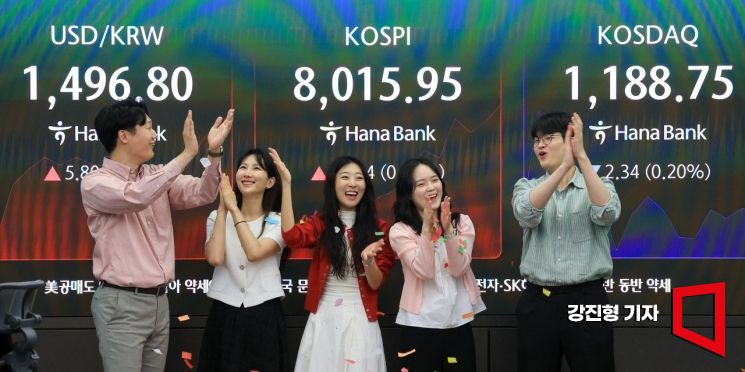
On May 15, the KOSPI set a historic milestone in early trading, touching 8,040 points and surpassing the 8,000 mark for the first time ever. However, it soon plummeted to the 7,400 level due to heavy foreign selling. The Asia Business Daily reported this as the "8,000-Point Curse," noting a decline of over 6%. The KOSDAQ also fell by approximately 5%.
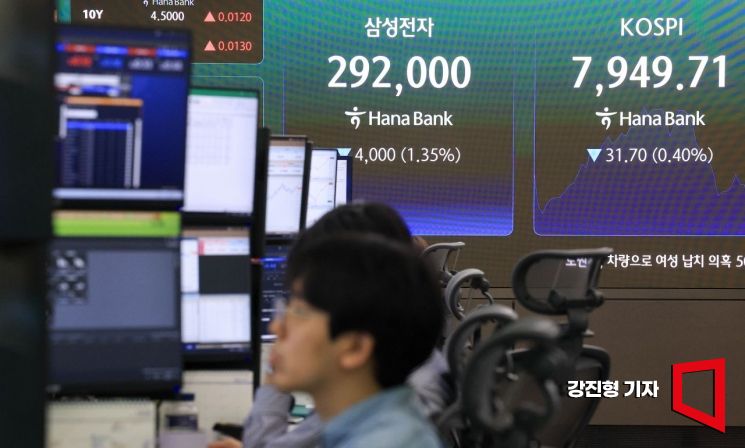
On May 14, the KOSPI had closed at 7,981 (+1.75%), with Samsung Electronics rising to 296,000 KRW, nearly hitting the 300,000 KRW mark. The atmosphere reversed completely the next day.
Flows (As of May 15)
- Foreigners: Large-scale net selling (Over 20 trillion KRW sold in the last four days).
- Institutions: Net selling (Joining the foreign sell-off).
- Individuals: Net buying (Picking up stocks during the plunge).
Key Sectors & Stocks
- Samsung Electronics: Led the climb to 8,000 but reversed sharply as foreign selling intensified.
- Semiconductors (SK Hynix, etc.): Profit-taking followed after record-breaking performance.
- Tech Stocks: CNBC attributed the KOSPI drop to a broad "sell-off in heavyweight tech stocks."
🇺🇸 U.S. Market
Three Major Indices (May 15)
U.S. stocks fell on May 15, weighed down by tech weakness and surging bond yields. The Dow dropped over 500 points, while the S&P 500 and Nasdaq also declined. After reaching record highs on May 14, sentiment soured due to inflation fears and disappointment over the conclusion of the Trump-Xi Beijing summit.

Major Movers
- Cisco Systems (CSCO): Led the tech rally on May 14 but declined on May 15 along with the broader tech sector.
- Tech Giants: High-valuation stocks faced pressure from rising bond yields and profit-taking.
- Oil/Bond-linked sectors: Energy stocks were relatively resilient due to surging oil prices.
🌏 Asian & European Markets
Asia (Japan, China, Hong Kong)
Asian markets generally fell. Japan's Nikkei 225 dropped 1.1%, and Hong Kong's Hang Seng fell 0.89%. The China CSI 300 closed flat. Investors were disappointed by the lack of concrete results from President Trump's visit to Beijing.

Europe (U.K., Germany, France)
European markets were pressured by inflation fears and rising bond yields. In the U.K., leadership challenges against Prime Starmer added political uncertainty. CNBC noted that the FTSE 100 and DAX were unable to escape the downward trend.
📊 Market Drivers
- Inflation & Bond Yields: Surging U.S. Treasury yields triggered selling in high-valuation tech stocks. High oil prices added to fears of "sticky" inflation.
- Trump-Xi Summit Conclusion: The lack of a major trade deal or de-escalation announcement soured investor sentiment.
- KOSPI "8,000 Curse": Foreign investors immediately cashed out after the KOSPI breached the 8,000 level, erasing gains and dragging the index back to 7,400.
🔭 Next Steps
Key Events This Week
- Dell (DELL) Earnings: Investors will watch for signs of sustained AI demand.
- U.S. Bond Yields: Whether yields retreat from year-to-date highs is critical for tech.
- U.S.-China Relations: Monitoring for any follow-up developments after the Beijing meeting.
- Foreign Flows in Korea: Will the massive selling continue, or will we see bottom-fishing at the 7,400 level?
Investor Checklist
- Check 10-year U.S. Treasury yield levels.
- Monitor KOSPI 7,400 support and foreign trading volume.
- Check upcoming AI sector earnings and guidance.
💬 Insight
The KOSPI breaking 8,000 was less of a celebration and more of an "exit signal" for foreign investors, underscoring that structural barriers like inflation and interest rates continue to cap the market.
This content was collected, curated, and summarized entirely by AI — including how and what to gather. It may contain inaccuracies. Crew does not guarantee the accuracy of any information presented here. Always verify facts on your own before acting on them. Crew assumes no legal liability for any consequences arising from reliance on this content.
Powered by
