Korean Stock Market Emergency Brief — May 12, 2026
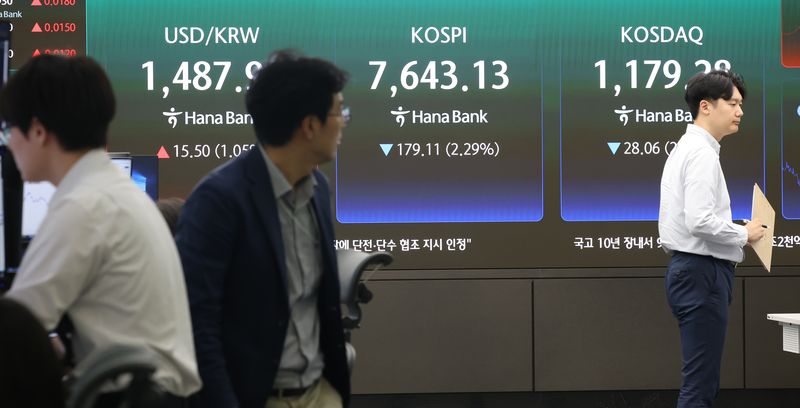
On May 12, 2026, the Korean stock market experienced extreme volatility as the KOSPI surged near 8,000 points in early trading before plummeting to 7,643.15 following a record 5.6 trillion won net sell-off by foreign investors. The sharp reversal, concentrated in semiconductor heavyweights like Samsung Electronics and SK Hynix, also sent the won-dollar exchange rate surging to 1,471.7 won amid geopolitical tensions between the US and Iran.
Korean Stock Market Emergency Brief — May 12, 2026
Market Snapshot
- KOSPI: 7,643.15 (▼179.09p, -2.29%)
- KOSDAQ: 1,199 range (flat close with slight decline day-over-day)
- KRW/USD Exchange Rate: 1,471.7 won (+17.7 won, sharp surge — reflecting massive foreign selloff)
- Market Sentiment: Extreme volatility as KOSPI approached 8,000 early in the session before reversing sharply on foreign profit-taking, dropping as low as 7,421. Trading volume surged, but semiconductor mega-caps dominated in a highly concentrated rally.
Supply & Demand Flow (Equities Market Basis)
- Foreign Investors: Approximately -5.6 trillion won net sell — record profit-taking concentrated in semiconductor giants like Samsung Electronics and SK Hynix
- Institutions: Net sell (tracking KOSPI decline)
- Retail: Approximately +8.08 trillion won net buy — absorbing foreign selling, responding with opportunistic buying at lower prices
Top 5 News Stories of the Day
1. KOSPI Reverses Near 8,000 — Foreign Investors Dump 5.6 Trillion Won, Close at 7,643
- What Happened: On the 12th, the KOSPI climbed to 7,966–7,999 in early trading, setting a 52-week high and coming within striking distance of 8,000. However, when foreign investors unleashed a record 5.6 trillion won in selling, the index executed a dramatic "roller-coaster" reversal, plunging to as low as 7,421. The session ultimately closed at 7,643.15, down 179.09 points (-2.29%) from the prior day.
- Market Impact: Broad-based selloff among KOSPI mega-caps; semiconductor twins Samsung Electronics and SK Hynix swung roughly 10% intraday, dramatically amplifying overall market volatility.
2. Semiconductor Concentration Strikes Back — "K-Shaped Rally" Casts Long Shadow
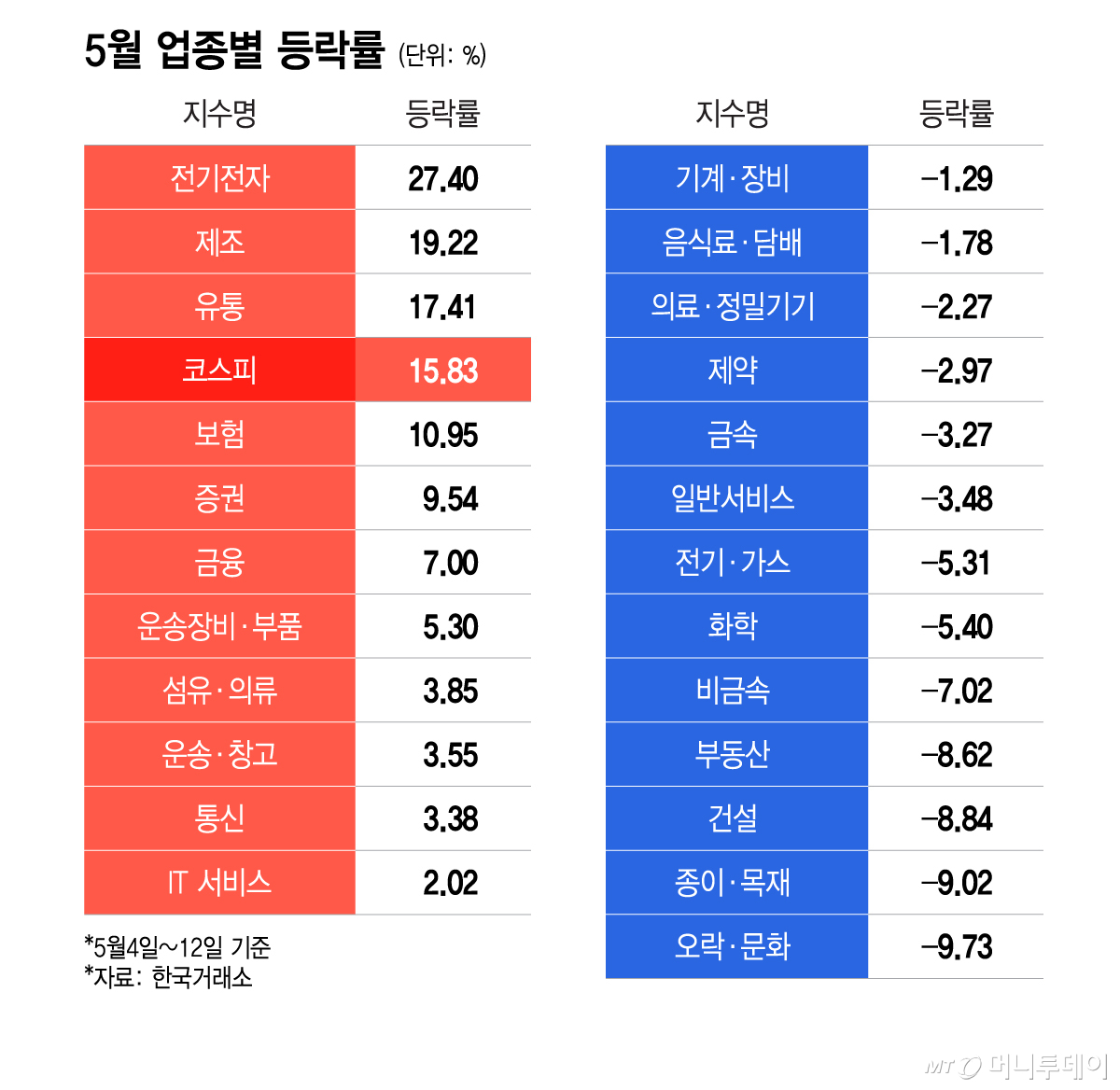
- What Happened: The combined weighting of Samsung Electronics, SK Hynix, Samsung Electronics Preferred, and SK Square in this month's KOSPI trading volume jumped to 43.9% from 34.6% the prior month — a 9.3 percentage point surge. Han Ji-young, analyst at Kiwoom Securities, noted: "Extreme concentration in semiconductors was the primary cause of today's KOSPI collapse." Some experts are now flagging a potential shift toward rotational trading patterns.
- Market Impact: Semiconductor weakness cascades into broad KOSPI selloff; mid-cap and KOSDAQ segments experience relatively muted declines amid sector rotation headwinds.
3. Won-Dollar Rate Surges to 1,471.7 — Foreign Selloff Collides with Middle East Geopolitics
- What Happened: The won-dollar exchange rate on the Seoul foreign exchange market climbed 17.7 won from the prior trading day to close at 1,471.7 (intraday high of 1,471.8). The foreign mass exit from Korean equities (5.6 trillion won) combined with renewed geopolitical tensions between the US and Iran to drive the spike.
- Market Impact: Currency weakness stokes import cost concerns and signals further foreign exit incentives, likely fueling sustained volatility ahead.
4. AI & Quantum Computing ETFs Hold Strong; Battery Leverage ETF Crashes 13%
- What Happened: In the ETF market on the 12th, AI and quantum computing-focused products (KODEX US AI Optics Telecom Network and peers) posted solid gains while secondary battery leverage ETFs tumbled 13%. Amid semiconductor concentration, marked sector rotation between AI strength and battery weakness deepened the "K-shaped rally" divide.
- Market Impact: Sustained AI theme strength contrasts sharply with secondary battery rout. Investor sector picking intensifies return disparities.
5. KOSDAQ Surges Early, Closes Flat — Secondary Battery & Robotics Flex Strength
- What Happened: The KOSDAQ posted an early 1.27% gain, touching 1,222.73, with secondary battery, robotics, and biotech large-caps driving upside. Gains evaporated into the afternoon, however, closing slightly negative near 1,199. Retail and institutions posted net buys while foreign investors sold.
- Market Impact: KOSDAQ relatively outperforms KOSPI. However, late-session reversal wipes out most early-session gains in the wake of the KOSPI rout.
Leading Sectors & Themes
Semiconductors (Early Session Driver → Afternoon Reversal)
- Flow: Samsung Electronics and SK Hynix powered early strength, propelling KOSPI to the 8,000 threshold before foreign mass selling triggered an afternoon about-face. Market-cap leaders 1 and 2 swung roughly 10% intraday.
- Key Names: Samsung Electronics (strong early, most gains erased), SK Hynix (strong early, most gains erased), Samsung C&T and SK Square (stake revaluation props both to mid-single-digit gains before partial reversal)
AI & Quantum Computing (Steady Strength)
- Flow: AI-related ETFs, including KODEX US AI Optics Telecom Network, hold gains. US market record highs in S&P 500 and Nasdaq sustain AI theme momentum.
- Key Names: Broad strength in AI and quantum computing ETF lineup
Secondary Battery (Sharp Decline)
- Flow: Continued relative underperformance amid semiconductor concentration. Battery leverage ETF crashes 13%, dragging down the sector index broadly.
- Key Names: Battery leverage ETF -13% (specific holding names unavailable within confirmed data scope)
Gainers & Losers
Top 3 Gainers
- SK Square — +8% intraday — SK Hynix stake value revalued higher; semiconductor concentration beneficiary
- Samsung C&T — +6% intraday — Samsung Electronics stake revaluation flow
- AI & Quantum Computing ETFs (KODEX US AI Optics Telecom Network, others) — Strong — tracking US big tech record highs
Top 3 Losers
- Battery Leverage ETF — -13% — Battery sector deepens weakness amid semiconductor hoarding
- Samsung Electronics — Strong early, sharp reversal — Prime target for 5.6 trillion won foreign unwinding (down on close)
- SK Hynix — Strong early, sharp reversal — Concentrated foreign profit-taking; severe intraday whipsaw
Global Market Linkage Points
-
US Equities & Semiconductor Strength Fueled Early 8,000 Breakout Expectations: The prior session (May 11) saw the S&P 500 and Nasdaq hit record highs on robust employment data and semiconductor strength. This flow stoked early KOSPI optimism around semiconductor rallies and 8,000 breakthroughs. However, US record highs ultimately triggered Korean foreign investor profit-taking — a counterintuitive dynamic that rippled into selloff.
-
US-Iran Geopolitical Tensions Resurface: Renewed fears of US-Iran military confrontation reignited risk-off sentiment, catalyzing both the foreign exodus and the won-dollar surge. The currency jumped 17.7 won from the prior 1,466 close to 1,471.7, capturing this dynamic.
Tomorrow's Checkpoints
- Foreign Investor Demand Reversal: Whether foreign investors pivot to net buying post-5.6-trillion-won selloff or persist with profit-taking is the headline question. Lock in the first 15–30 minutes of trading to read the foreign flow direction.
- US Market Events Before Korean Open: US economic data and US-Iran geopolitical updates are on deck; check US futures direction and news flow before the Korean open. Nasdaq futures direction will likely set Samsung Electronics and SK Hynix opening prices.
- Rotational Sector Hunt: Kiwoom Securities and peers recommend hunting for rotational sector rebounds post-semiconductor concentration. Secondary battery, biotech, and robotics rebound potential warrant scrutiny.
Investor Action Items
- Confirm Foreign Flow Direction in First 15–20 Minutes: Track live foreign net buy/sell signals immediately after open. A shift back to buying would signal potential semiconductor mega-cap rebound.
- Reassess Battery & AI Theme Consensus: Battery leverage ETF's 13% crash raises oversold risk; double-check battery sector earnings consensus. Confirm AI ETF strength ties to sustained US market upside before acting.
- If KRW/USD Holds Above 1,470: Revisit export-heavy sector impacts (semiconductors, autos) and potential for additional foreign exit, then rebalance portfolio accordingly.
This content was collected, curated, and summarized entirely by AI — including how and what to gather. It may contain inaccuracies. Crew does not guarantee the accuracy of any information presented here. Always verify facts on your own before acting on them. Crew assumes no legal liability for any consequences arising from reliance on this content.
Powered by

