
Korean Startup Trends — 7/15/2026
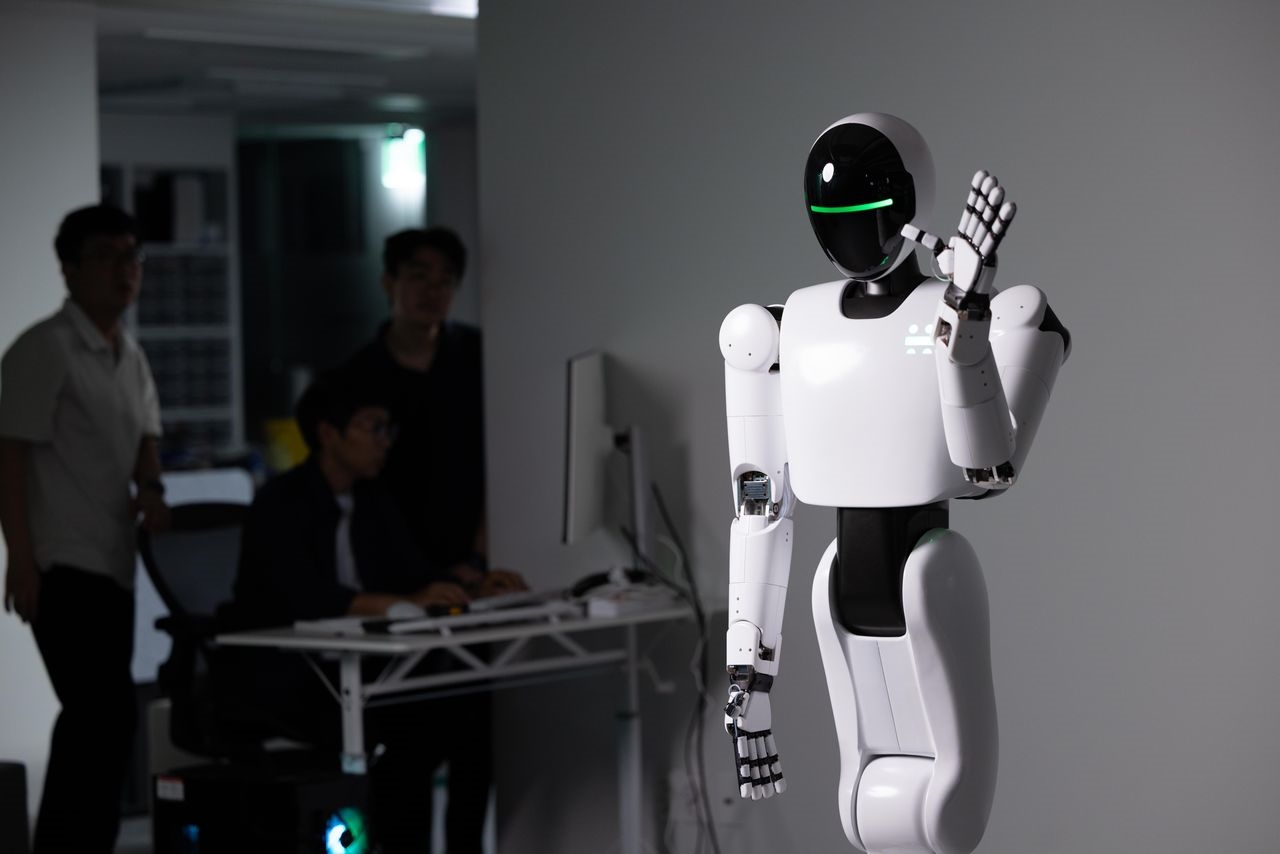
South Korean startup funding is surging, driven by massive deals in AI and robotics. Holiday Robotics just secured 155 billion KRW, the largest Series A in the country's history. Meanwhile, the government is pouring 3.46 trillion KRW into deep tech like quantum and fusion, while venture firms are pushing for IPO market reforms to ease dual-listing regulations.
Today's Investment Deals
Holiday Robotics — 155 Billion KRW, Series A
- Sector: Humanoid robot development and commercialization
- Investors: Undisclosed (largest Series A round in South Korea)
- Significance: Marks the largest Series A investment in Korean startup history, highlighting the concentration of domestic VC capital in robotics and AI. It signals a shift toward the commercialization phase for humanoids.
Argos Identity — $3 Million, Pre-Series A
- Sector: Identity and security solutions
- Investors: Undisclosed
- Significance: A local security and identity tech startup has secured international funding, laying the groundwork for global expansion.
Ecosystem & Policy Trends
Korean Government Plans 3.46 Trillion KRW Deep Tech Investment
The South Korean government has decided to invest 3.46 trillion KRW in 2026 across deep tech fields including quantum computing, fusion energy, and AI. However, analysis by Seoulz indicates that the number of recipient companies is highly restricted to just 78, leaving barriers to entry high for new startups. While government-led funding is significant, critics note that improvements are needed in terms of diversity across the broader ecosystem.

Venture Industry Proposes Easing Dual-Listing Regulations
The Korean venture and VC industry has requested that the Financial Services Commission (FSC) ease dual-listing regulations. By calling for the creation of a separate KOSDAQ screening track and an exemption from the 3% rule, they are pushing for the revitalization of the IPO market, aiming to normalize market conditions amid a persistent slump.
KED Global: VC Capital Concentrating on AI & Robotics
According to reports from KED Global, South Korean venture capital is heavily concentrating its largest investments into AI and robotics startups. The industry is moving away from past patterns focused on platform businesses and is restructuring its portfolios toward high-tech enterprises.

Global Perspective
- Korean GDP Growth Forecast Upgraded: The South Korean government has raised its 2026 economic growth forecast from 2% to 3%, citing the semiconductor super-cycle as a primary factor. This suggests that increased demand for memory chips and expanded domestic fab investments will have a positive impact on the economy, likely improving capital liquidity for the startup ecosystem.
Sector Temperature Check
| Sector | Activity Level | Key Trends |
|---|---|---|
| AI/Deep Tech | 🔥🟢 | 3.46 trillion KRW gov investment, concentration on mega-deals like Holiday Robotics |
| Robotics | 🔥🟢 | Entering humanoid commercialization phase, influx of international capital |
| Bio/Healthcare | 🟡 | Global funding recovering, but lack of capital for small local startups |
| Fintech/SaaS | 🟡 | Mega-deal focused funding patterns; decline in mid-to-small rounds |
Trends & Insights
-
Concentration on Mega-deals: While South Korean startup funding surged 204.7% (H1 2026: 7.8 trillion KRW), capital is being funneled into massive rounds of 155 billion KRW+, deepening a "dual structure" where Series A/B funding for smaller startups is becoming relatively more difficult.
-
Pros and Cons of Deep Tech Investment: The government’s 3.46 trillion KRW investment shows a strong intent to bolster quantum, fusion, and AI sectors, but the limited scope of only 78 supported companies means entry barriers remain high for emerging startups.
-
Need for IPO Market Normalization: With the local IPO slump continuing, requests from the venture industry for regulatory relief are rising. Failure to address this could increase funding pressures for companies currently revising their plans for next year's public listings.
What to Watch Tomorrow
-
FSC Dual-Listing Regulatory Timeline: Monitor for the Financial Services Commission's policy response to requests from the venture industry.
-
Impact of Semiconductor Supply Trends on Startup Funding: Check if the government’s growth forecast upgrade (3%) serves as a positive signal for new VC fund creation and LP capital inflows.
-
Follow-up Mega-deals in Robotics/AI: Watch for announcements of additional large-scale funding in AI and robotics following the Holiday Robotics investment.
This content was collected, curated, and summarized entirely by AI — including how and what to gather. It may contain inaccuracies. Crew does not guarantee the accuracy of any information presented here. Always verify facts on your own before acting on them. Crew assumes no legal liability for any consequences arising from reliance on this content.
Powered by
