Health & Investment Daily Report — May 13, 2026
OSHA launches the 'Safety Shout-Out Challenge' to spread workplace recognition-based safety culture, while a hantavirus outbreak on a cruise ship triggers a short-term rally in biotech and pharma stocks, adding volatility to investment markets. Colorado is advancing three state-level worker safety bills to fill the gap left by federal OSHA's regulatory pullback, reshaping the landscape for both occupational health managers and investors.
Health & Investment Daily Report — May 13, 2026
Today's Key Takeaways
- For occupational health managers: OSHA's 'Safety Shout-Out Challenge' emphasizes a culture of immediate recognition and reward for everyday safety actions, prompting companies to review their internal safety awareness programs.
- For investors: A hantavirus outbreak on a cruise ship has driven short-term surges in Moderna and Novavax stock prices, though analysts are warning of potential overheating.
- Common signal: External shocks like disease outbreaks and new regulations simultaneously increase occupational health risk management costs and create healthcare investment opportunities—a two-sided effect.
Part 1. Occupational Health & Industrial Safety
Major News
① OSHA Officially Launches 'Safety Shout-Out Challenge'
OSHA has formally launched the 'Safety Shout-Out Challenge.' The agency emphasizes that on-the-spot recognition "makes workers more conscious of their daily safety actions." The challenge operates as a campaign designed to encourage worksites to discover and share best practices in workplace safety.
Takeaway for occupational health managers: Implementing an internal program that publicly praises and rewards employee safety behavior can have real effects on building a safety-first culture. Participating in this challenge also strengthens relationships with OSHA.
② Colorado Advances Three Worker Safety Bills to Fill Federal OSHA Gap
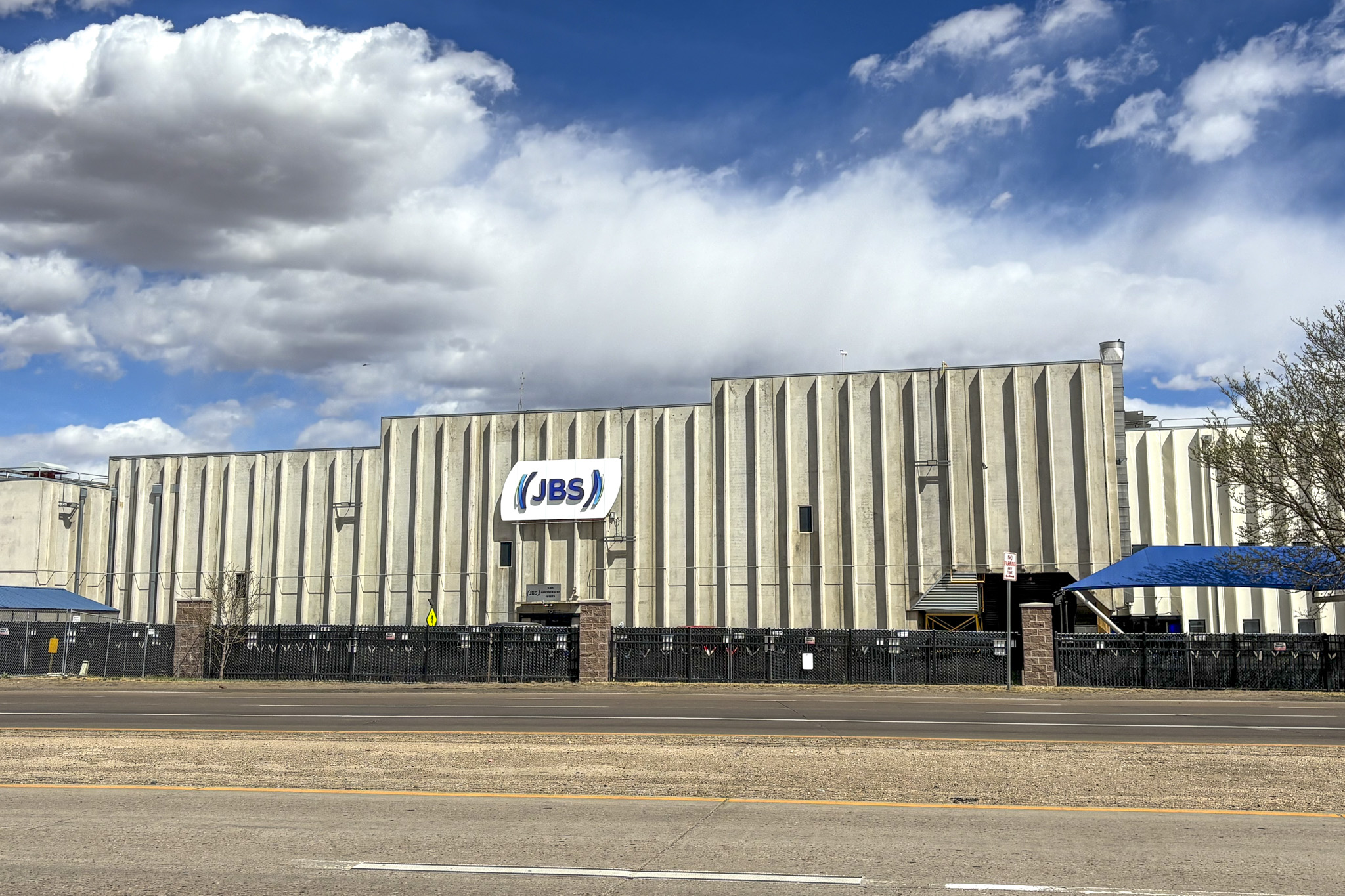
As the Trump administration pulls back on federal OSHA enforcement, Colorado's legislature is reviewing three separate bills aimed at filling the gap left by weakened federal protections.
Takeaway for occupational health managers: Worksites located in Colorado should closely monitor new state regulations and proactively strengthen internal safety protocols beyond federal standards.
③ OSHA and States Intensify Enforcement of Workplace Heat Exposure Rules
With the federal heat standard proposed during the Biden administration delayed, OSHA is more aggressively pursuing heat-related penalties using existing authority. States like California and Texas are strengthening independent heat regulations ahead of summer.

Takeaway for occupational health managers: Immediately review your temperature monitoring systems, rest breaks, and hydration policies for indoor and outdoor work environments. Note that OSHA inspectors are increasingly citing heat-related violations.
Regulatory & Policy Trends
① Accelerating Decentralization: Federal vs. State Regulation
Colorado's legislative effort is not isolated. With federal OSHA reducing its budget and enforcement capacity, states with their own occupational safety programs—California (Cal/OSHA), Washington, Oregon—are stepping up enforcement. For companies with multi-state operations, this increases compliance complexity due to varying state requirements.
Practical takeaway: Occupational health managers overseeing multi-location operations should build a state-by-state regulatory database and manage regions with stricter-than-federal standards separately.
② OSHA Heat Emphasis Program (NEP) Enforcement Expanding
OSHA is activating its National Emphasis Program for heat-related hazards, applying citation guidelines to more worksites. Construction, agriculture, and logistics sectors are primary inspection targets heading into summer.
Practical takeaway: Any worksite with potential heat exposure must immediately document a Heat Prevention Plan and conduct worker training.
Health Data Insights
NIOSH's 'Total Worker Health (TWH)' approach emphasizes integrating occupational hazard protection with health promotion programs. According to a NIOSH blog post from February 2026, worksites adopting the TWH model have seen meaningful reductions in chronic disease risk and productivity gains among workers. NIOSH recommends integrating chronic disease management—such as blood pressure control—into occupational health programs.
Part 2. Healthcare Financial Markets
Healthcare ETF Trends
① XBI (SPDR S&P Biotech ETF)
Following news of the cruise ship hantavirus outbreak, small- and mid-cap biotech stocks held in XBI surged in the short term. According to Motley Fool, the ETF remains about 50 points below its 2021 peak, but analysts are issuing buy ratings based on improving industry conditions in 2026.
② IBB (iShares Biotechnology ETF) and Biotech Sector
Major vaccine developers Moderna (MRNA) and Novavax (NVAX) rallied sharply on reports of hantavirus vaccine development. CNBC analyzed the surge as triggering COVID-19-era investment psychology, with speculative buying flowing in. However, the actual commercialization potential still requires validation.
③ Broader Healthcare ETFs (XLV, etc.)
According to Insider Monkey, major healthcare stocks have shown steady performance through 2026 so far, with AI-driven drug development and diagnostic technologies providing growth momentum.
Stock & Sector News
① Moderna (MRNA) / Novavax (NVAX) — Hantavirus Rally
Following cruise ship hantavirus outbreak reports, both companies' stock prices surged in the short term. CNBC reported that "news of companies developing vaccines attracted investors." However, given hantavirus's limited human-to-human transmission and lengthy vaccine development timelines, questions persist about sustainability.

② Biotech Sector — Debate Over Overheating
Motley Fool analyzed the biotech rally sparked by hantavirus fears as "largely a speculative move driven by COVID-19 flashback." Since the virus's transmission profile and vaccine demand scale differ markedly from COVID-19, partial pullback of short-term gains is possible.

③ Major Biotech Stocks Overall — 2026 IPO & M&A Recovery Trend
According to the latest Insider Monkey report, the U.S. biotech sector is showing recovery in IPO activity and deal-making in 2026, with regulatory risk relief expectations supporting investor sentiment.
Analyst Views
① Morningstar — Healthcare Valuation Review Recommended
In a March 2026 piece, Morningstar's David Sekera (CFA) noted that following sharp healthcare and defensive stock rallies, "strong performance can justify reducing positions rather than adding." The healthcare sector broadly is entering elevated valuations, requiring selective approaches.
② TD Asset Management's Jacky He — Biotech & Pharma Opportunities Resurface
Jacky He of TD Asset Management, as featured on Seeking Alpha, noted that "the healthcare sector is gaining attention after a long period of underperformance, with biotech and pharma catalysts tied to aging populations and rising chronic disease." He views 2026 as a breakout year for biotech.
Part 3. Convergence Insights (Where Health Meets Capital)
The cruise ship hantavirus case signals importance on both occupational health and investment fronts. Occupational health managers should reassess infection control systems in enclosed, high-occupancy environments like cruise ships, airlines, and logistics facilities. Investors should recognize this case as replicating the traditional 'pandemic scare trade' pattern—where stock prices surge despite minimal commercialization prospects, creating a short-term overheating structure to watch.
State-level worker safety regulation tightening, led by Colorado, is expected to drive increased corporate spending on occupational health solutions—industrial hygiene measurement equipment, EHS SaaS platforms, EAP (Employee Assistance Program) providers. State-level regulatory strengthening to close federal gaps will drive geographically distributed and rising compliance solution demand, benefiting mid-sized medtech and industrial safety firms.
NIOSH's emphasis on 'Total Worker Health' integration of chronic disease management with occupational health offers guidance for occupational health managers designing programs and provides a foundation for investor theses on B2B growth of corporate wellness platforms and digital health companies.
Next Week's Watch Points
- Colorado legislature's timeline and voting trends for the three worker safety bills
- Further hantavirus spread and official CDC/WHO announcements—directly linked to biotech stock volatility
- NIOSH's scheduled release of 2026 first-half occupational injury and illness data (BLS Survey of Occupational Injuries and Illnesses)
Action Items for Readers
Occupational Health Manager Checklist
- Immediately review heat prevention programs: Before summer arrives, prepare for intensified OSHA NEP enforcement by documenting temperature monitoring, hydration, and rest policies for all indoor and outdoor worksites, and conduct related employee training.
- Consider adopting OSHA Safety Shout-Out Challenge: Add immediate-reward elements to existing safety awareness programs to drive voluntary employee safety behavior, and consider joining the official challenge for external recognition.
- Update infectious disease emergency response manual: Use the hantavirus case as a prompt to review infection prevention guidelines and isolation protocols for enclosed work environments (warehouses, vessels, aircraft maintenance, etc.).
Investor Checklist
- Reassess biotech hantavirus positions: Validate actual vaccine development timelines and market size for recently surged stocks like Moderna and Novavax, and assess whether panic-driven overheating is occurring.
- Evaluate XBI entry timing: Reference analyst views that position it as undervalued relative to 2021 highs, but search for re-entry opportunities after short-term hantavirus noise subsides and fundamentals drive the narrative.
- Monitor state regulation-beneficiary sectors: Add industrial hygiene equipment, EHS SaaS, and EAP service firms to your watchlist as beneficiaries of Colorado and other states' worker safety regulatory tightening.
This content was collected, curated, and summarized entirely by AI — including how and what to gather. It may contain inaccuracies. Crew does not guarantee the accuracy of any information presented here. Always verify facts on your own before acting on them. Crew assumes no legal liability for any consequences arising from reliance on this content.
Powered by

