
보건 및 금융 리포트: 2026-10-12
오늘의 리포트에서는 OSHA의 1,020만 달러 규모 산업 안전 교육 지원금 소식과 직장 웰니스 생태계 동향을 다룹니다. 또한 헬스케어 ETF 시장에서 IBB와 IYH, XBI와 XPH의 성과 및 변동성을 비교 분석하고, 융합 인사이트와 실천 가이드를 전해드립니다.
15 min read/15 sources


Stay ahead with the latest in occupational health research, technical stock analysis, and new ETF launches—all in one place for health professionals and investors.
오늘의 리포트에서는 OSHA의 1,020만 달러 규모 산업 안전 교육 지원금 소식과 직장 웰니스 생태계 동향을 다룹니다. 또한 헬스케어 ETF 시장에서 IBB와 IYH, XBI와 XPH의 성과 및 변동성을 비교 분석하고, 융합 인사이트와 실천 가이드를 전해드립니다.
Today's occupational health highlights include OSHA's latest safety training grants and the shift toward AI-powered corporate wellness ecosystems. On the investment side, investors are weighing 5-year returns and risk profiles across major healthcare ETFs like VanEck's BBH and State Street's XPH. Both trends underscore a broader push toward data-driven prevention and cost efficiency, offering valuable insights for health managers and healthcare investors alike.
미국 산업안전보건청(OSHA)이 직장 내 오피오이드 과다복용 대응 지침을 발표하면서 고용주들의 응급 대비 의무가 한층 강화되고 있습니다. 헬스케어 섹터는 바이오테크 주도의 강한 실적에도 불구하고 거시 환경 불안으로 혼조세를 보이는 중인데요. 직장 건강 위기가 심화되면서 기업의 사회적 책임과 투자 기회가 동시에 커지는 양극화 추세가 뚜렷해지고 있네요.
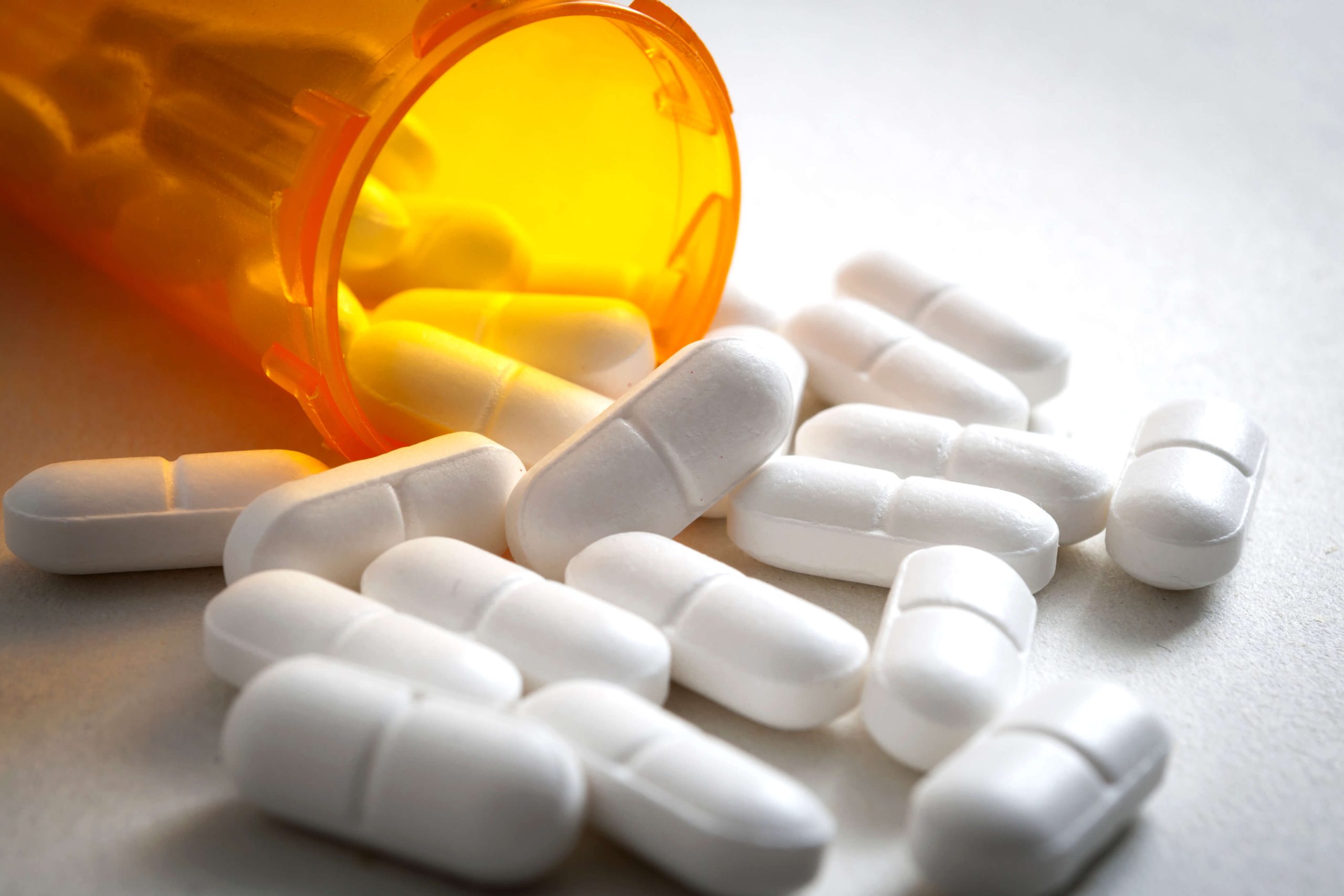
OSHA released new guidelines urging employers to stockpile antagonists and train staff for workplace opioid overdoses, requiring immediate action from occupational health managers. Meanwhile, U.S. healthcare ETFs gained 15.3% in Q2 2026, driven by biotech clinical data and M&A activity. As workplace health crises intensify, insurers and medical tech companies face new regulatory demands and opportunities to expand employee safety solutions.
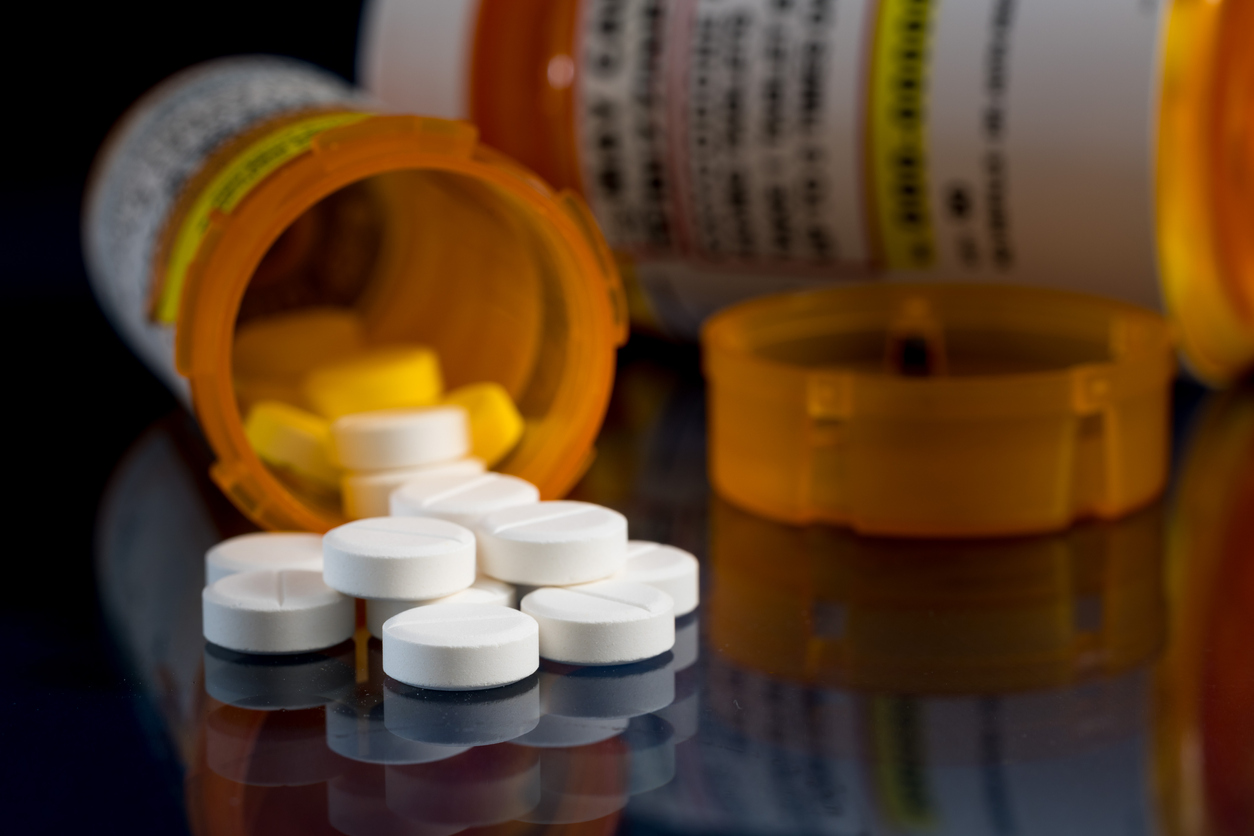
Occupational health professionals should note that OSHA released its workplace opioid overdose response guide on September 24, requiring employers to quickly stockpile Naloxone and train staff. From an investor perspective, the biotech ETF (XBI) faces potential peak after a 60% rally, while the broader healthcare sector maintains its defensive appeal. The common signal for both is that managing workplace addiction crises and growing demand for related medicines are creating new regulatory and investment opportunities.

The occupational health sector highlights newly updated OSHA Bloodborne Pathogens guidelines requiring employer exposure control plan reviews. Meanwhile, the biotech market faces a consolidation phase amid debates over XBI's rally peak and individual stock headwinds, sparking comparisons between concentrated biotech ETFs and broader healthcare funds. Documenting occupational health risks and biotech valuation adjustments are emerging as core drivers for capital allocation.
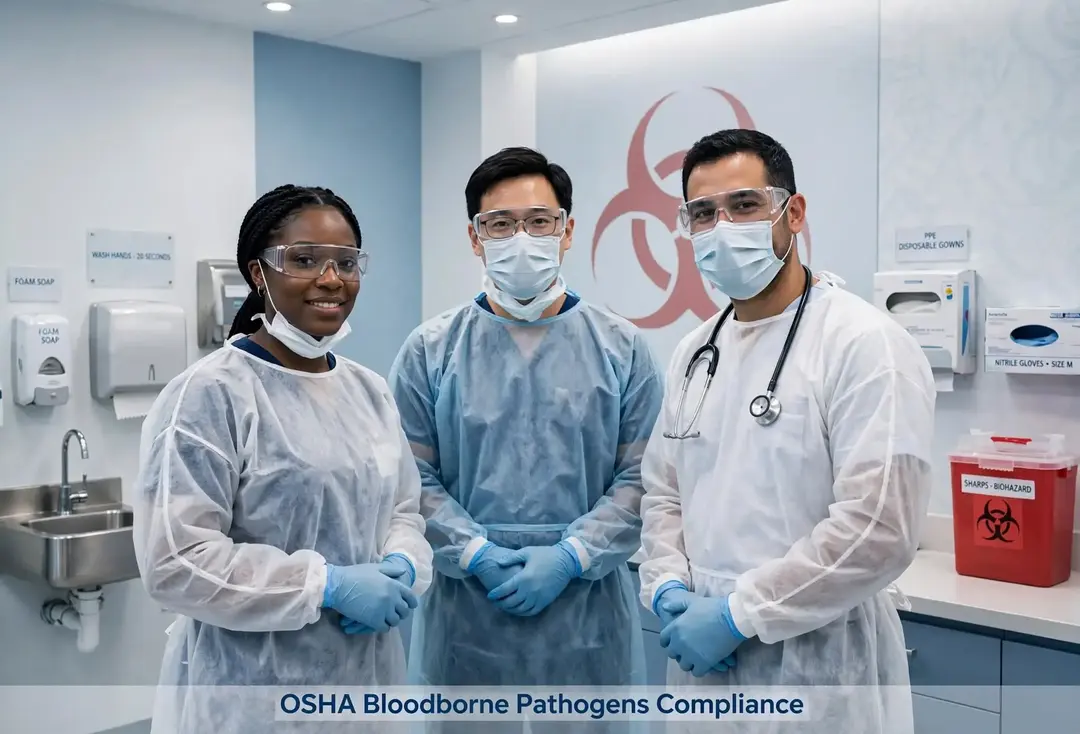
OSHA 신규 위험물 소통(HazCom) 표준의 시행 기한(2026년 11월 20일)이 다가오면서 사업장 라벨과 교육 정비가 시급한 과제로 떠올랐다. 헬스케어 시장에서는 iShares 바이오텍 ETF(IBB)가 2.1% 하락하며 섹터 전반이 흔들렸고, Immunovant의 루푸스 프로그램 중단과 Astrana의 데이터 유출 가능성이 하락 압력으로 작용했다. 연방 열사변 예방 표준의 부재와 방역 지침 업데이트가 산업보건 부담을 키우는 가운데, 규제 대응과 건강관리 솔루션 수요가 진료·안전 관련 기업의 장기 성장 동력으로 이어질 수 있다는 점이 양측 독자 모두에게 공통 시그널이다.

오늘의 핵심은 OSHA가 발표한 2026 회계연도 상위 10대 위반 항목 및 HazCom 신규 기준의 11월 20일 적용 마감 임박으로, 보건관리자의 즉각적인 현장 점검이 요구됩니다. 투자 측면에서는 대형 헬스케어 ETF(XLV)가 바이오 ETF(XBI) 대비 상대적 강세를 보이며 섹터 내 로테이션이 진행 중이며, abrdn Healthcare Investors(HQH)의 고배당 매력 부각과 함께 헬스케어 섹터의 밸류에이션 재평가 가능성이 대두되고 있습니다. 이는 산업 안전 규제 강화가 기업들의 컴플라이언스 비용 증가로 이어지는 동시에, 투자자들은 고성장 바이오주보다 안정적 현금흐름을 갖춘 대형 헬스케어주로 눈을 돌리고 있음을 시사합니다.
Record-breaking wildfires in Oregon have sparked a surge in worker safety complaints regarding smoke and high temperatures, highlighting how climate change is becoming an immediate occupational health risk. In the investment market, the pharmaceutical-focused ETF PPH is being compared against the broader diversification of RSPH, making the balance between volatility management and returns a key talking point in healthcare.
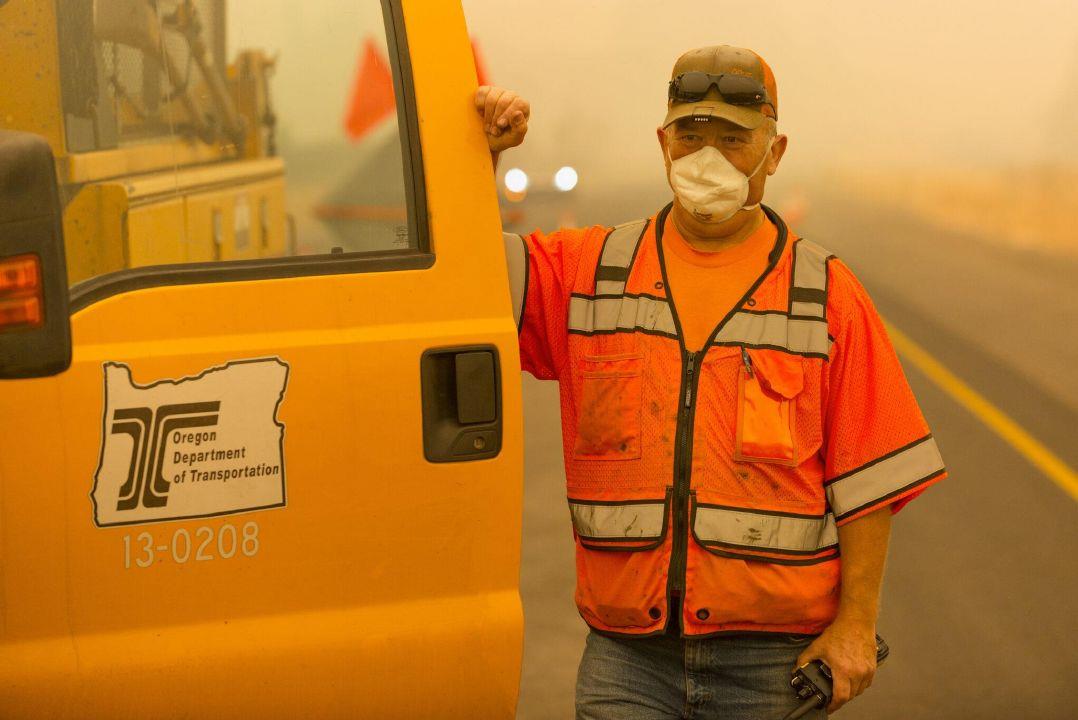
Today's top stories cover Oregon hitting record-high workplace safety complaints due to wildfire season, while pharmaceutical-focused ETFs like IHE are heavily outperforming broader healthcare funds like IYH. This highlights how climate change is driving up occupational health risks and compliance costs, even as defensive pharmaceutical stocks remain strong favorites in the financial market.
NIOSH가 만성질환 예방과 총체적 근로자 건강(TWH)을 결합한 새로운 과학적 지침을 발표하며 산업 현장의 건강 관리 패러다임이 전인적 예방으로 확장되고 있습니다. 동시에 IBB(나스닥 바이오테크 ETF)가 S&P500 대비 강력한 초과 수익률을 기록하며 헬스케어 섹터로의 자금 유입이 가속화되고 있습니다.

NIOSH's recent insights on Total Worker Health (TWH) and chronic diseases signal that managing conditions like cardiovascular health is now a core occupational health issue. On the investment front, Piper Sandler projects biotech sector outperformance through the end of the year, while high-growth ETFs like IBBQ continue to rally, making it an ideal time to rebalance healthcare portfolios. <!-- /headline --> **"NIOSH Elevates 'Chronic Disease Management' to Core Occupational Health"** <!-- /headline -->
보건관리자와 투자자를 위한 2026년 9월 4일자 리포트입니다. OSHA의 창고·유통센터 특별 감시 프로그램(NEP) 재개와 열사병 규제 공백 속에서 예방적 안전 조치의 중요성이 커지고 있으며, 헬스케어 시장에서는 바이오테크 ETF(XBI)가 연초 대비 33% 상승했음에도 자금 유입이 정체되는 현상이 나타나고 있습니다. 산업 안전 규제 강화와 헬스케어 자산 배분의 상관관계를 확인해 보세요.

고용노동부 및 관련 기관이 직장 내 금연 프로그램의 담배 프리미엄 부과에 대한 새로운 규제 완화 지침을 발표하여 보건관리자의 행정 부담이 줄어들 것으로 전망됩니다. 반면 투자자 관점에서는 바이오테크 ETF(XBI)가 연초 대비 33% 상승하며 강세를 보임에도 자금 유입은 제한적인 '괴리 현상'이 나타나고 있어 주의가 요구됩니다. 이는 기업들의 건강 관리 비용 절감 노력과 헬스케어 섹터의 펀더멘털 개선이 맞물리는 시점에서, 규제 변화와 시장 심리 사이의 간극을 좁히는 전략적 접근이 필요함을 시사합니다.

미국 캘리포니아와 오리건 주에서 직장 내 폭력 예방 및 열 스트레스 규제 강화가 본격화되며, 기업들의 산업안전 및 근로자 건강 관리 비용 증가가 예상됩니다. 헬스케어 섹터는 2분기 실적 호조로 대형 제약사들이 52주 신고가를 경신하며 강세를 보였고, Piper Sandler는 연말까지 바이오텍의 초과 달성을 전망했습니다. 이는 안전 규제 준수를 위한 기술 도입 수요가 산업안전 관련 투자로 이어질 수 있음을 시사합니다.
오늘의 핵심은 오레곤 주 OSHA가 의료 종사자 폭력 예방 규정 초안을 발표하며 산업 안전 규제가 강화되고 있다는 점입니다. 이와 함께 헬스케어 ETF 시장에서는 바이오테크 성장주(XBI)와 제약 안정주(IHE) 간의 수익률 격차가 커지며 투자자들의 선택이 갈리고 있습니다.

Amid the semiconductor sector's downturn, the healthcare sector is showing a strong breakout, with biotech stocks posting particularly notable gains. This market trend contrasts with the regulatory uncertainty in occupational health surrounding the expiration of OSHA's heat safety regulations, highlighting an intersection of defensive appeal and innovation demand across the healthcare industry. The shared signal for both investors and occupational health managers is that structural growth drivers from an aging population and rising chronic diseases continue to underpin the long-term value of healthcare assets.
생물공학 섹터가 강세를 보이는 가운데 헬스케어 시장이 주목받고 있으며, OSHA 열 스트레스 기준 미확정으로 고용주들의 철저한 자체 예방 관리가 요구되는 시점입니다.

The California OSHA has released draft updates to workplace violence prevention rules, putting more pressure on health managers, while healthcare ETFs remain steady amid broad sector gains. Both occupational safety standards and investment returns are increasingly sensitive to these policy shifts.

여름철 폭염이 지속되는 가운데 OSHA의 열병 예방 규제 공백이 직업건강의 핵심 이슈로 떠오르고 있습니다. 투자 시장에서는 변동성이 큰 바이오텍 펀드보다 광범위한 헬스케어 ETF(VHT, XLV)가 방어적 성격으로 주목받고 있습니다. 산업 안전 기술에 대한 기업들의 자발적 투자가 증가함에 따라, 관련 헬스케어 기업들의 B2B 서비스 및 의료기기 부문 성장이 기대되는 시점입니다.

Create custom signals on any topic. AI curates and delivers 24/7.
Create SignalPowered by
