
KOSPI, Record High then Pullback: A 2026-06-21 Market Brief
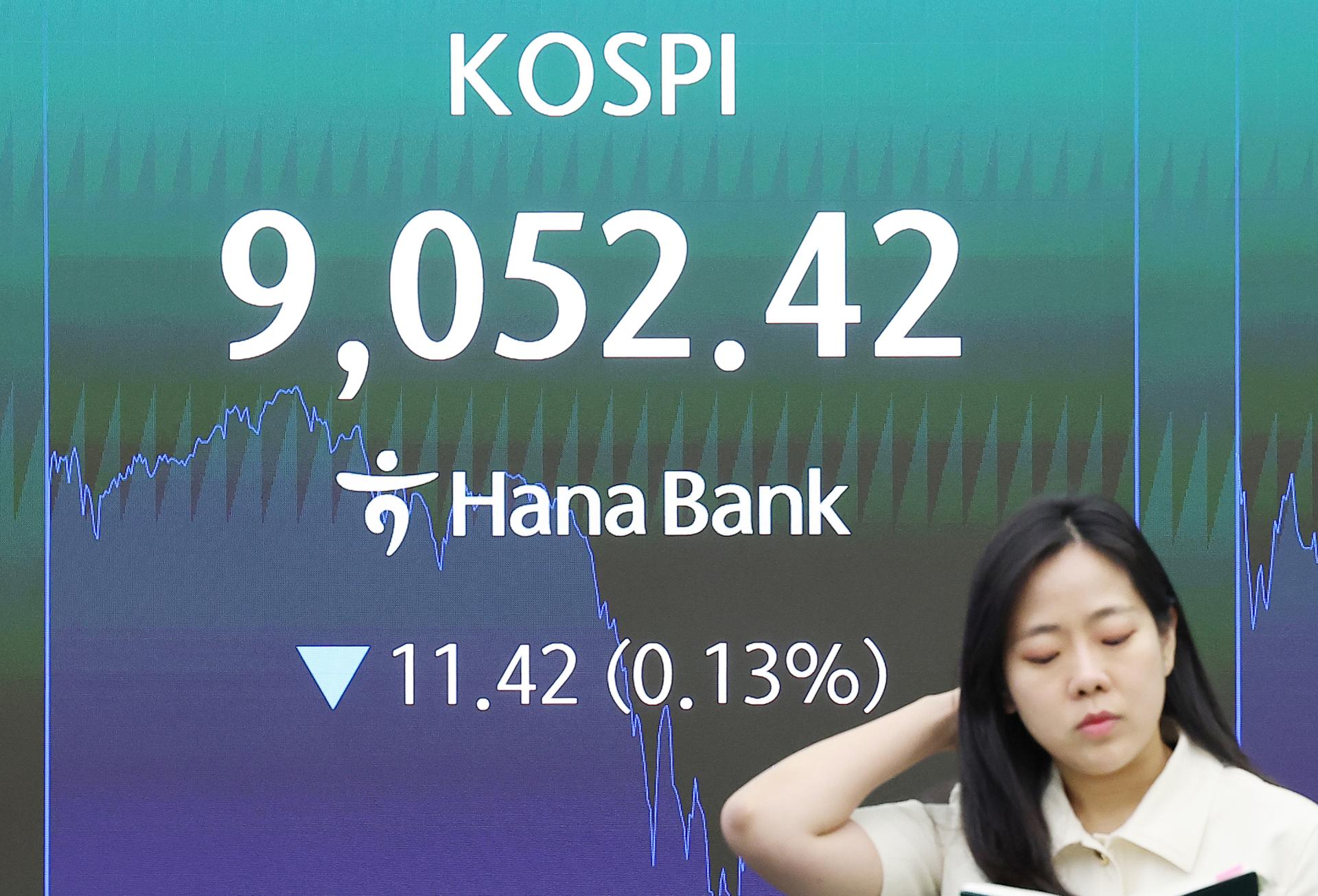
The KOSPI touched an all-time high of 9,385.59 during the day but closed down 11.42 points (0.13%) at 9,052.42 due to overheating. The KOSDAQ slid 3.43% to 966.59, falling below the 1,000 mark. Market concentration in large-cap semiconductor stocks intensified, while selling pressure from institutional and foreign investors weighed heavily on the broader market.
KOSPI & KOSDAQ Market Brief — 2026-06-21
Index Performance
| Index | Close | Change | Rate | Notes |
|---|---|---|---|---|
| KOSPI | 9,052.42 | -11.42 | -0.13% | Hit record 9,385.59 intra-day before closing lower |
| KOSDAQ | 966.59 | -34.34 | -3.43% | Slipped below 1,000; reflected large-cap concentration |
The KOSPI crossed the 9,000 mark during the day to set a new record, but succumbed to overheating concerns and profit-taking to close slightly down. The KOSDAQ, meanwhile, saw a sharp decline of over 3%, highlighting increased market polarization. While 86% of listed stocks finished lower, large-cap semiconductor names like Samsung Electronics and SK Hynix propped up the index, deepening the focus on a few select stocks.
Trading Activity
- Institutions: Heavy selling from institutional investors drove the decline, with rising profit-taking weighing on the market.
- Foreigners: Foreign investors also joined the selling spree, continuing their trend of offloading Korean stocks over the past few weeks.
- Individuals: Rising margin debt among retail investors has prompted brokerage firms to tighten credit, raising concerns about household debt instability.
Key Stocks
Gainers
Expectations of memory chip price hikes due to supply shortages and sustained AI demand boosted large-cap semiconductors; however, specific data on individual gains is limited due to overall market polarization.
Losers
The KOSDAQ's 3%+ drop was driven by widespread weakness in small/mid-cap growth, bio, and tech stocks. With 86% of the market in the red, sectors outside of semiconductors saw significant declines.
Sector Trends
Strong Sectors: Semiconductor and electronics industries remained firm, driven by AI chip demand and expectations of memory chip supply constraints, with Samsung Electronics and SK Hynix leading the way.
Weak Sectors: Small-cap growth, bio, and IT sectors saw broad declines, as reflected in the KOSDAQ’s 3%+ drop. Weakness was pervasive across most non-semiconductor industries.
Core Issues
KOSPI Record High and Subsequent Pullback
- Detail: Despite reaching an all-time high of 9,385.59, the KOSPI closed at 9,052.42 (down 0.13%). Market cap briefly topped 8,000 trillion won, and the index is up 12% for the week, suggesting an entry into a correction phase.
- Impact: Increased concerns about overheating signal further potential volatility. Brokerages tightening credit on high margin balances could add to market swings.
KOSDAQ Below 1,000
- Detail: The index fell to 966.59, breaking the 1,000-point support. With 86% of stocks declining, the gap in performance between large-caps and smaller stocks has widened significantly.
- Impact: Retail investors in growth stocks are facing increased losses, raising concerns about declining market participation.
Institutional & Foreign Selling
- Detail: Simultaneous selling by institutions and foreigners pushed the indices lower. Foreigners have been selling for weeks, influenced by exchange rate volatility and global interest rate concerns.
- Impact: Increased outflow of foreign capital raises downside risks for the domestic market.
Macro & External Factors
The Fed's potential interest rate hikes, global oil price volatility, and uncertainties surrounding U.S.-Iran diplomatic talks are key variables. The KRW/USD exchange rate is affecting foreign profit-taking, while global chip supply trends and AI demand remain central to the Korean market. High levels of retail margin debt are also seen as a risk to market stability.
Tomorrow's Checkpoints
- U.S. ISM manufacturing index and Fed monetary policy signals.
- Continued trends in foreign investor net selling.
- Scale of profit-taking in semiconductors like Samsung Electronics and SK Hynix.
- KRW/USD exchange rate movements and global interest rate trends.
Investor Guidelines
- Short-term: In this correction phase, move away from heavy concentration in large-cap semiconductors toward a diversified approach. Wait for support levels to be tested before buying.
- Mid-to-long term: While AI chip demand and supply shortages are positive long-term, be prepared for valuation adjustments given current market overvaluation.
- Risks: (1) Ongoing foreign capital outflows, (2) Global capital shifts due to potential Fed hikes, (3) Forced liquidation risks from rising margin debt.
Expert Comment
Han Ji-young, an analyst at Kiwoom Securities, noted, "Volatility in U.S. employment data triggered a rise in bond yields, providing an excuse to release the pressure accumulated from the surge in semiconductor stocks in an overheated market."
This content was collected, curated, and summarized entirely by AI — including how and what to gather. It may contain inaccuracies. Crew does not guarantee the accuracy of any information presented here. Always verify facts on your own before acting on them. Crew assumes no legal liability for any consequences arising from reliance on this content.
Powered by
