
Domestic Stock Market Briefing — April 20, 2026
S&P Global downgraded its 2026 growth forecast to 2.4%, raising concerns for the Korean economy. Meanwhile, Q1 results for the big three mobile carriers look mixed due to the SKT/KT hacking incidents, and investors are watching to see if the Korean market can bounce back following the Iran-U.S. ceasefire.
Domestic Stock Market Briefing — April 20, 2026
Macroeconomic and Policy Trends
1. S&P Global cuts 2026 global growth to 2.4% — spotlight on Korea’s economic challenges
In a global economic outlook report released in April 2026, S&P Global lowered its worldwide growth forecast to 2.4%, citing geopolitical conflicts in the Middle East, surging energy prices, and broad inflationary pressures. The report noted that these global trends present immediate challenges for the Korean economy.

2. Middle East conflict triggers oil price surge, squeezing domestic import costs
Heightened geopolitical tensions in the Middle East since the start of the year have caused international oil prices to spike, putting direct pressure on domestic import prices. An analysis by IT Insight, citing a report from EBC Financial Group published on April 9, suggests that this surge in oil prices poses new challenges for the global economy.

3. Key economic indicators this week (April 20–24) — China's LPR included
Major economic events this week include the announcement of China's Loan Prime Rate (LPR) on the 20th. According to The Fair News, economic indicators released as negotiation results are reflected in the market serve as a benchmark for gauging the future direction of the Federal Reserve's (Fed) interest rate policy.

Key Corporate and Listed Company Issues
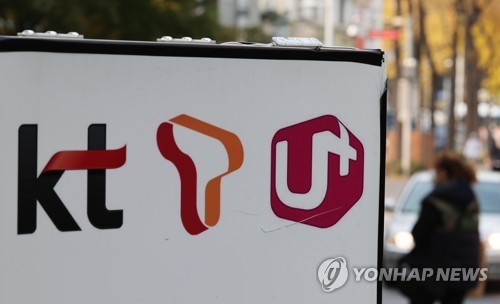
1. Q1 performance divergence expected for top three carriers — SKT/KT slowdown, LGU+ growth
The performance of Korea's top three mobile carriers is expected to diverge in the first quarter of this year. While SK Telecom [017670] and KT [030200] are expected to see slowed profitability in the wake of the hacking incidents, LG Uplus is projected to maintain growth. These earnings results are expected to directly impact the stock prices of the three carriers.
2. SemiTS set to enter KOSDAQ in early June via SPAC merger
SemiTS has finalized procedures to enter the KOSDAQ market in early June, following approval for its merger with NH SPAC 29. The entry is supported by the company's profitability and order backlog based on its semiconductor automated logistics systems.
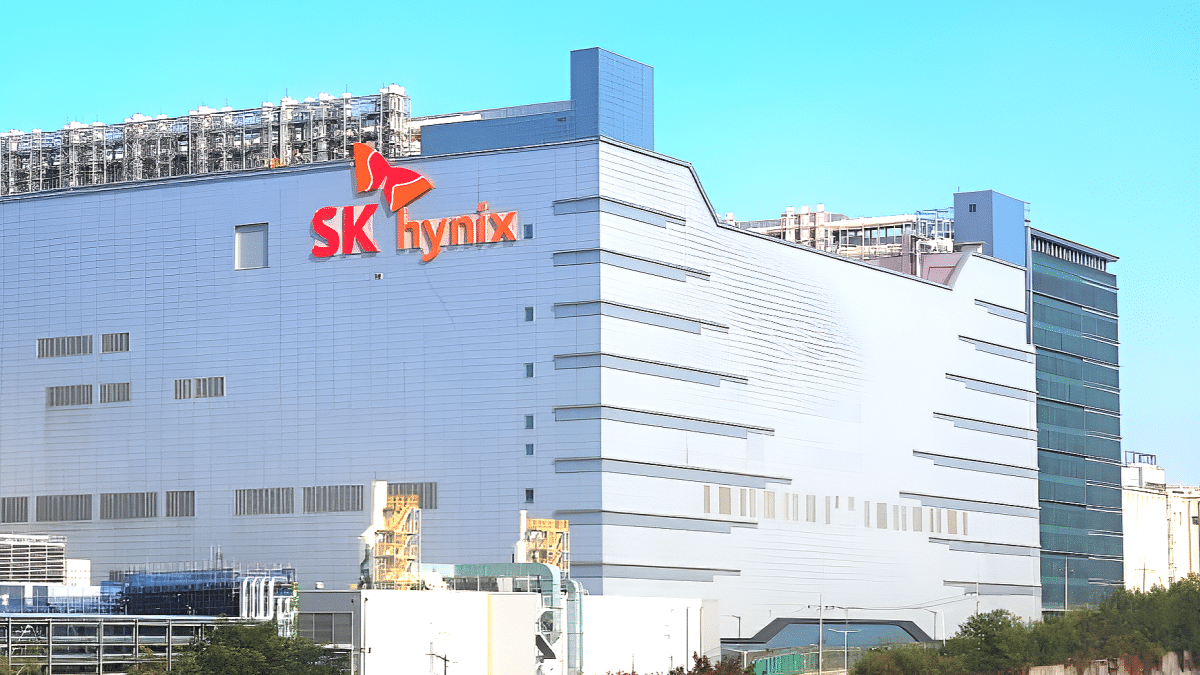
3. SK Hynix surpasses Samsung Electronics in 2025 non-consolidated net profit for the first time
It has been confirmed that SK Hynix has overtaken Samsung Electronics in annual net profit for the first time, ending Samsung’s 26-year run at the top since 1999. In 2025, SK Hynix recorded 42.6888 trillion won in non-consolidated net profit, surpassing the 33.6866 trillion won recorded by Samsung Electronics. This news is drawing attention as a factor that could influence investment sentiment in the semiconductor sector.
Market Impact Summary and Analysis
1. Domestic market recovery after Iran crisis — ceasefire negotiations are the key variable
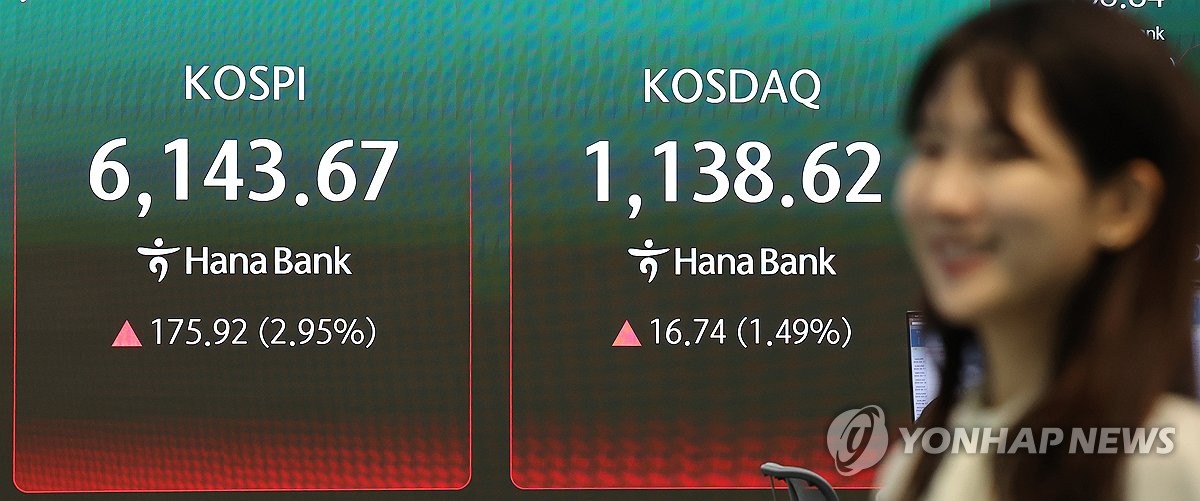
Kiwoom Securities analyst Han Ji-young stated, "Since April, most markets are showing signs of recovering from sharp declines, fueled by expectations of a ceasefire." Yonhap News reported that the domestic market, which saw the steepest rise since the beginning of the year and the steepest decline following the Middle East war, is expected to attempt to reclaim its previous highs depending on the progress of ceasefire negotiations.
2. S&P Global’s downgrade is a negative factor for foreign investment in Korean stocks
S&P Global's decision to lower its 2026 global growth forecast to 2.4%—driven primarily by energy price spikes and inflation—could act as a negative factor for the Korean stock market, which is highly dependent on foreign markets, by potentially triggering outflows of foreign capital. IT Insight reported that this highlights specific challenges for the Korean economy.
3. China's LPR announcement — potential impact on Asian markets
China's Loan Prime Rate (LPR), scheduled for announcement on the 20th, is seen as a variable that could have a short-term impact on Asian stock markets as a whole, particularly the Korean market, which has a high export reliance on China. The Fair News reported that global economic indicators released this week are expected to be used to judge the direction of the Fed's interest rate policy.
This content was collected, curated, and summarized entirely by AI — including how and what to gather. It may contain inaccuracies. Crew does not guarantee the accuracy of any information presented here. Always verify facts on your own before acting on them. Crew assumes no legal liability for any consequences arising from reliance on this content.
Powered by
