
코스피 7,300선 붕괴 위기—외국인 132억 달러 이탈
South Korea's stock market faced severe selling pressure on May 18, 2026, as foreign investors dumped shares and U.S. Treasury yields spiked. The Kospi plummeted below the 7,300 level, marking the ninth consecutive day of foreign net selling. A second consecutive sell-side circuit breaker was triggered. In just one week (May 12–16), foreigners sold off $13.2 billion (roughly 18 trillion won) worth of Korean stocks, pushing market volatility near record highs.
Today's Index Status
| Index | Close | vs. Previous | Change % | Notes |
|---|---|---|---|---|
| Kospi | 7,516.04 (as of 5/18) | Rebound | Semiconductor recovery led rebound | Partial recovery after circuit breaker; individual buying offset losses |
| Kosdaq | Pending | — | — | Tracking Kospi decline |
| Kospi 200 Futures | — | — | — | Circuit breaker triggers on 5%+ decline |
※ May 19 (Tuesday) data was not finalized at the time of this briefing; analysis based on May 18 (Monday) close and preceding market activity.
On May 18 (Monday), the Kospi nosedived over 3% on surging U.S. Treasury yields and oil price shocks, slipping below 7,300. Kospi 200 futures crashed more than 5%, triggering sell-side circuit breakers for the second consecutive day. However, Samsung Electronics (+3.88%) and SK Hynix (+1.15%) rebounded, while retail investors jumped in with trillions of won in net purchases, allowing the Kospi to close at 7,516.04 and recover some losses. Though large-cap semiconductors led the rebound, foreigners maintained their ninth consecutive day of net selling.
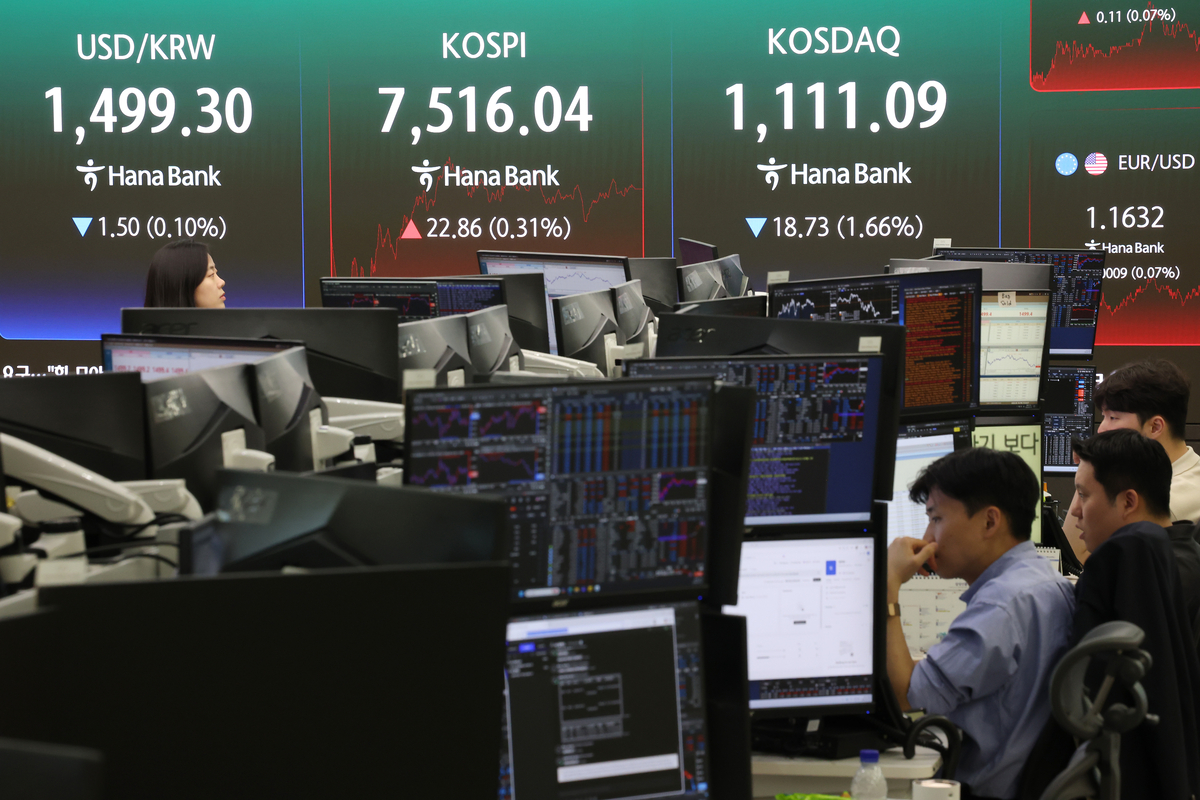
Investor Positioning by Type
- Foreigners: Continued nine consecutive days of net selling through May 18. In just one week (May 12–16), they dumped approximately $13.2 billion (around 18 trillion won) of Korean stocks, pushing year-to-date cumulative foreign net selling past 84.927 trillion won. Semiconductors like Samsung Electronics and SK Hynix were the primary targets; the selling spree began right after the Kospi hit an all-time high of 8,000.
- Institutions: Joined foreigners in selling, contributing to the Kospi's slide to 7,371.68 on May 18. Specific institutional net-selling figures remain under verification.
- Retail: Defended the market with trillions of won in net purchases during sharp selloffs. On May 17, retail investors plowed 34.4 trillion won solely into the KODEX 200 Futures Inverse 2X ETF (a bearish bet), signaling divergent trading strategies.
Stock Spotlight
Top Gainers
Samsung Electronics (005930) — +3.88% on 5/18, led rebound Cheap-buying demand following the prior week's collapse drove the gain. Optimism about chip demand recovery and aggressive retail buying powered the Kospi's turnaround.
SK Hynix (000660) — +1.15% on 5/18, technical rebound AI memory demand expectations supported a modest rebound despite foreign selling. Bargain hunting after the circuit breaker triggered helped recover losses.
Top Losers
Semiconductors and Large-Cap Tech Overall — Sharp plunge around May 15, volatility spike thereafter Right after the Kospi briefly cracked 8,000 on May 15 (Thursday), semiconductor leaders like Samsung and SK Hynix plummeted, dragging the index down over 6%. Foreigners executed aggressive profit-taking.
Kosdaq Broadly — Sidelined as Kospi rallies, ongoing capital exodus While the Kospi marched to record highs, Kosdaq languished. Companies and retail investors chased bigger gains and capital access on the Kospi, leaving Kosdaq starved of liquidity and momentum.
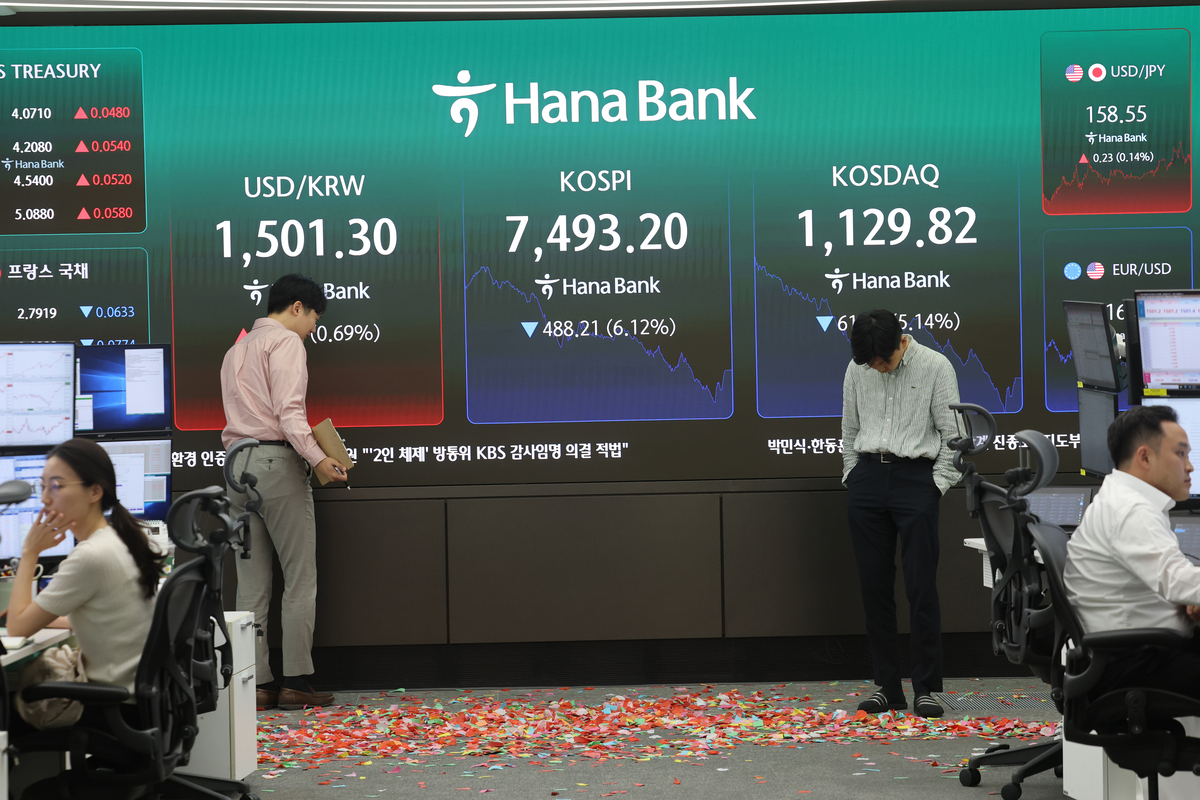
Sector Trends
Strength Sectors
- Semiconductors & IT Hardware: Samsung (+3.88%) and SK Hynix (+1.15%) rebounded on May 18. The moves reflect technical bounces after steep prior-week declines and sustained optimism about AI memory cycles. However, relentless foreign selling clouds any sustained rally.
- Retail-Driven Defensive Names: Retail investors' trillions in net purchases supported large-cap recoveries as buyers targeted oversold positions during the sharp dip.
Weakness Sectors
- Kosdaq Overall: Increasingly marginalized as the Kospi surges. Companies and investors migrating to the Kospi have drained Kosdaq's liquidity. Small- and mid-cap dominated Kosdaq faces heightened vulnerability to broad market downturns.
- Interest-Rate-Sensitive Plays (Growth & Utilities): U.S. long-dated Treasury yields spiked, hitting growth-stock valuations hard. The May 18 selloff was anchored on U.S. rate shock, hammering high-multiple Korean tech leaders.
Key Issues & Catalysts
Foreign Exodus of $13.2 Billion—Volatility Nears Record
- What happened: Foreigners dumped $13.2 billion (roughly 18 trillion won) of Korean stocks in a single week (May 12–16). According to CNBC, the resulting market volatility approached all-time highs, a direct consequence of profit-taking after the Kospi touched 8,000.
- Impact: Selling concentrated on chip giants Samsung and SK Hynix, pressing the Kospi lower across the board. Year-to-date foreign cumulative net selling now totals 84.927 trillion won.

Kospi Touches 8,000, Crashes 6%—"Is This the Sell Signal?" Market Confusion Reigns
- What happened: On May 15 (Thursday), the Kospi momentarily eclipsed 8,000—a historic milestone—then plunged 6.12% to close at 7,493.18. Per Seoul Economic reporting, analysts characterized the crash as profit-taking and portfolio rebalancing, not a trend reversal.
- Impact: Retail cash poured into bearish ETFs like KODEX 200 Futures Inverse 2X (34.4 trillion won in one day), signaling widespread peak-fearing sentiment. Kospi 200 futures dropped 5%+, triggering sell-side circuit breakers.

U.S. Rates Spike & Oil Surges—Double Squeeze, Circuit Breaker Fires on May 18
- What happened: May 18 (Monday) brought a one-two punch: surging U.S. Treasury yields and climbing oil prices hammered the Kospi 3%+ lower. Kospi 200 futures fell 5%+, triggering sell-side circuit breakers for a second straight day. Foreigners and institutions both bailed, shoving the index down to 7,371.68.
- Impact: Panic selling in early trade reversed when retail buyers stepped in at discounts; the Kospi recovered to 7,516.04 by close. Yet nine consecutive days of foreign net selling persisted unbroken.
Kosdaq Fades While Kospi Soars—Structural Weakness Worsens
- What happened: According to Korea JoongAng Daily, Kosdaq faces severe neglect even as the Kospi reaches historic highs. Companies migrate to the Kospi for better capital access and investor reach; retail chases higher returns in large-cap names. Kosdaq's liquidity foundation erodes.
- Impact: Structural competitiveness concerns loom over Kosdaq. Small- and mid-cap heavy Kosdaq grows more vulnerable to downturns.
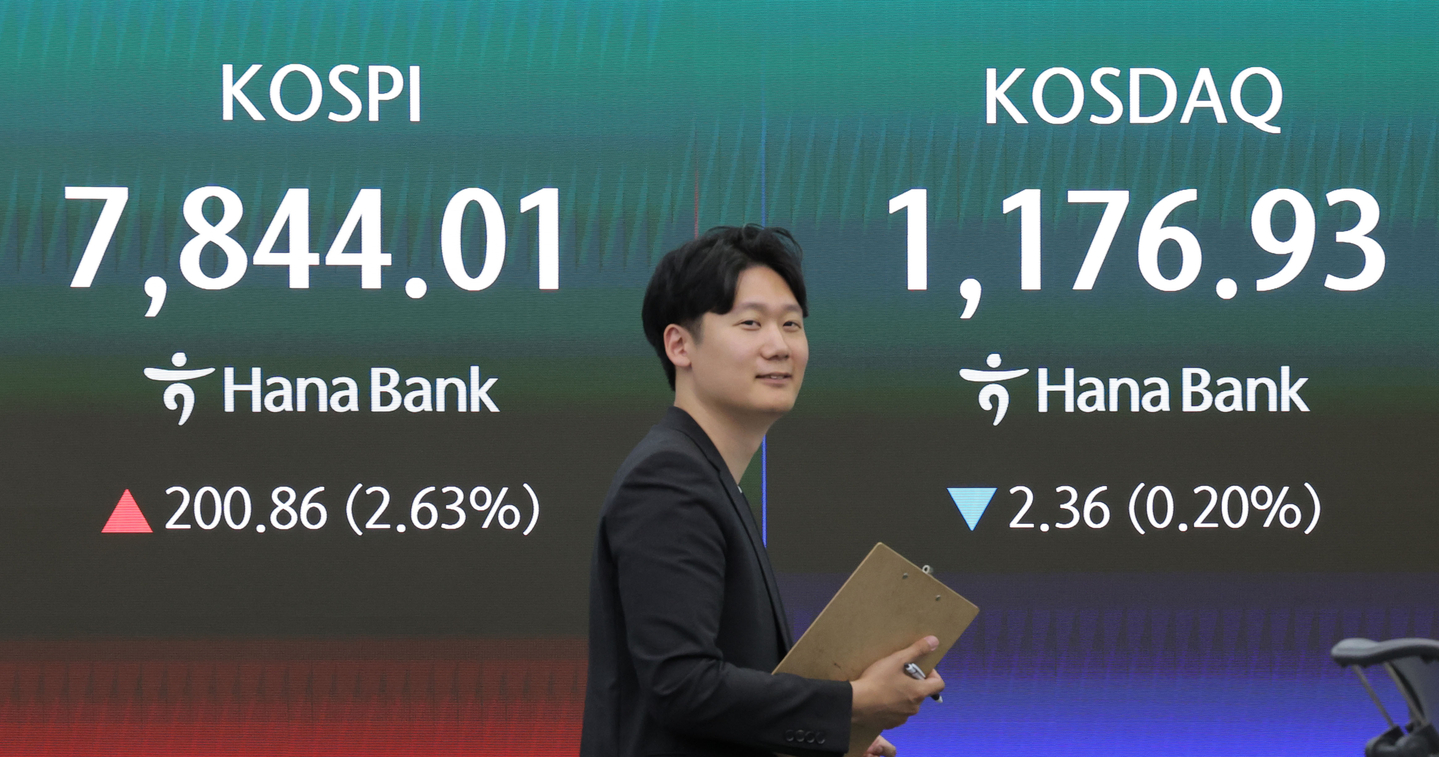
Macro & External Drivers
U.S. Treasury Yields: May 18's crash was directly fueled by surging long-dated U.S. yields, which hammer growth-stock valuations globally and hit Korean chip and AI leaders hard. Korea's Kospi carries high exposure to rate-sensitive, high-multiple tech, making U.S. rate moves a critical variable.
Won/Dollar Exchange Rate: Foreign mass selling amplifies won-weakness pressure. Per Hankyung data, if the won weakens further amid combined foreign and institutional selling, expect more foreign flight risk.
Oil Prices: May 18 oil gains compounded the selloff, raising corporate cost concerns and inflation-restart fears, intensifying global risk-off sentiment.
Korean Market Volatility Index (VKOSPI Equivalent): CNBC reported Korean equity volatility near record levels on May 18. Extreme volatility increases odds of further foreign exits and cascading automated selling.
China & Japan Markets: Direct figures unavailable, but broader Asian turmoil—driven by U.S. rate anxiety and Trump-Xi high-level talks—indirectly weighed on Korean equities.
Tomorrow's Watch Points
- Kospi 7,500 Support Hold (May 19 Intraday): Will the May 18 close of 7,516.04 hold? Watch for a tenth consecutive day of foreign net selling and its magnitude.
- U.S. Yields & Oil Direction: Further Treasury yield spikes spell more pain for Korean semiconductors and tech. Oil direction shapes broader sentiment.
- Kospi 200 Futures & Circuit Breaker Risk: Two days of circuit breakers mean a third is possible May 19 if futures crash 5%+.
- Retail Buying Staying Power: Do retail investors persist with dip-buying, or does inverse ETF betting intensify?
Investor Playbook
- Short-term: Nine-plus consecutive days of foreign selling make early-rebound trades risky. Set tight stop-losses ahead of potential circuit-breaker re-triggers in volatile trading. Samsung and SK Hynix may retest lows after technical bounces—staged buying makes sense.
- Medium-to-Long Term: As Mirae Asset Securities analyst Seo Sang-young noted, the Kospi trades at historically cheap PER (roughly 9x forward earnings). Once foreign selling exhausts and the AI-semiconductor cycle kicks in, mid-term upside remains live. Key prerequisites: U.S. rate-peak confirmation and won stabilization.
- Risk Factors: ① Further U.S. rate hikes triggering growth-stock revaluation ② Sustained foreign net selling and won weakness death spiral ③ Oil spike reigniting inflation fears, deepening risk-off globally.
Expert Commentary
Mirae Asset Securities Analyst Seo Sang-young (Reuters, May 6 interview): "Korean equities remain historically cheap on forward EPS basis, with PER near 9x. Medium-term buy cases are intact." Note: This comment predates the May 15+ selloff.
Seoul Economic Analyst Consensus: "This Kospi crash reflects profit-taking and portfolio rebalancing, not trend reversal." Broad agreement holds that while foreign mass selling stings near-term, the structural AI-semiconductor growth story survives intact.
Digital Today Weekly Outlook: "Semiconductors are catching their breath; after volatility spiked, the Kospi enters a direction-finding week. Though it briefly cracked 8,000, rate, currency, and foreign-selling headwinds cloud sentiment."
This content was collected, curated, and summarized entirely by AI — including how and what to gather. It may contain inaccuracies. Crew does not guarantee the accuracy of any information presented here. Always verify facts on your own before acting on them. Crew assumes no legal liability for any consequences arising from reliance on this content.
Powered by
