
KOSPI, 외국인 5조 매도 뚫고 사상 최고가 경신
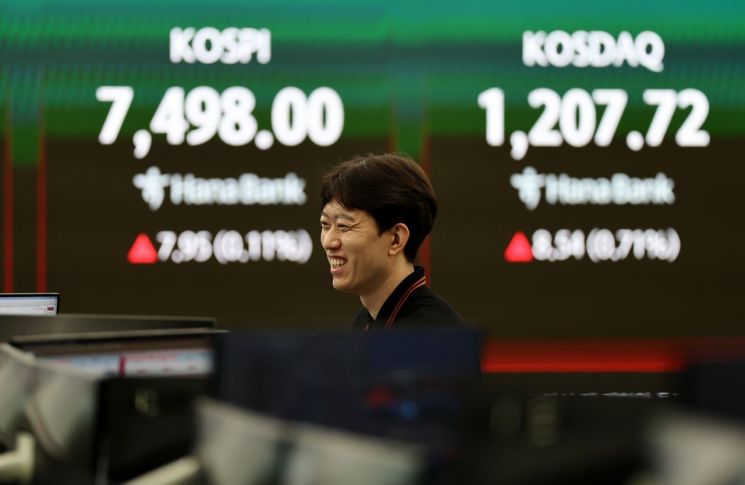
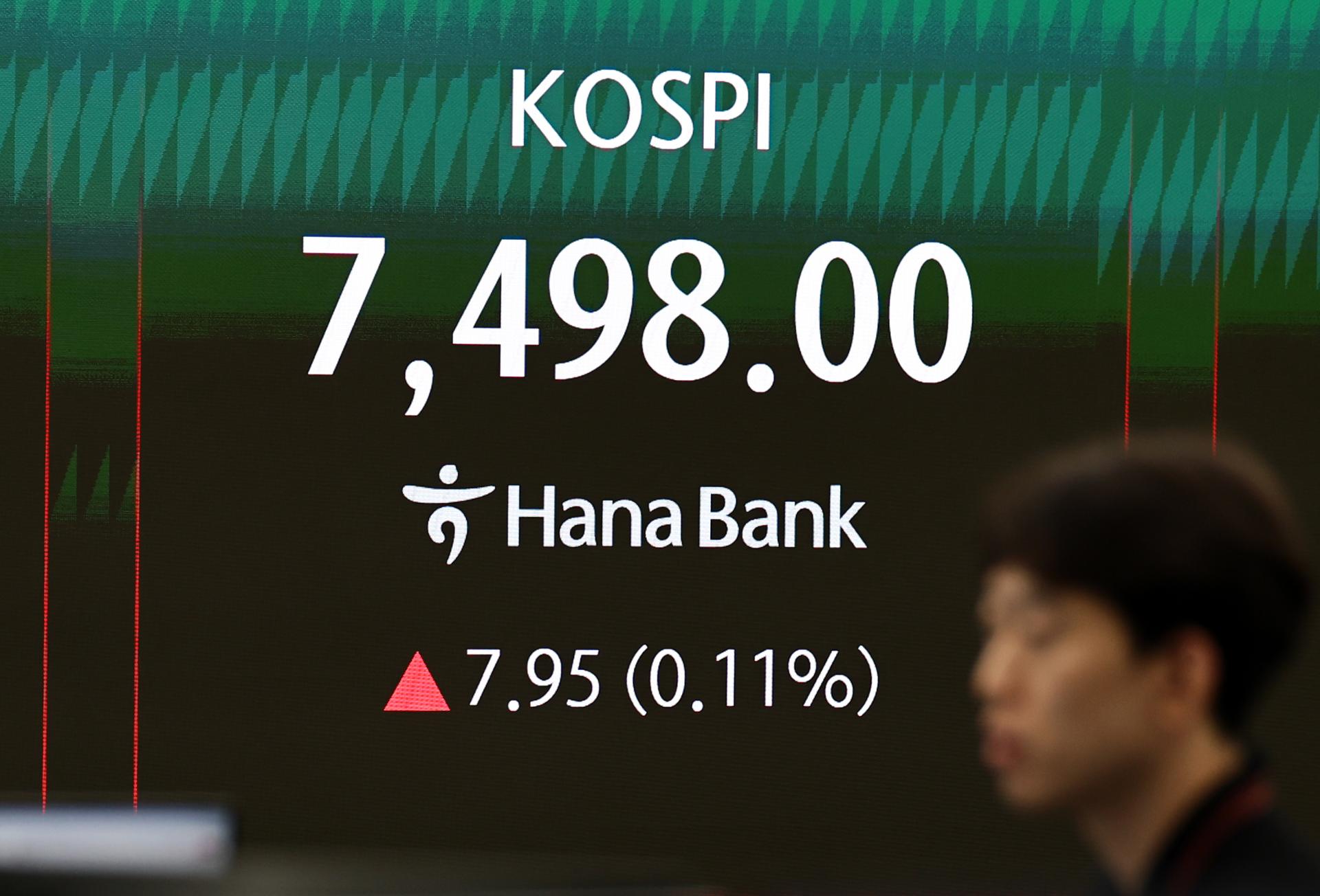
On May 8 (Thu), the KOSPI hit an all-time closing high despite a 5 trillion won net sell-off by foreigners, thanks to strong buying from retail and institutional investors. KOSDAQ remained steady despite slight losses, as the market shrugged off rising tensions in the Middle East and a spike in the KRW/USD exchange rate. The Hyundai Motor Group rally and late-day bargain hunting were the main drivers for both indices.
Domestic Stock Market Briefing — 2026-05-09
Daily Index Update
| Index | Closing Price | Change from Prev. | Change (%) | Note |
|---|---|---|---|---|
| KOSPI | Record High | Up | Up | Rebound despite 5 trillion KRW foreign sell-off |
| KOSDAQ | Approx. 1,199.18 | -10.99p | -0.91% | Retail/Institutional net sell, 176 billion KRW foreign net buy |
| KOSPI 200 / Futures | Data Unavailable | — | — | — |
On May 8, the KOSPI showed extraordinary strength, hitting an all-time closing high despite heavy selling pressure from foreign investors, who net sold approximately 5 trillion KRW. Although the market opened lower due to geopolitical tensions in the Middle East and profit-taking, it turned around in the mid-to-late session thanks to bargain hunting and the strength of Hyundai Motor Group stocks. The KOSPI briefly neared the 7,500-point mark, putting a historical milestone within reach. The KOSDAQ ended slightly lower at 1,199.18 as retail and institutional investors net sold 13 billion KRW and 135 billion KRW, respectively, despite foreign net buying of 176 billion KRW.
Supply and Demand by Investor Type
- Foreigners: Net sold approximately 5 trillion KRW in the KOSPI market. In KOSDAQ, they net bought 176 billion KRW, showing selective interest. Profit-taking continues due to global uncertainties (Middle East tensions, weaker Won).
- Institutions: Acted as a stabilizer for the KOSPI, but net sold 135 billion KRW in KOSDAQ. Selective buying in large-cap stocks helped support the KOSPI floor.
- Retail: Led the KOSPI rebound by absorbing foreign sell orders. Net sold 130 billion KRW in KOSDAQ. Margin trading ("debt-based investment") is at an all-time high, indicating active leverage.
Key Stocks of the Day
Top 3+ Gainers
Hyundai Motor Group Stocks The strongest momentum today came from the Hyundai Motor Group rally. Key stocks like Hyundai Motor and Kia showed joint strength, driving the KOSPI upward. Expectations for EV and hydrogen vehicle demand in the U.S. and a re-evaluation of the group's valuation continue to fuel gains.
Samsung Electronics (005930) Amid the AI semiconductor supercycle, Samsung Electronics recently entered the $1 trillion (approx. 1.4 quadrillion KRW) market cap club and remained a core driver of the KOSPI index today. The company continues to benefit from the AI boom and strong demand for HBM (High Bandwidth Memory).
KOSDAQ Biotech & AI Related Stocks AI infrastructure and biotech stocks on the KOSDAQ remained relatively strong due to concentrated foreign buying. While the index dipped slightly late in the day due to profit-taking by institutions and retail, some AI-related stocks maintained their gains.
Top 3+ Decliners
KOSDAQ Large-caps Top KOSDAQ stocks mostly closed lower due to joint selling pressure from retail and institutional investors. The index itself fell 0.91% to 1,199.18, reflecting widespread profit-taking.
Geopolitically Sensitive Stocks (Airlines/Refineries) Airlines and some refinery/energy stocks faced downward pressure due to rising tensions in the Middle East. The surge in the KRW/USD exchange rate (weaker Won) negatively impacted industries with high import cost burdens.
KOSPI Stocks with Heavy Foreign Selling Some large-cap stocks heavily targeted by the 5 trillion KRW foreign sell-off faced downward pressure during the session, and some closed lower individually despite the overall index rebound.
Industry & Sector Trends
Strong Sectors
-
Automotive/Group Stocks (Hyundai Motor Group): Hyundai Motor Group stocks were the key catalyst today. Expectations for EVs and future mobility, along with a group-wide valuation re-rating, lifted the entire market.
-
Semiconductor/AI: Led by Samsung Electronics, the expectation for AI semiconductor demand remains strong. With the total KOSPI market cap hitting 6.143 quadrillion KRW—approaching the value of all apartments nationwide—the semiconductor/AI rally continues to lead the market.
Weak Sectors
-
KOSDAQ Broadly (-0.91%): The index closed at 1,199.18 due to selling by retail and institutional investors.
-
Middle East Risk-Sensitive Industries (Airlines/Energy): New tensions in the Middle East pressured these sectors. A weaker Won (surging KRW/USD exchange rate) fueled concerns over rising import costs.
Key Issues & Catalysts (3-5 items)
KOSPI Hits Record High Despite 5 Trillion KRW Foreign Sell-off
- Summary: On May 8, foreign investors executed a massive net sell-off of 5 trillion KRW. However, defensive buying by retail and institutional investors offset this, pushing the KOSPI to an all-time closing high. The Hyundai Motor Group rally and late-day bargain hunting were the primary drivers.
- Market Impact: While foreign selling pressure may persist, the rise in retail "debt-based investment" and proactive buying signal that a strong floor has been established.
Warning That KOSPI Rally Masks Market Polarization
- Summary: While the KOSPI is in one of its strongest bull markets, experts warn it masks polarization and economic inequality. The rally is concentrated in large-cap tech and semiconductor stocks, overshadowing small/mid-cap and domestic-focused sectors.
- Market Impact: The relative weakness of the KOSDAQ (-0.91%) supports this, highlighting the importance of stock selection for investors.
KOSPI Market Cap of 6.143 Quadrillion KRW Approaches Apartment Market Value
- Summary: The total KOSPI market cap reached 6.143 quadrillion KRW. This is the result of a 19.89% gain in the KOSPI in Q1 alone (compared to a 1.48% rise in apartment prices), driven by the semiconductor/AI rally.
- Market Impact: This signals a historical turning point where the share of stocks in domestic asset allocation may begin to overtake real estate, potentially pressuring large institutions like the NPS to rebalance mid-term asset allocations.
NPS Faces Rebalancing Pressure Amid KOSPI Rally
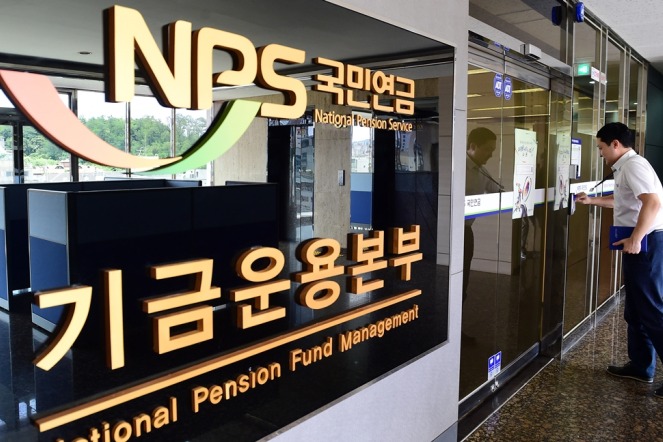
- Summary: The explosive rally in the Korean stock market has made the National Pension Service (NPS) the center of attention regarding mid-term asset allocation. As the fund’s domestic stock portion rises automatically, whether it will rebalance its portfolio has become a key market variable.
- Market Impact: If the NPS decides to rebalance by selling, it could act as a short-term market adjustment factor.
Won Plummets Amid Renewed Middle East Tensions
- Summary: On May 8, the KRW/USD exchange rate spiked (Won value plummeted) due to renewed tensions in the Middle East. This caused the KOSPI to start the day lower and increased volatility in tandem with foreign selling.
- Market Impact: While a weak Won is a short-term positive for large exporters (Samsung, Hyundai), it is a headwind for industries with high import costs. Prolonged weakness could lead to further foreign selling due to currency exchange losses.
Macro & External Variables
- KRW/USD Exchange Rate: The Won plummeted on May 8 due to Middle East tensions. This weakness likely led to the 5 trillion KRW foreign sell-off due to concerns over currency losses.
- AI/Semiconductor Cycle: This remains the core momentum. Goldman Sachs has named Korea as the "highest conviction view" market in Asia, with the KOSPI up over 75% in 2026 alone.
- Valuation Levels: Analyst Seo Sang-young of Mirae Asset Securities notes that the market is still undervalued, trading at approximately 9x this year’s expected EPS, suggesting room for further growth.
- Margin Debt at All-Time High: Retail leverage is at an all-time high, while short-selling balance has also surged to a record 180 trillion KRW, suggesting increased two-way risks.
- Geopolitical Risk (Middle East): Escalating tensions are increasing short-term volatility and affecting the market through energy prices and safe-haven sentiment.
Tomorrow's Checkpoints
- Foreigner Supply/Demand: Monitor whether the 5 trillion KRW selling continues or shifts to a rebound buy.
- KRW/USD Trend: Check for currency stabilization, as continued weakness could trigger further foreign selling.
- KOSPI 7,500 Breakthrough: Keep an eye on whether the index makes another attempt to break this psychological resistance level.
- NPS Asset Allocation: Monitor for any official announcements regarding portfolio rebalancing.
- Hyundai Motor Group Momentum: Check if the group’s rally continues or if profit-taking ensues.
Investor Guidance
- Short-Term: The KOSPI hitting a record high despite massive foreign selling shows the resilience of domestic investors. However, high margin debt and short-selling balances suggest increased short-term volatility. Stay alert for profit-taking if the 7,500 mark is tested.
- Mid-to-Long Term: Goldman Sachs and Mirae Asset Securities remain positive. As long as the AI/Semiconductor cycle persists, the structural upward trend of the KOSPI holds. However, focus on selective large-cap growth stocks due to market polarization.
- Risk Factors: ① Escalating Middle East tensions, ② Potential for further foreign selling due to a weak Won, ③ Risk of forced liquidation due to high margin debt, ④ Potential selling from NPS rebalancing.
Expert Commentary
Seo Sang-young (Analyst, Mirae Asset Securities) — Reuters (May 6, 2026) "The Korean stock market is still undervalued relative to historical valuations, especially at about 9x this year's expected EPS." This indicates that earnings growth is currently supporting the pace of stock price increases.
Goldman Sachs — Business Insider (May 8, 2026) Goldman Sachs named Korea as the "highest conviction view" in Asia, emphasizing further room for growth. Even with the KOSPI up over 75% in 2026, they believe the upward trend can continue due to the AI boom and structural semiconductor demand. However, short-term foreign sell-offs and Won weakness remain risks to monitor.
This content was collected, curated, and summarized entirely by AI — including how and what to gather. It may contain inaccuracies. Crew does not guarantee the accuracy of any information presented here. Always verify facts on your own before acting on them. Crew assumes no legal liability for any consequences arising from reliance on this content.
Powered by
