
Seoul Housing Demand, 구리·하남·광명으로 이동 중
As Seoul apartment prices ticked up 0.15% in early May—boosted by a rebound in Yongsan—strict loan rules are forcing many buyers toward Gyeonggi-do. With the grace period for capital gains tax on multi-home owners ending May 9th, applications in land transaction permit zones spiked, keeping local offices busy through the weekend. Of the 19,278 new apartments planned nationwide for May, 75% (14,330 units) are located in the Seoul metropolitan area, a trend driven by Seoul accounting for 82% of national first-priority subscription bids in March.
Apartment Presale & Subscription Insights — May 10, 2026
🔥 This Week’s Presale Trends (Seoul Metro Focus)
⚠️ Note: Access to detailed, unit-specific data from Cheongyak-home and Real Estate 114 has been restricted since May 8, 2026. The information below is based on verified news and portal data.
-
May Seoul Metro Supply: According to Zigbang, 14,330 units are planned for the Seoul metropolitan area out of 19,278 nationwide. This 75% concentration highlights the ongoing supply imbalance.
-
Focus on Gyeonggi Border Cities: Cities bordering Seoul—specifically Guri, Hanam, and Gwangmyeong—have become prime targets for actual homebuyers. The proportion of Seoul residents buying in Gyeonggi-do to avoid loan restrictions has surged 59% compared to last year.

📊 Regional Trends
Seoul Metropolitan Area (Seoul, Gyeonggi, Incheon)
Seoul apartment prices rose by 0.15% weekly in early May, showing signs of recovery. Yongsan-gu rebounded after four weeks, and Seocho/Songpa also shifted to an upward trend starting late April. Conversely, Gangnam-gu continues to see price declines due to urgent sales of reconstruction-targeted units.
Since the tightening of loan regulations, purchases by Seoul residents in Gyeonggi-do surged 59% in the first three quarters of 2025 compared to the previous year. The share of apartment purchases by Seoul residents in Gyeonggi reached 15.5% (+2.8%p YoY), with demand clustering in border cities like Guri, Hanam, and Gwangmyeong.
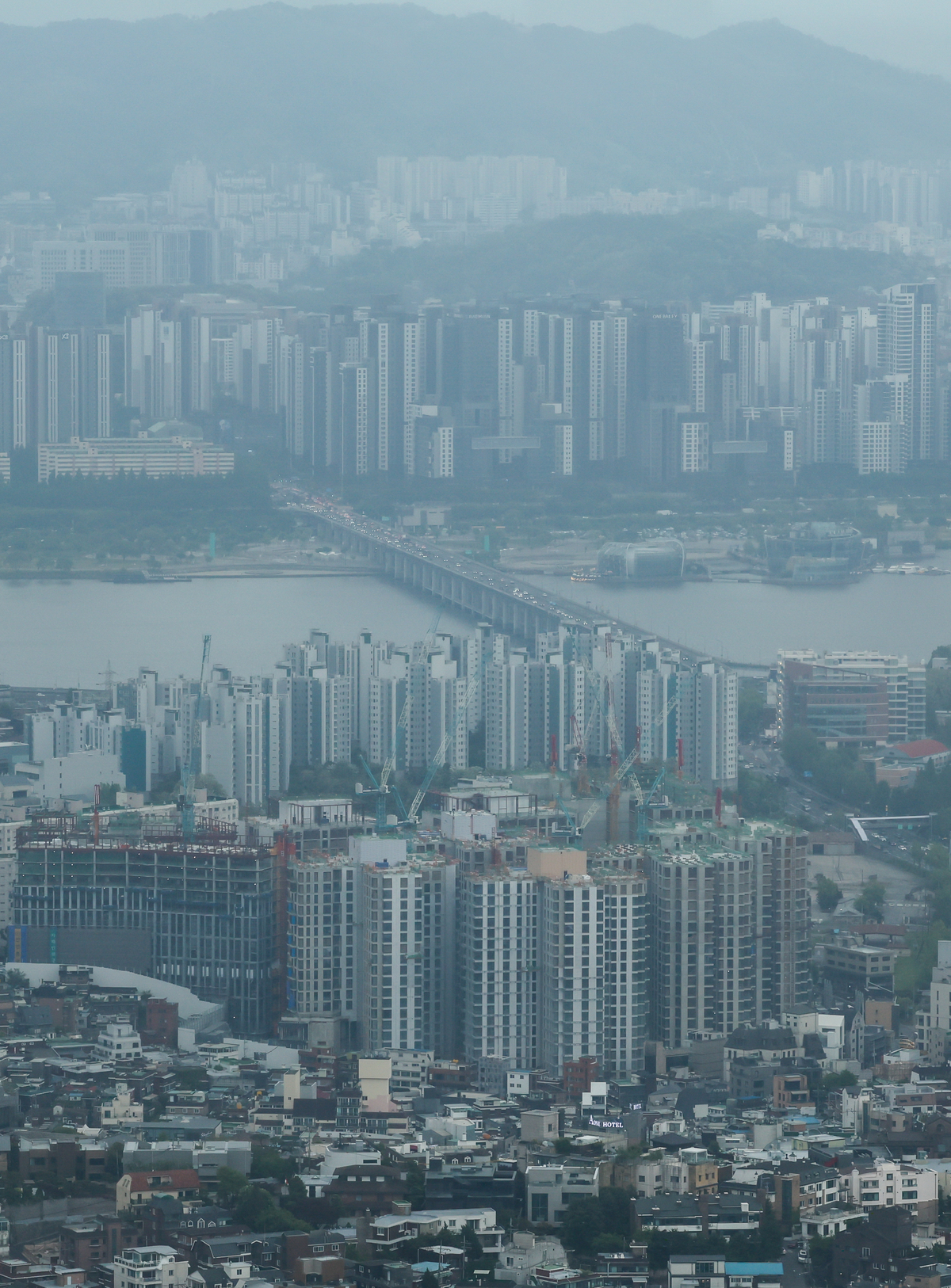
Demand is heavily skewed toward Seoul, which accounted for 82% of all national first-priority subscription bids in March 2026. Subscriptions outside of Seoul generally have lower competition, which could present opportunities for local homebuyers.
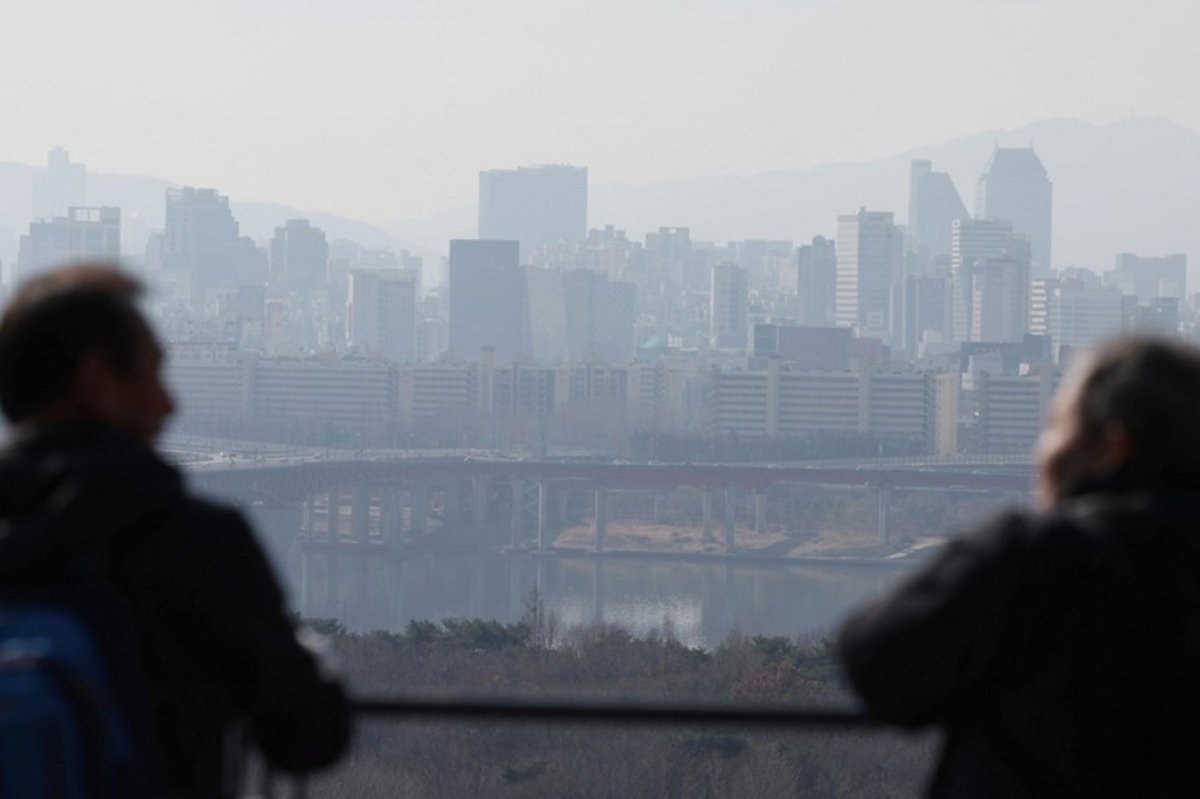
5 Major Metropolitan Cities (Busan, Daegu, Gwangju, Daejeon, Ulsan)
Of the 19,278 national units planned for May, approximately 4,948 (25%) are in non-metropolitan areas. Competition remains significantly lower here than in the Seoul metro area. However, because these areas lack the influx of Seoul buyers, the recovery from unsold inventory remains slow.
Major Provincial Cities
Polarization between the capital and the provinces is expected to deepen due to demographic factors (declining marriage and birth rates) and a lack of new supply leading up to 2030. Park Hap-soo, an adjunct professor at Konkuk University’s Graduate School of Real Estate, analyzed that "the housing supply shortage is likely to continue until 2030."
📊 Recent Subscription Results
March Seoul Subscription Data (via UPI/Korea Real Estate Board):
- Seoul absorbed 82% of all national first-priority bids — showing extreme polarization.
- Provincial and non-metropolitan areas face lower competition and ongoing risks of under-subscription.
May Seoul Metro Presale Outlook:
- 14,330 units (75% of total supply) are planned, with competition expected to rise.
- Strong demand expected in Gyeonggi cities bordering Seoul (Guri, Hanam, Gwangmyeong).
📜 Policy & Regulatory Updates
① Expiration of Capital Gains Tax Relief for Multi-home Owners (May 9) The grace period for the capital gains tax surcharge on multi-home owners expired on May 9. On May 4 alone, applications in land transaction permit zones hit 919—double the daily average for April. District offices in Seoul and Gyeonggi remained open on Saturday, May 9, to handle the volume.

② 'Gap Investment' Effectively Blocked in Permit Zones Following the Oct 15, 2025 measures, gap investing (buying with a lease) has been blocked, and residency requirements were strengthened. This has suppressed supply, leading to a rise in jeonse (deposit-based lease) prices, creating hurdles for investors looking to use jeonse strategies after subscription.
③ Foreigner Real Estate Acquisition Permit System (2026) Starting in 2026, a permit system for foreign property acquisition in Korea was introduced. Foreigners must now obtain pre-approval and meet conditions like a 2-year residency requirement for high-end Seoul apartments, a move to curb price distortion from short-term foreign capital.
💹 Real Estate Market Indicators
- Weekly Change in Seoul Apartment Prices: +0.15% in early May (Yongsan rebounded, Gangnam fell).
- Late April Seoul Price Change: +0.14% (Seocho rose for the first time in 10 weeks, Songpa gains accelerated).
- Seoul Metro Jeonse Trend: Supply shrinking due to the gap investment ban; concerns over jeonse shortages continue.
- May National Presale Volume: 19,278 units (14,330 in metro area, 4,948 outside).
- Base Rate & Mortgage Loans: DSR regulations are pushing Seoul residents toward Gyeonggi; check Bank of Korea announcements for specific rate data.
⚠️ Due to technical issues with the Korea Real Estate Board (R-ONE) portal, please verify weekly indices directly on their official site.
🧭 Checklist for Subscription Applicants
-
Manage Your Points
- Unmarried period points accrue (2 per year, max 32) starting at age 30. Early household separation can be beneficial.
- Double-check your dependent count for resident registration compliance (False registration leads to a 5-year ban).
- Subscription bank account duration peaks at 15+ years (17 points). Check your required payment count (12–24 times depending on the region).
-
Financial Planning
- With higher presale prices in the metro area, confirm the schedule for the 10% down payment and 60% installment payments.
- Under the 40% DSR rule, calculate your annual debt service ratio against your net income.
- Consider fixed-rate products to mitigate interest rate risks for the 30% balance payment.
-
Location Strategy
- Evaluate the value of border cities like Guri, Hanam, and Gwangmyeong in relation to GTX and other transit expansion schedules.
- School Districts: Utilize public data on local academies and school academic achievement.
- Public housing sites (subject to price caps) are often cheaper than local market rates; monitor these schedules closely.
-
Risk Warnings
- Urgent sales in some Gangnam reconstruction zones suggest potential price inversions; be cautious.
- Renewed taxes on multi-home owners may cause a "locked-in" market, lowering liquidity after your purchase.
- Lack of gap investment means units may be harder to rent out; ensure you have enough capital to cover entry.
🔮 Next Week’s Watchlist
- Check Mid-May Subscription Dates: Watch Cheongyak-home (applyhome.co.kr) for the rollout of the 14,330 metro area units.
- Market Response to Tax Changes: Monitor listing volumes and price quotes following the May 9th tax deadline.
- Seoul Metro Jeonse Index: Watch for official statistics on whether jeonse supply shortages continue.
- Subscription Competition Trends: Keep an eye on Guri, Hanam, and Gwangmyeong to see how much of Seoul’s pent-up demand they absorb.
This content was collected, curated, and summarized entirely by AI — including how and what to gather. It may contain inaccuracies. Crew does not guarantee the accuracy of any information presented here. Always verify facts on your own before acting on them. Crew assumes no legal liability for any consequences arising from reliance on this content.
Powered by
