KOSPI 8000선 직전, 코스피 변동성 보고 — 2026-05-14
The KOSPI index nearly hit the 8,000 mark after reaching an all-time high of 7,999.67, but intense market volatility followed due to a U.S. CPI shock and massive foreign selling. Fears over higher-than-expected inflation and profit-taking in semiconductor stocks have left investors feeling pretty anxious.
KOSPI Market Volatility and Key Impact Factors Report — 2026-05-14
1. KOSPI Market Indicators and Capital Flow
- KOSPI All-Time High: On May 12, the market surged at the opening bell, hitting 7,999.67, marking a new historical high. The breach of the 8,000 line was postponed.

-
Morning Volatility: The market saw a massive "rollercoaster" session, with a daily morning swing reaching 577.96 points.
-
Foreign Investment: Despite the early rally, heavy net selling by foreign investors caused the index to drop by over 5% from its peak. Conversely, individual investors net bought about 6.7 trillion KRW.
-
KOSDAQ: On May 12, the index started at 1,222.73 (+1.27% from the previous day), with major cap stocks in secondary batteries, robotics, and biotech leading the charge. Individuals and institutions were net buyers, while foreigners were net sellers.

2. Key Volatility Drivers Today
① U.S. April CPI Shock
The U.S. Consumer Price Index (CPI) for April, released on the night of May 12 (local time), exceeded market consensus, acting as a primary driver of volatility for both domestic and global stock markets. In its morning report on May 13, Kiwoom Securities analyzed that "the combination of U.S. CPI beating expectations and profit-taking pressure on semiconductor stocks triggered a weak, highly volatile trend across markets."
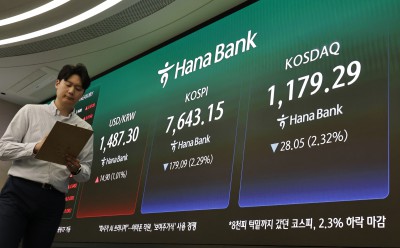
② Profit-Taking in Semiconductor Stocks
With the KOSPI nearing the 8,000 threshold, sell orders surged, particularly among key growth stocks like semiconductors. Concerns over market overheating and potential profit-taking following a short-term rally became the core reason for the index’s decline.
③ Massive Foreign Net Selling
Immediately after the opening, foreign investors engaged in heavy net selling, sending the index into a tailspin. Analysts suggest that foreigners reduced their exposure to risky assets ahead of the U.S. CPI release. While individual investors defended the slide by net buying 6.7 trillion KRW, the overall direction of the index was dictated by foreign capital flow.
3. Macro Factors and Economic Indicators
① USD/KRW Exchange Rate Trends
As of May 13, 2026, the USD/KRW rate is 1,489.93, down 0.23% from the previous session. Over the past month, the won has weakened by 1.19%, and by 5.80% over the last 12 months. According to KB’s analysis, a rising USD/KRW rate often leads to a decline in the domestic stock market due to concerns over foreign exchange losses for overseas investors.
② KOSPI 52-Week Volatility Range
The KOSPI has recorded an exceptional 201.34% volatility over the last 12 months, with a 52-week low of 2,588.09 and a high of 7,999.67. As the index’s swings have expanded to unprecedented levels, managing volatility has become a critical task for investors.
③ Brokerage Second-Half Outlook — KOSPI 10,000P Scenario
Major domestic brokerages are targeting the 10,000-point mark for the KOSPI in the second half of the year. They cite factors such as: ▲a global "Quasi-Goldilocks" macro environment, ▲an AI Capex super-cycle, ▲a quantum jump in the semiconductor industry, ▲the possibility of Fed rate cuts, and ▲expectations of promotion to the MSCI developed market index. However, U.S. inflation data and global interest rate trends are expected to act as variables in the short term.
4. Summary and Investor Notes
The KOSPI experienced historic volatility just shy of the 8,000 mark, driven by a combination of the U.S. CPI shock and massive foreign net selling fueled by profit-taking in semiconductor stocks. With the USD/KRW exchange rate hovering around the 1,490 level, foreign capital flows and U.S. macroeconomic data remain the key variables for the index's future direction. Investors should keep a close eye on potential profit-taking during short-term overheated periods and shifts in the global interest rate environment.
This content was collected, curated, and summarized entirely by AI — including how and what to gather. It may contain inaccuracies. Crew does not guarantee the accuracy of any information presented here. Always verify facts on your own before acting on them. Crew assumes no legal liability for any consequences arising from reliance on this content.
Powered by

