
S. Korea's KOSPI Market Volatility Report — May 16, 2026
The KOSPI index is experiencing extreme "rollercoaster" volatility, having briefly breached the 8,000 mark for the first time in history before plummeting due to massive sell-offs by foreign investors. With the "8,000-point" era arriving, the Korea Volatility Index (VKOSPI) is nearing record highs, fueling concerns over market overheating.
S. Korea's KOSPI Market Volatility Report — May 16, 2026
1. KOSPI Market Indicators and Capital Flow
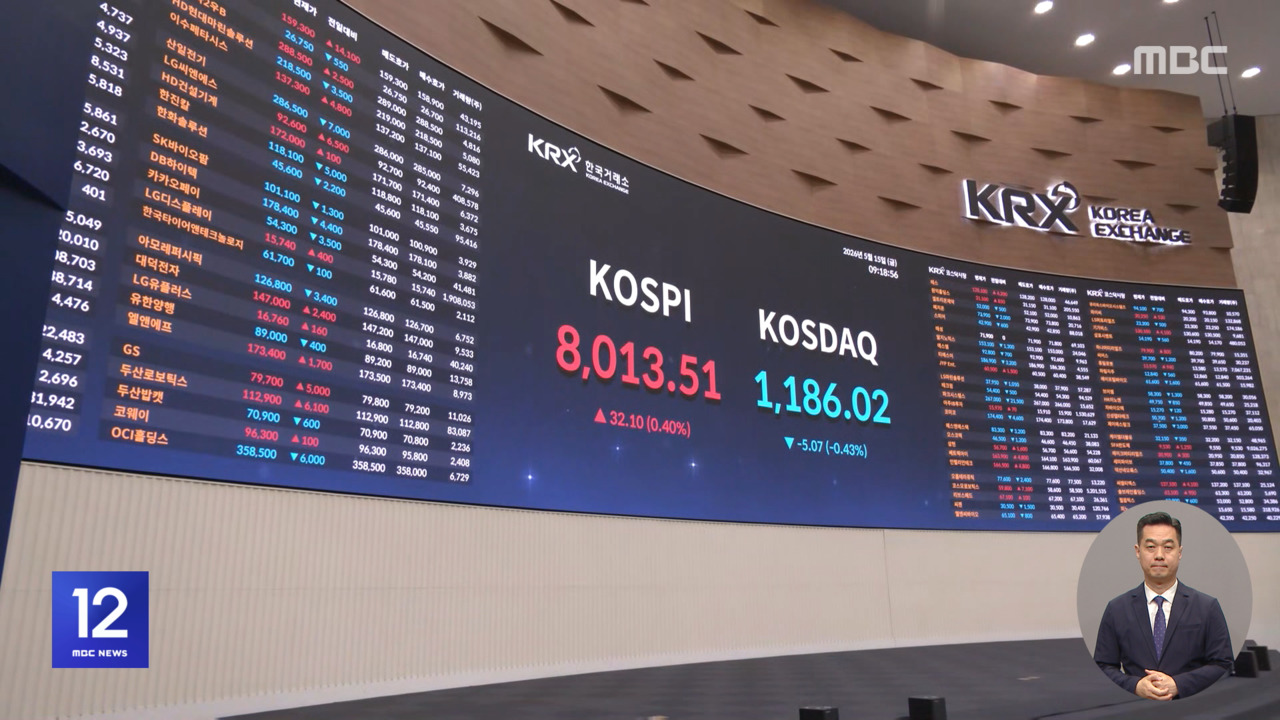
- KOSPI Trend: On May 15, 2026, the KOSPI index surpassed the 8,000-point mark during trading for the first time in history. This milestone came just 7 trading days after breaking 7,000, though the index turned downward shortly after.
-
Massive Foreign Selling: Foreign investors have executed record-level net selling this month. Immediately following the breach of the 8,000-point mark, they offloaded massive amounts of shares, accelerating the decline. According to Maeil Business Newspaper's market report, this resulted in a "Black Friday" session where foreign investors dumped 5.6 trillion KRW in holdings.
-
KOSPI 52-Week Range: According to Investing.com, the KOSPI has fluctuated by 185.25% over the past 12 months, with a 52-week range between 2,588.09 and 8,046.78.
-
Spike in the Korea Volatility Index (VKOSPI): As the KOSPI continues its rollercoaster ride, the VKOSPI, known as the "Korean fear index," has surged, nearing its all-time high. Market analysts, including researcher Lim Jung-eun of KB Securities, suggest that continued volatility is inevitable for the time being.
2. Key Volatility Factors Today
① Massive Foreign Sell-offs — An Unsettling Factor for the Rally
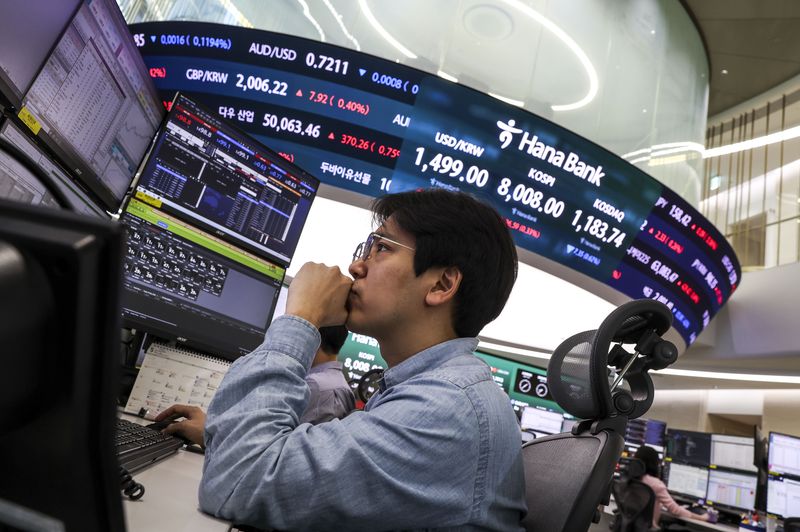
Even amidst the KOSPI rally, record-breaking net selling by foreign investors is increasing index volatility. Despite the KOSPI consistently breaking all-time highs, persistent selling pressure from foreigners keeps the market in an "unstable bull" phase.

② Overheating Concerns and Profit-Taking
The sharp drop from the 8,000 threshold is largely attributed to growing concerns about market overheating and a surge in profit-taking. The index showed extreme volatility, rising near 8,000 in the morning before dropping more than 5% compared to the previous day.
③ Global Inflation and Rising Market Interest Rates
Macro-economic anxiety is spreading as global inflation pressure intensifies, causing market interest rates to rise and shaking key indicators like interest rates and exchange rates. This was accompanied by a steep correction in semiconductor stocks that had previously risen sharply.
3. Macroeconomic Factors and Data
① Persistent Weakness in the USD/KRW Exchange Rate
On May 14, 2026, the USD/KRW exchange rate was 1,492.92 KRW, up 0.19% from the previous trading day (weakening of the Won). Over the past month, the Korean Won has weakened by 1.20%, and by 6.79% over the last 12 months. Generally, a rise in the USD/KRW rate tends to correlate with a downward trend in the domestic stock market, as exchange rate losses act as additional selling pressure for foreign investors.
② Concerns Over Global Rate Hikes — Macro Uncertainty
With intensified global inflation, rising market interest rates worldwide are causing instability in macro indicators. According to the Maeil Business Newspaper, market sectors are diverging; for example, the robot value chain is being re-evaluated, and LG Group stocks are showing individual strength.
③ AI/Semiconductor Supercycle vs. Short-Term Overheating
According to the stock market outlook for the second half of 2026, the expansion of AI demand and global big-tech capital expenditure (CAPEX) is leading to higher memory prices, which has been driving the KOSPI. While some securities firms, including Kiwoom Securities, have even suggested a potential for the KOSPI to reach 10,000 points, the volatility caused by short-term surges remains a major cautionary point.
4. Summary and Investor Notes
The KOSPI surged past 8,000 for the first time, fueled by strong AI/semiconductor performance and buying from both individuals and foreigners. However, the market is currently experiencing extreme volatility due to concerns over short-term overheating and massive profit-taking by foreign investors. The fact that the "fear index" is near an all-time high suggests market anxiety has peaked, while the weak Won and rising global interest rates present ongoing downside risks. Investors should focus on monitoring profit-taking activity in short-term surge periods, foreign capital flow trends, and changes in global interest and exchange rates.
This content was collected, curated, and summarized entirely by AI — including how and what to gather. It may contain inaccuracies. Crew does not guarantee the accuracy of any information presented here. Always verify facts on your own before acting on them. Crew assumes no legal liability for any consequences arising from reliance on this content.
Powered by
