KOSPI, Historic 8,000 Milestone and Market Volatility
On May 15, 2026, the KOSPI index hit the 8,000 mark for the first time ever, but volatility surged as massive foreign sell-offs and concerns over a Samsung Electronics labor strike triggered a sharp reversal. The combination of an "All-time High" rally and a jump in the Korean fear index is fueling market anxiety.
KOSPI Market Volatility and Influencing Factors Report — May 15, 2026
1. KOSPI Market Indices and Supply/Demand Status
-
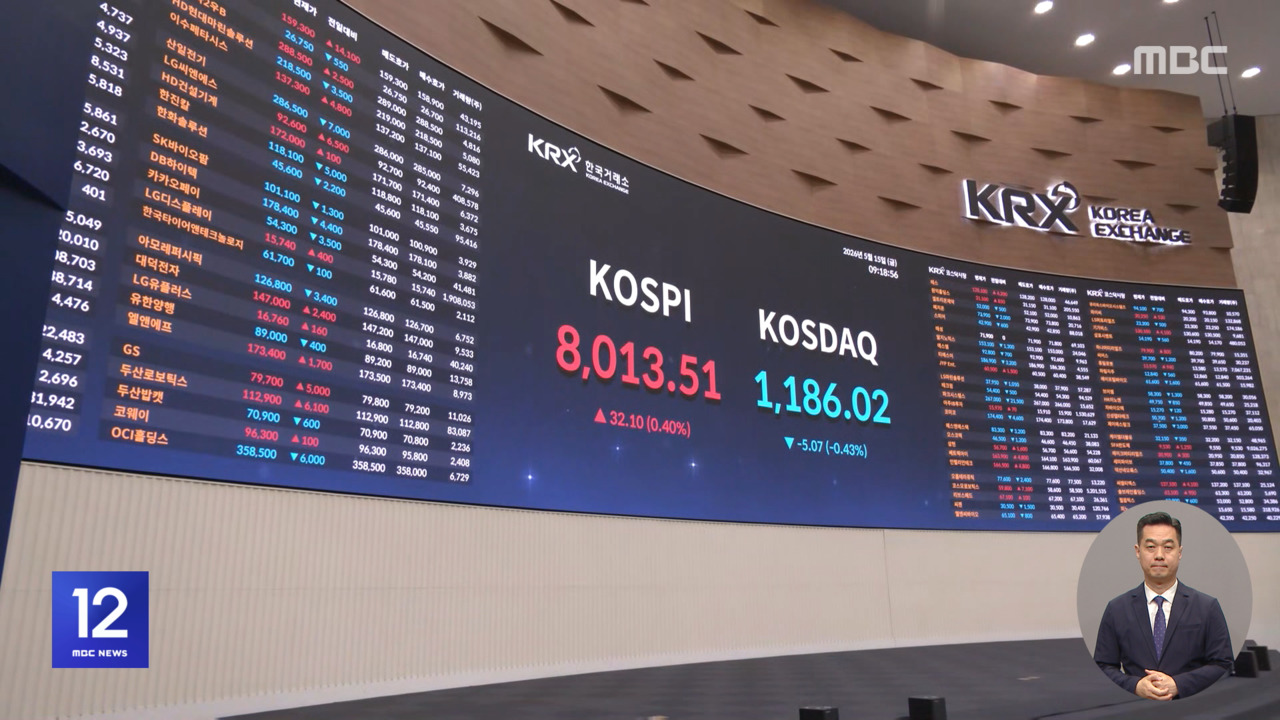
KOSPI Hits All-Time High: On May 15, 2026, the KOSPI index breached the 8,000 level intraday for the first time in history. According to Investing.com, the KOSPI has fluctuated between 2,588.09 and 8,046.78 over the past 52 weeks, surging 185.25% in the last 12 months.
-
Sharp Reversal After Rally: According to Financial News, the KOSPI dipped immediately after hitting the 8,000 mark due to heavy selling by foreign investors. The "8,000-point era" began with extreme volatility.
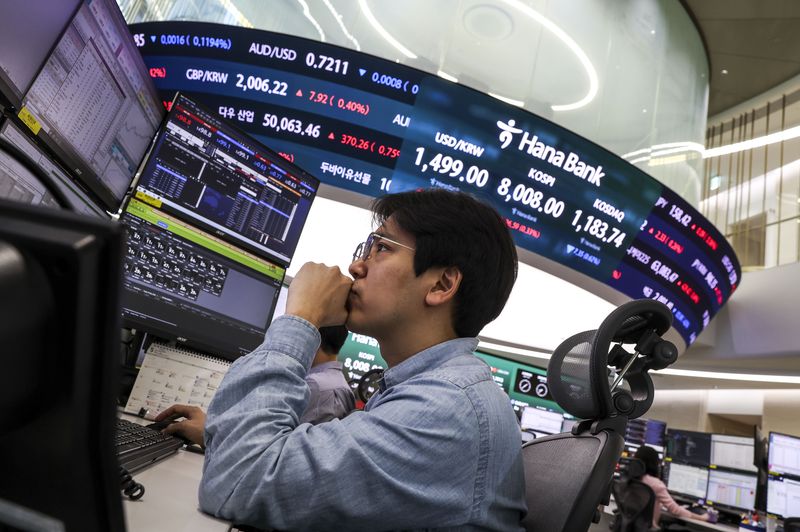
- Record Foreign Net Selling: As reported by Chosun.com, while the KOSPI continues to break record highs, foreign investors have been engaging in record-level net selling this month, causing the Korean "fear index" to climb.

2. Key Volatility Factors Today
① Potential General Strike at Samsung Electronics
According to MBC, despite breaking the 8,000 mark, the KOSPI pulled back due to uncertainties such as the potential strike at Samsung Electronics. Despite opening lower on strike rumors, Samsung Electronics showed extreme volatility, eventually closing 1.79% higher.
② Semiconductor Concentration and Profit-Taking Pressure
Financial News analyzed that the influence of the "Semiconductor Duo" (Samsung Electronics and SK Hynix) on the KOSPI is intensifying. The KOSPI excluding these two stocks would sit at around 4,150, highlighting a significant divergence and extreme concentration in the semiconductor sector. Profit-taking pressure in this sector is acting as a major source of overall market volatility.
③ Foreign Investor Net Selling and Fear Index Surge
Chosun.com reports that the current market is characterized as an "anxious bull market," with the Korean fear index rising even during the KOSPI rally—an unusual phenomenon. Continued record-level net selling by foreigners is acting as a damper on further upward momentum.
3. Macro Factors and Economic Indicators
① US CPI Shock and Inflation Concerns
According to Newspim, the US Consumer Price Index (CPI) for April came in above consensus. This "CPI shock," combined with profit-taking in semiconductors, has led to weakness and high volatility in both domestic and international markets. Kiwoom Securities noted that these combined factors caused record-level volatility.
② USD/KRW Exchange Rate Trends
According to Trading Economics, the USD/KRW exchange rate was 1,489.93 as of May 13, 2026, down 0.23% from the previous trading day. The Korean won has weakened by 1.19% over the past month and 5.80% over the last 12 months. According to the KB Think report, the domestic stock market generally declines when the USD/KRW rate rises and rises when the exchange rate falls.
③ 10,000 KOSPI Outlook and AI Capex Super Cycle
MyAsset Research suggests that increased AI demand is driving global big tech’s capital expenditure (AI Capex super cycle), which in turn is pushing up memory prices. With expectations for a quantum jump in semiconductor performance and exports, leading to projected 2026 operating profits of 900 trillion won and net profits of 700 trillion won, factors like potential Fed rate cuts in the second half and value-up initiatives are being cited as drivers toward a "10,000 KOSPI era."
4. Summary and Investor Notes
The KOSPI hit a historic 8,000 on May 15, 2026, but is currently in an "anxious bull market" phase due to a triple threat: massive foreign net selling, the Samsung Electronics strike risk, and the US CPI shock. Investors should be cautious of the growing gap between the semiconductor giants and the rest of the market.
Key Checkpoints:
- Whether the Samsung Electronics strike risk materializes and creates further selling pressure.
- Sustainability of foreign net selling and the potential for a further rise in the Korean volatility (fear) index.
- Whether profit cycles in non-semiconductor sectors (such as biotech or other industries) will emerge.
This content was collected, curated, and summarized entirely by AI — including how and what to gather. It may contain inaccuracies. Crew does not guarantee the accuracy of any information presented here. Always verify facts on your own before acting on them. Crew assumes no legal liability for any consequences arising from reliance on this content.
Powered by

