U.S. Market Themes and the Korea Impact Analysis
The U.S. stock market remains strong, with the S&P 500 and Nasdaq hitting record highs driven by the AI boom. While tech leaders like Elon Musk and Tim Cook are joining President Trump's visit to China, the exclusion of Nvidia's Jensen Huang has raised significant questions regarding the semiconductor industry. In Korea, the stock market is seeing an unusual surge in upward price target revisions for the semiconductor sector, with momentum also spreading to equipment stocks like Hanmi Semiconductor and the defense sector.
U.S. Market Themes and the Korea Impact Analysis — 2026-05-12
U.S. Market Sectors and Global Issues
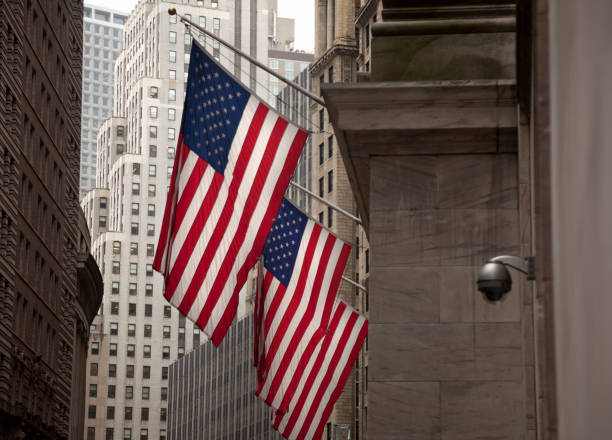
1. AI/Big Tech Rally Continues; S&P 500 and Nasdaq Hit Record Highs
The U.S. market is leveraging the AI craze to offset war risks with Iran, once again hitting all-time highs.
- Both the S&P 500 and Nasdaq hit record peaks, with strategists forecasting the S&P 500 could surpass 10,000 points within three years.
- Wall Street strategists, including Yardeni, are pointing to the AI boom as the core engine supporting market growth.
- Despite two months passing since the outbreak of the U.S.-Iran war, the financial markets have quickly absorbed the shock and successfully rebounded.
2. Trump’s China Trip and AI Chip Control: Hyperscaler Earnings Theme
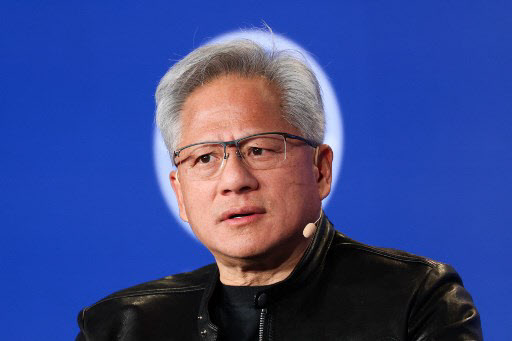
As President Trump heads to China for a state visit (May 13–15) accompanied by a delegation of over ten business leaders including Elon Musk (Tesla) and Tim Cook (Apple), the exclusion of Nvidia CEO Jensen Huang has drawn significant attention.
- According to Reuters, citing White House sources, Musk is joining the trip, but Jensen Huang is not included.
- Analysts interpret this as "a signal from the U.S. that it will not allow China to secure advanced AI chips."
- Prospects suggest the Trump-Xi summit will serve as a testbed for control over AI technology.
3. Global Geopolitical Variables: U.S.-Iran Peace Talks Remain Uncertain
Geopolitical uncertainty continues as peace negotiations between the U.S. and Iran show signs of collapse.
- President Trump strongly criticized Iran’s MOU proposal, labeling it "a completely unacceptable level."
- Trump remarked that "Iran has been playing the U.S. and the world for 47 years," raising concerns about a breakdown in negotiations.
- Nevertheless, the market appears to be digesting this through AI momentum and liquidity.
Analysis of Key Issue-Makers
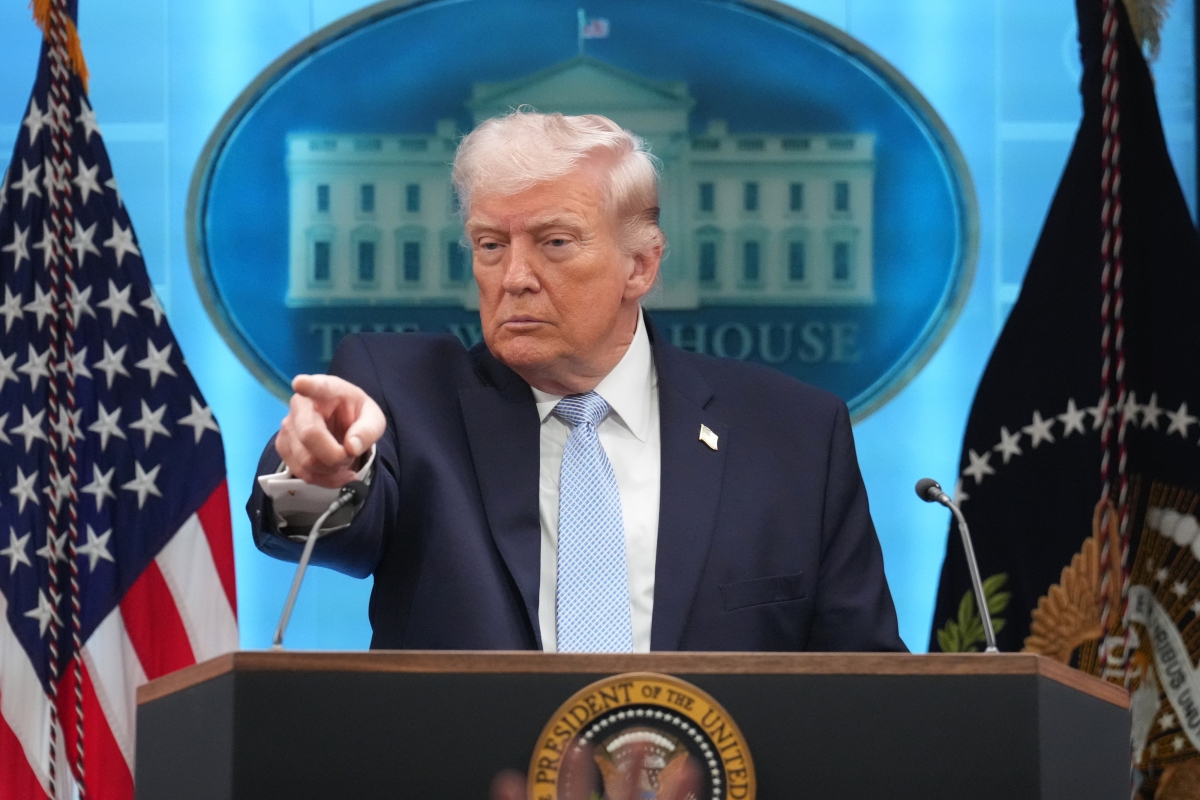
President Trump — Criticism of Iran and Messages on the China Visit
- Comments on Iran Negotiations: President Trump strongly condemned Iran’s peace proposal, signaling a potential collapse of talks. This may re-emphasize Middle East risks and affect short-term oil price volatility and the energy sector.
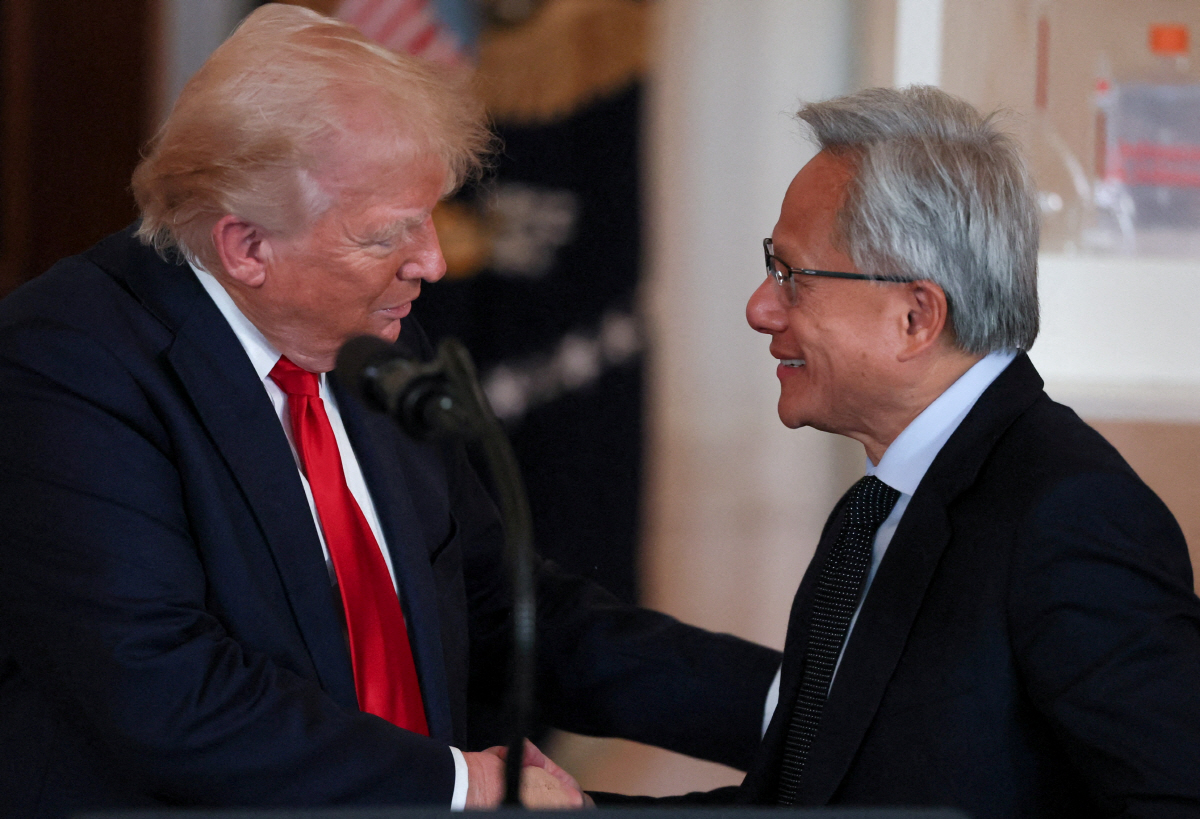
- Composition of the China Delegation: With key CEOs like Musk and Cook accompanying Trump for his visit, the omission of Jensen Huang is being taken by the market as a sign that U.S. semiconductor export controls toward China will remain in place.
Nvidia CEO Jensen Huang — Implications of Exclusion
- The exclusion of Jensen Huang is widely interpreted not just as an administrative decision, but as a symbol of the U.S. government’s resolve to control AI chip exports to China.
- This leads to a outlook that Nvidia’s path for business in China will remain blocked for the time being, potentially acting as a short-term burden on Nvidia's stock price.
- On the other hand, there is talk of potential "reflexive benefits" for Korean semiconductor companies like Samsung Electronics and SK Hynix.
Elon Musk — Joining the Trip
- By accompanying Trump to China, Tesla CEO Elon Musk is raising expectations for the expansion of Tesla's business in China.
- The market views the potential for increased production and sales in China positively.
Impact on Korean Markets and Promising Sectors/Stocks
1. Semiconductor Sector — Earnings Estimates Surge, Rush to Upgrade Price Targets
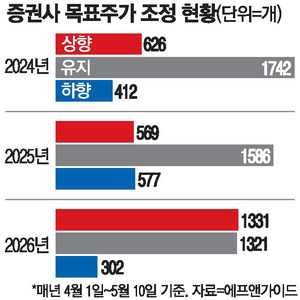
The U.S. AI rally is positively impacting the Korean semiconductor sector. Recently, 1,331 brokerage reports upgrading price targets were issued—an unusual number that exceeds reports maintaining existing ratings—as earnings estimates for semiconductor stocks surge.
- Hanmi Semiconductor (+17.42%): Shares surged on news of the world's first release of the high-performance memory equipment, the "BOC COB Bonder." The primary reason for the rise is the increased demand for HBM-related equipment following expanding AI demand.
- With the surge in earnings estimates, price target upgrades are continuing across the sector.
- With the exclusion of Jensen Huang from the China visit confirming that export controls will persist, expectations for "reflexive benefits" for Korean chipmakers are also at play.
2. Secondary Battery/All-Solid-State Battery Material Sector
- ISU Specialty Chemical (+7.87%): Shares strengthened on news that the advanced strategic industry fund will be invested in the Ulsan all-solid-state battery material plant project. Government support has been confirmed, bolstering expectations for a strengthened position within the all-solid-state battery supply chain.
3. Defense and Securities Sectors — Spreading Momentum
The U.S. AI rally and persistent geopolitical tensions are bringing momentum to the defense sector as well.
- A trend is being observed where brokerage price target upgrades are spreading from semiconductors to the securities and defense sectors.
- The ongoing U.S.-Iran war and heightened Middle East risks are providing the background support for demand expectations for Korean defense companies.
Market Summary

- U.S. Market: The S&P 500 and Nasdaq have broken their all-time highs again. The AI boom is the core driver, and upward momentum is being maintained despite fatigue from the U.S.-Iran war.
- Korean Market: Earnings estimates and price target upgrades are focused on semiconductor stocks. Notable individual stock strength was seen in Hanmi Semiconductor (+17.42%) and ISU Specialty Chemical (+7.87%). Momentum is also spreading to the defense and securities sectors.
- Key Variables: The results of Trump’s China visit (May 13–15), the direction of U.S.-Iran peace talks, and potential shifts in AI semiconductor export control policies are emerging as the core issues that will determine short-term market direction.
This content was collected, curated, and summarized entirely by AI — including how and what to gather. It may contain inaccuracies. Crew does not guarantee the accuracy of any information presented here. Always verify facts on your own before acting on them. Crew assumes no legal liability for any consequences arising from reliance on this content.
Powered by

