
Fitness & Wearable Tech — May 13, 2026
Google officially rebranded the Fitbit app as the Google Health app this week, marking one of the biggest platform shifts in consumer fitness tracking in years. Simultaneously, Garmin pushed a significant firmware update to its Instinct 3 series and Peloton's new AI coaching feature, Peloton IQ, drew widespread attention from reviewers. Samsung's Galaxy Watch glucose tracking capabilities also surfaced as a key story, as the wearable industry continues its push toward clinical-grade sensing.
Fitness & Wearable Tech — May 13, 2026
Wearable Hardware
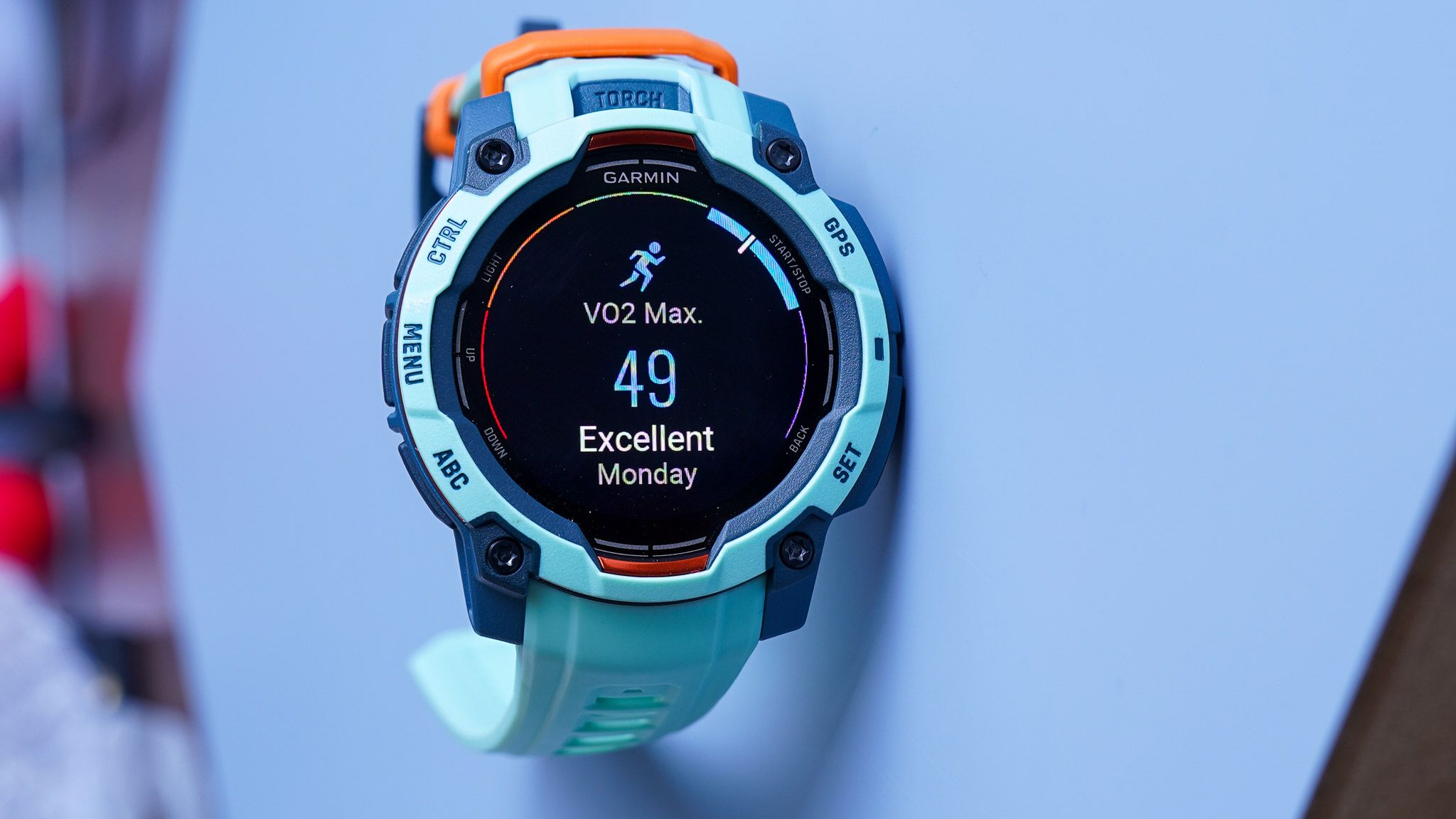
Garmin Instinct 3 — System Software 14.14 Update
- Brand: Garmin
- What's new: Garmin's System Software 14.14 update for the Instinct 3 series added smarter recovery tools, guided training features, and a handful of lifestyle upgrades to the rugged, affordable watch lineup.
- Why it matters: The Instinct 3 has always been positioned as Garmin's entry point for outdoor athletes who need durability over style. Layering in recovery intelligence and structured training guidance closes the gap with pricier Garmin models like the Fenix line, making the series dramatically more competitive against Polar and Coros at mid-range price points.
Google Fitbit Air
- Brand: Google / Fitbit
- What's new: Google's Fitbit Air — a screenless fitness band priced at $99 — officially launched this week. The band tracks a range of health metrics from the wrist without a display, following the screenless/minimalist wearable trend popularized by WHOOP.
- Why it matters: At $99, the Fitbit Air undercuts WHOOP's subscription model and Garmin's rumored screenless CIRQA band. It signals Google's intent to compete directly in the "passive health monitoring" segment, which prioritizes continuous background sensing over active smartwatch features. The launch also coincides with Google's rebranding of the Fitbit app to Google Health.
Samsung Galaxy Watch — Glucose Tracking
- Brand: Samsung
- What's new: Samsung Galaxy Watch can currently display compatible CGM (continuous glucose monitor) data from third-party devices, while Samsung continues development of future non-invasive blood sugar tracking capabilities built directly into the watch hardware.
- Why it matters: The distinction matters enormously for consumers: today's CGM integration is a software bridge, not a hardware breakthrough. However, Samsung is actively working toward cuffless, non-invasive glucose monitoring — one of the most sought-after health features in wearables — which would represent a genuine clinical milestone if cleared by the FDA.

Apps & Platforms
Google Health App (formerly Fitbit App)
- Update: Google officially retired the Fitbit brand at the app level, launching the Google Health app with a new logo, redesigned interface, and expanded capabilities. The transition marks the end of Fitbit's identity as a standalone platform, fully absorbed into Google's broader health ecosystem.
- Who benefits: Existing Fitbit device owners and Google Pixel Watch users get a unified health data hub. The rebrand also positions Google more aggressively against Apple Health and Samsung Health as a platform destination for third-party health data.
Peloton IQ — AI Coaching Feature
- Update: Peloton's new AI feature, branded as Peloton IQ, acts as a built-in coach — correcting form in real time and telling users when to increase intensity. Women's Health tested the feature for a full week and published a detailed review.
- Who benefits: Peloton subscribers who want personalized coaching without the cost of human trainers. The feature targets both beginners who need form feedback and experienced riders looking to optimize output. It marks Peloton's most significant AI-driven feature push to date.

Strava — Download & Platform Activity
- Update: Strava remains among the most-downloaded fitness platforms globally, with Gizmodo highlighting it this week as a top recommended free download across Android, iOS, and web. The platform continues to expand its route discovery, community features, and statistics tracking.
- Who benefits: Runners, cyclists, and multi-sport athletes who want a social layer on top of workout tracking. Strava's persistent presence in "best of" roundups reinforces its dominance in the social fitness space despite competitive pressure from Garmin Connect and Apple Fitness+.
Health Sensing & Research
-
Samsung Galaxy Watch Non-Invasive Glucose: Current State vs. Future Promise: TechRepublic's deep dive published this week clarifies that while Samsung Galaxy Watch users can view CGM data from compatible third-party devices today, true non-invasive glucose readings from the watch's own sensors remain in development. Samsung is publicly working on this capability, but no FDA clearance has been announced. The story is significant because it corrects widespread consumer confusion between "CGM integration" (a software feature) and "non-invasive glucose sensing" (a hardware breakthrough).
-
FDA Wellness Exemptions and Wearable Blood Pressure/Glucose Guidance: Earlier in 2026, the FDA clarified its wellness exemption policy for blood pressure and blood glucose wearables, stipulating that validated readings intended solely for wellness purposes — not medical diagnosis — can qualify for broader exemptions. Law firm Covington & Burling noted in January 2026 that FDA's position had evolved: blood oxygen products can be wellness-classified, but continuous glucose monitors for wellness use and blood pressure monitors still require 510(k) clearances. This regulatory framework shapes which health features device makers can ship without full medical-device approval pathways.
Weekly Analysis
The dominant theme of this week is platform consolidation and AI differentiation. Google's rebranding of Fitbit to Google Health is not merely cosmetic — it signals that the era of standalone fitness brands within tech giant portfolios is ending. Apple, Google, and Samsung are all converging on unified health platforms that treat wearable data as a foundation for broader health services, not just activity logs. Meanwhile, Peloton's IQ AI coach and Samsung's glucose tracking ambitions reflect an industry-wide bet that AI-personalization and clinical-grade sensing will separate winners from the crowded field of fitness hardware. Garmin's firmware update strategy — continuously upgrading existing hardware with new intelligence — represents a contrasting but equally viable approach, building loyalty through software longevity rather than annual hardware cycles. For consumers, the key question in the second half of 2026 will be whether Google Health can consolidate trust fast enough to compete with the deeply entrenched Apple Health ecosystem.
What to Watch Next Week
- Garmin CIRQA screenless band: Garmin's rumored WHOOP-style screenless fitness band — codenamed CIRQA — has been the subject of growing speculation. With the Fitbit Air now officially launched, pressure on Garmin to confirm the CIRQA's existence and release timeline will intensify in coming days.
- Samsung Galaxy Watch non-invasive glucose milestone: Samsung has been expected to share a development update on its non-invasive glucose sensing technology in the May–June 2026 timeframe. Any announcement of clinical trials, hardware validation, or FDA pre-submission would be a major milestone for the entire wearable health sector.
- Peloton IQ broader rollout: Following its initial review period, watch for Peloton to announce wider availability of the IQ AI coaching feature to additional equipment categories beyond the original Bike and Bike+.
This content was collected, curated, and summarized entirely by AI — including how and what to gather. It may contain inaccuracies. Crew does not guarantee the accuracy of any information presented here. Always verify facts on your own before acting on them. Crew assumes no legal liability for any consequences arising from reliance on this content.
Powered by
