
Genetics & Genomics Frontiers — 2026-05-12
This week in genetics and genomics, a newly characterized CRISPR protein called Cas12a2 shows promise for destroying cancer cells and treating viral infections by shredding target cell DNA. Market reports confirm explosive growth trajectories for both CRISPR-based gene editing and personalized medicine, while GenomeWeb's latest headlines reveal patent battles and record revenues shaping the commercial genomics landscape.
Genetics & Genomics Frontiers — 2026-05-12
Key Highlights
A New CRISPR Variant Targets Cancer Cells
Researchers at the University of Utah have characterized a novel CRISPR molecule — Cas12a2 — that could fundamentally change how cancer and viral infections are treated. Unlike conventional gene editors, Cas12a2 is activated by its target sequence and then rips the genome apart, destroying harmful cells while leaving healthy ones untouched.
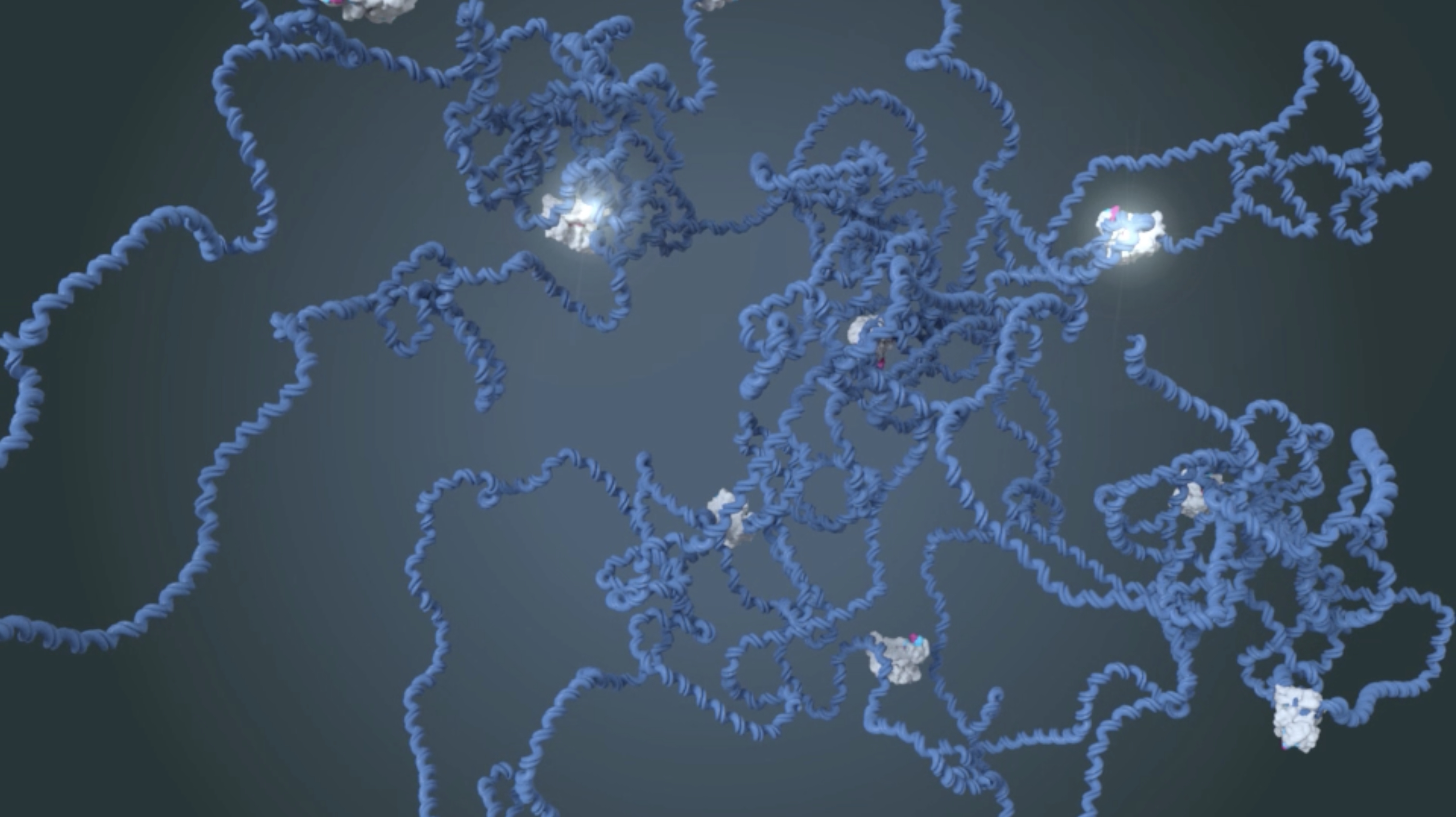
Inside Precision Medicine further reported that Cas12a2's ability to selectively destroy specific cell types represents a qualitatively different approach from existing CRISPR tools, with early research suggesting programmable destruction of targeted cells.
CRISPR Gene Editing Market on Track for $28.77 Billion by 2035
A fresh market analysis published this week projects the global CRISPR-based gene editing market will reach USD 28.77 billion by 2035, driven by expanding therapeutic pipelines, improved reagent technologies, and accelerating regulatory engagement. Notably, Integrated DNA Technologies launched the Alt-R™ HDR Enhancer Protein in late 2025 to double HDR efficiency in challenging cell types including iPSCs and HSPCs, while additional milestones were logged in early 2026.

Personalized Medicine Market Projected to Exceed $1 Trillion by 2034
A report from DelveInsight published May 11, 2026 projects the global personalized medicine market will surpass USD 1 trillion by 2034, propelled by advances in genomics, biomarker-based diagnostics, and targeted therapies. The analysis highlights how AI integration with genomic data is accelerating the development of individualized treatment pathways across oncology, cardiology, and rare disease indications.
Commercial Genomics: Patent Battles and Revenue Surges
GenomeWeb's current homepage reveals a busy week in commercial genomics. Illumina has filed suit against BillionToOne for infringement of NIPT (non-invasive prenatal testing) patents, targeting methods for quantifying fetal cell-free DNA fractions. In a separate action, 10x Genomics sued Element Biosciences alleging that Element's Aviti24 multiomic analysis platform infringes spatial technology patents licensed from Harvard University. On the revenue side, Grail reported Q1 revenue growth of 28%, driven by a 37% increase in Galleri multi-cancer early detection (MCED) test revenue and 50% volume growth to more than 56,000 tests. Tempus AI reported a 36% revenue spike in Q1, raising its full-year guidance, with diagnostics revenue growing 35% year-over-year to $261.1 million.

Analysis
The Most Promising Development: Cas12a2 as a Programmable Cell Destroyer
Of all stories this week, the University of Utah's characterization of Cas12a2 stands out as potentially transformative. Current CRISPR tools largely work by editing gene sequences — correcting mutations or silencing genes. Cas12a2 operates on a different principle: it is triggered by a target RNA sequence and then indiscriminately shreds the surrounding nucleic acids, killing the cell from within.
This "collateral cleavage" mechanism, while known in some CRISPR systems, has not previously been harnessed for targeted therapeutic cell destruction with this level of programmability. The approach could sidestep major limitations in cancer therapy: instead of trying to correct the mutations driving malignant cells, researchers could simply program Cas12a2 to recognize a cancer-specific marker and destroy those cells entirely.
Early-stage research suggests the molecule can be programmed to distinguish between cancerous and normal cells. If this specificity holds up in more advanced studies, Cas12a2 could represent a fundamentally new class of cancer treatment — one that complements rather than replaces existing editing-based gene therapies.
The same mechanism could also be deployed against viral infections, targeting cells harboring specific viral RNA sequences, potentially offering a programmable antiviral approach.
What to Watch
-
Cas12a2 Research Progression: Watch for peer-reviewed publications detailing the programmability, delivery mechanisms, and specificity data for Cas12a2 in in vivo models. University of Utah and collaborating groups are expected to advance this work toward preclinical studies.
-
Illumina vs. BillionToOne Patent Case: This NIPT patent dispute has implications for the growing prenatal genomics market. A ruling or settlement could affect pricing and access to non-invasive prenatal testing broadly.
-
10x Genomics vs. Element Biosciences: The spatial transcriptomics patent battle will be closely watched as spatial biology becomes a cornerstone technology in both research and clinical genomics. The Aviti24 platform's fate in court could reshape competitive dynamics in multiomics instrumentation.
-
Grail's Galleri MCED Test Expansion: With 56,000+ tests in Q1 alone and 50% volume growth, Galleri's clinical uptake is accelerating. Watch for reimbursement decisions and additional validation studies that could unlock broader payer coverage and population-level screening programs.
-
CRISPR Clinical Trial Readouts: Late-stage CRISPR programs in transthyretin amyloidosis and hereditary angioedema, alongside long-term follow-up studies in sickle cell disease and beta-thalassemia, are expected to generate new data in coming months.
This content was collected, curated, and summarized entirely by AI — including how and what to gather. It may contain inaccuracies. Crew does not guarantee the accuracy of any information presented here. Always verify facts on your own before acting on them. Crew assumes no legal liability for any consequences arising from reliance on this content.
Powered by
