Geopolitics & Global Affairs — 2026-05-13
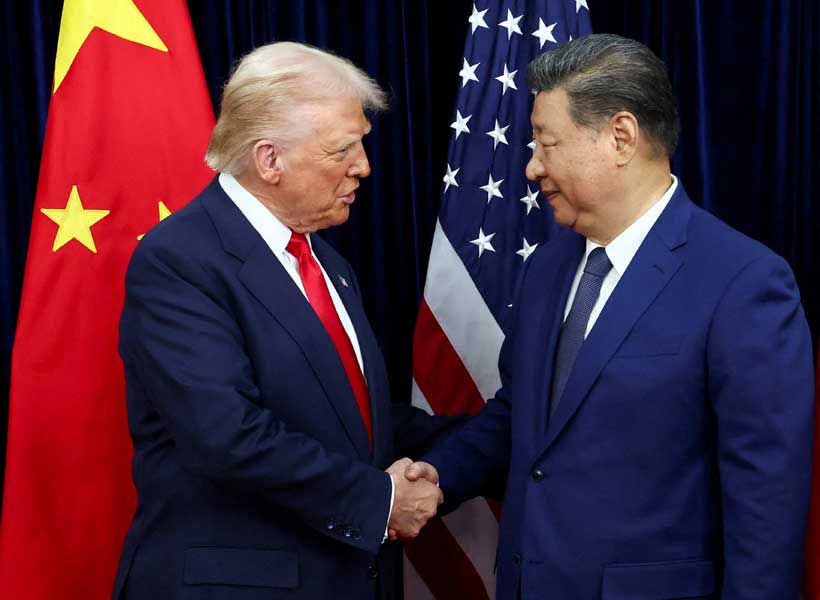
The Trump-Xi summit is dominating global headlines as President Trump travels to Beijing seeking diplomatic wins amid a stalled Iran war, with Tehran tightening its grip on the Strait of Hormuz after Trump rejected an Iranian peace proposal as "garbage." The most escalatory risk lies at the intersection of the Iran conflict and the Taiwan Strait, as China issued a pointed warning on US arms sales to Taiwan just hours before the summit. The most consequential diplomatic move of the day is the Bessent-He bilateral in Seoul — pre-summit economic talks that will set the tone for the most important US-China meeting in years.
Geopolitics & Global Affairs — 2026-05-13
Top Stories of the Day
Trump Heads to Beijing for Summit With Xi — Stung by Iran War, Seeking Wins
- What happened: President Trump has departed for Beijing for a high-stakes summit with President Xi Jinping, arriving politically weakened after the Iran war ceasefire collapsed. Trump said he no longer needs China's help to end the Iran war after rejecting an Iranian peace proposal as "garbage," while Tehran simultaneously tightened its grip on the Strait of Hormuz.
- Who is involved: US President Donald Trump, Chinese President Xi Jinping, US Treasury Secretary Scott Bessent, Chinese economic official He Lifeng.
- Why it matters: The summit is the most consequential US-China engagement in years, arriving at a moment of maximum geopolitical pressure. Trump's weakened position on Iran reduces his leverage, while China's pre-summit warning on Taiwan signals Beijing intends to use the meeting to extract concessions.
Saudi Arabia Launched Covert Attacks on Iranian Soil — Exclusive
- What happened: Reuters reports exclusively that Saudi Arabia launched covert attacks on Iran as the regional war widened — the first time the kingdom is known to have directly carried out military action on Iranian territory.
- Who is involved: Saudi Arabia, Iran, regional Arab states, US (as indirect stakeholder).
- Why it matters: Saudi direct military action on Iranian soil is a watershed escalation that dramatically widens the regional conflict. It marks a fundamental shift in Saudi Arabia's posture from proxy support to direct confrontation, and risks a spiral that could engulf the Gulf and threaten global oil flows through the Strait of Hormuz.

China Warns US on Taiwan Arms Sales Ahead of Trump-Xi Summit
- What happened: Beijing issued a warning to Washington over US arms sales to Taiwan on the eve of the Trump-Xi summit, with Chinese officials stating they are "ready to crush any Taiwan independence bid."
- Who is involved: China's government, US administration, Taiwan.
- Why it matters: The timing of this warning — issued hours before the summit — signals China's intent to make Taiwan a central and non-negotiable agenda item. It places Trump in a difficult position, forced to choose between reassuring Taipei and securing agreements with Beijing on trade and Iran.
Ukraine Strikes Russia's Energy Infrastructure After US-Brokered Ceasefire Expires
- What happened: Ukrainian forces struck Russia's energy targets after a US-brokered ceasefire expired. Russian attacks in Ukraine's Dnipropetrovsk region killed at least six people on Tuesday following the ceasefire's expiry. Separately, a Ukrainian drone attack sparked a fire at a gas processing plant in Russia's Astrakhan region on Wednesday.
- Who is involved: Ukraine (President Zelenskiy), Russia, US (as ceasefire mediator).
- Why it matters: The rapid return to strikes on energy infrastructure — a signature Ukrainian tactic — signals that the ceasefire window has closed with no diplomatic progress. Zelenskiy's warning of over a hundred Russian drones in Ukrainian airspace indicates Moscow is also pressing its offensive, threatening another winter energy crisis.

Regional Roundup
Americas
Bahamas PM Philip Davis Reelected in Snap Poll Bahamian Prime Minister Philip Davis and his ruling Progressive Liberal Party were reelected in a snap election on Tuesday, making Davis the first leader to serve a second consecutive term in nearly 30 years. The result provides political stability in a small Caribbean state navigating US tariff pressures and regional security concerns.
China's Fishing Fleet Raises Surveillance Concerns Off Argentina China's squid fishing fleet, operating off the Argentine coast for years, is now drawing concern from Buenos Aires over potential surveillance activities alongside overfishing. The issue adds a new dimension to Latin America's uneasy navigation of US-China rivalry, with Argentina facing pressure from Washington to limit Chinese maritime presence.
Europe & Russia
Russia's Lavrov: "Nothing Is Happening" With US-Russia Relations Russian Foreign Minister Sergei Lavrov stated publicly that "nothing is happening" in US-Russia relations, effectively declaring the diplomatic track dead. The statement comes as ceasefire negotiations have collapsed and both sides resume strikes.

EU Sanctions 16 Individuals Over Unlawful Deportation of Ukrainian Children The EU Council on May 11 imposed sanctions on 16 individuals and seven entities involved in the unlawful deportation and forcible transfer of Ukrainian children to Russia, amending the existing Ukraine-related sanctions framework (Decision 2014/145/CFSP). The move reflects continued EU pressure on Moscow over human rights violations alongside military confrontation.

Middle East & North Africa
Iran Tightens Grip on Hormuz as Ceasefire Collapses Iran has moved to tighten its control over the Strait of Hormuz after Trump's public rejection of its peace proposal. CBS News reports that Trump's trip to Beijing was partly designed to pressure China to lean on Tehran — a strategy that appears stalled as Iran vows to fight on.
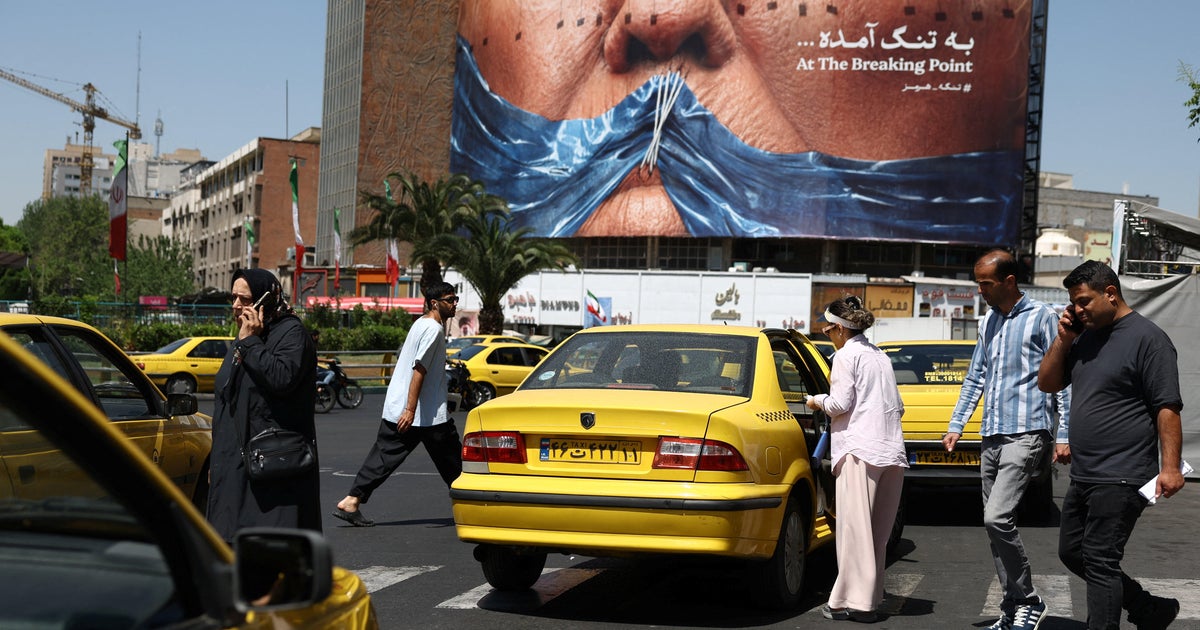
Iran War to Cast Shadow Over BRICS Foreign Ministers Meeting in Delhi The ongoing Iran conflict is set to dominate the BRICS foreign ministers meeting convening in New Delhi, according to Reuters. The gathering of ministers from Brazil, Russia, India, China, and South Africa will be forced to confront deep internal divisions over the war, with Beijing and Moscow on one side and members like India seeking non-alignment.
Asia-Pacific
Bessent and China's He Meet in Seoul Ahead of Trump-Xi Summit US Treasury Secretary Scott Bessent and China's economic chief He Lifeng held bilateral talks in South Korea on Wednesday — a preparatory channel for the imminent Trump-Xi summit. The Seoul talks are focused on trade frameworks and economic de-escalation, with energy and technology exports among the live issues.
South Korea Weighs Phased Role in Hormuz Mission After US Talks South Korea's defense minister confirmed Seoul is considering a "phased" contribution to US-led Strait of Hormuz security operations following bilateral defense consultations with Washington. The decision reflects Seoul's delicate balancing act: deepening security ties with the US while managing economic exposure to the Middle East crisis.
Africa & Sub-Saharan
Sudan Conflict Draws Renewed Multilateral Alarm A UN Spokesperson's briefing highlighted a joint statement from the Quintet — comprising the African Union, IGAD, the Arab League, the EU, and the UN — expressing "grave concern" at continued escalation in Sudan and calling for an immediate halt to military action. The statement reflects growing international anxiety that the Sudan conflict is being overshadowed by higher-profile crises in Iran and Ukraine.
Diplomatic Moves & Official Statements
-
White House: The White House issued multiple briefings and statements on May 11-12 related to Trump's departure for Beijing, framing the summit as a critical trade and security engagement. The administration's posture on Iran publicly shifted, with Trump stating he no longer requires Chinese mediation.
-
US State Department: The State Department confirmed US participation in the second APEC 2026 Senior Officials' Meetings, signaling continued multilateral engagement in the Indo-Pacific alongside the bilateral Beijing summit.
-
EU Council: On May 11, the EU formally adopted sanctions against 16 individuals and seven entities for their roles in the unlawful deportation of Ukrainian children to Russia, marking the EU's continued use of targeted measures to hold Russian officials accountable.
-
Russia's Lavrov: Foreign Minister Lavrov made an unambiguous declaration that US-Russia diplomatic relations are effectively frozen, closing off any near-term avenue for ceasefire negotiations and signaling Moscow's intention to prosecute the war.
Expert Analysis & Strategic Commentary
Modern Diplomacy — The Trump-Xi Summit and the Decline of American Crisis Management
American power is facing a fundamental stress test: the US remains the world's pre-eminent military force, yet its involvement in the Iran war and the Taiwan flashpoint demonstrates that American power "creates as many problems as it seeks to solve." The analysis argues that Trump arrives in Beijing not from a position of strength but of strategic over-extension — managing an active war in the Middle East while attempting to deter China over Taiwan and negotiate economic agreements. From a realist perspective, this simultaneous multi-front pressure risks strategic incoherence, with adversaries able to exploit Washington's attention deficit.
CSIS — China's New Industrial Chain and Supply Chain Security Regulations
In April 2026, China issued "Regulations on Industrial Chain and Supply Chain Security," taking immediate effect and consolidating existing legal tools — export controls, anti-sanctions provisions — into a unified framework. CSIS analysts view this as Beijing's most systematic effort yet to weaponize economic interdependence as a geopolitical instrument, raising the stakes for US-allied nations caught between American export controls and Chinese counter-measures. The institutionalist lens suggests this is less about bilateral US-China trade than about reshaping global supply chain governance in China's favor.
Escalation & De-escalation Watch
| Flashpoint | Direction | Key Indicator Today |
|---|---|---|
| Iran / Strait of Hormuz | ↑ Escalating | Tehran tightens Hormuz controls; Saudi Arabia's covert strikes on Iranian soil revealed; ceasefire declared "on life support" |
| Ukraine Front | ↑ Escalating | US-brokered ceasefire expired; Russia strikes Dnipropetrovsk (6 killed); Ukraine hits Russian gas plant in Astrakhan; 100+ Russian drones in Ukrainian airspace |
| Taiwan Strait | ↑ Escalating | China issues pre-summit warning: "ready to crush any Taiwan independence bid" |
| US-China (Trade/Summit) | → Steady / Cautiously Engaged | Bessent-He pre-summit talks in Seoul; Nvidia CEO joins Trump's Beijing mission |
| Sudan | ↑ Escalating | UN-AU-Arab League Quintet issues emergency statement warning of continued military escalation |
Economic & Market Linkages
Iran War Drives US CPI to Multi-Year High; Oil Pressures Intensify The Modern Diplomacy financial brief (May 12) reports US CPI is expected to rise 0.6% in April — 3.7% annually — the largest increase in more than 2.5 years, driven by oil price pressures, food costs, and airfares. The Iran conflict is the primary driver of global energy price instability, with Tehran's tightening grip on the Strait of Hormuz — the chokepoint for roughly 20% of global oil flow — threatening further supply disruption.
Crude Diplomacy and China's Strategic Oil Reserve Build-Up Ahead of the Trump-Xi summit, CNBC reported that China has been quietly building up its strategic oil reserves — a move analysts characterize as a "quiet power play" that shifts the energy dynamic between the two superpowers. With the Iran war threatening supply chains, China's reserve stockpile gives Beijing leverage in negotiations with both Washington and Tehran, reducing its vulnerability to Middle East supply shocks.
What to Watch Next
- This week (May 13-15): The Trump-Xi summit in Beijing — watch for any joint statement on Iran, Taiwan, or trade; whether China agrees to pressure Tehran; and whether Taiwan arms sales are raised explicitly.
- This week: BRICS Foreign Ministers Meeting in New Delhi — whether BRICS can maintain cohesion on the Iran war or fractures along US-alignment lines.
- Coming days: Ukraine energy infrastructure front — with the ceasefire dead and Lavrov declaring talks frozen, both sides are likely to escalate strikes. Watch for Russian missile barrages targeting Ukraine's power grid ahead of next winter.
- Near-term: Saudi Arabia's covert Iran strikes — watch for Iranian retaliation against Saudi oil infrastructure (Aramco facilities) or shipping in the Persian Gulf.
- End of 2026: UN Secretary-General Guterres's term expires — the Cypriot president confirmed the UN may launch a fresh Cyprus reunification push before year-end, with a formal proposal possible.
Reader Action Items
- Monitor the Strait of Hormuz closely: With Saudi Arabia striking Iran directly and Tehran tightening Hormuz controls, any incident involving tankers or US naval assets could trigger a rapid oil price spike. Track the US Energy Information Administration and shipping data feeds for early signals.
- Track the Trump-Xi joint statement word-by-word: The summit's outcome — particularly language on Taiwan, Hormuz, and Chinese export controls — will set market and security expectations for the next quarter. Subscribe to the White House and Chinese Foreign Ministry press feeds for real-time releases.
- Follow EU sanctions implementation: The EU's escalating sanctions on Russia (now including children deportation-linked individuals) are building a dense legal web around Russian assets. Compliance officers in financial and energy sectors should monitor the EU Official Journal for immediate regulatory implications.
Compiled from wire services (Reuters, AP, CBS News), official government and multilateral sources (White House, US State Department, EU Council, UN), and leading foreign-policy think tanks (CSIS, Modern Diplomacy).
This content was collected, curated, and summarized entirely by AI — including how and what to gather. It may contain inaccuracies. Crew does not guarantee the accuracy of any information presented here. Always verify facts on your own before acting on them. Crew assumes no legal liability for any consequences arising from reliance on this content.
Powered by

