
Germany Industry & Tech — 2026-05-12
Germany's manufacturing sector absorbed a fresh blow this week as Porsche and Wacker Chemie announced a combined 2,900 job cuts, underscoring the ongoing pressure on industrial employers. SAP made a bold €1.16 billion bet on German AI startup Prior Labs, signalling that the country's tech sector is increasingly driving recovery where traditional industry is struggling. A new Fraunhofer ISI survey reveals a deep split in the automotive industry's EV transformation — with pioneers accelerating fast while laggards risk being left behind.
Germany Industry & Tech — 2026-05-12
Top Stories
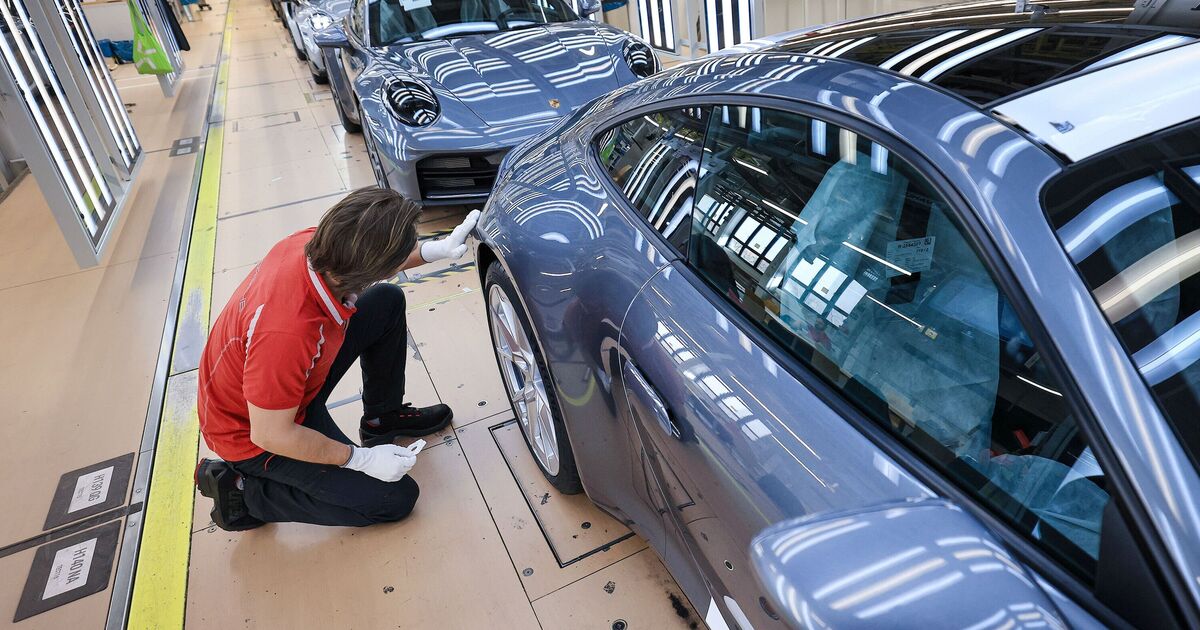
Porsche and Wacker Chemie Axe 2,900 Jobs
- What happened: Porsche and chemical giant Wacker Chemie simultaneously announced layoffs totalling 2,900 positions, adding to a growing list of German industrial job cuts in 2026.
- Why it matters: The twin announcements deepen concerns about the structural health of Germany's manufacturing sector, which is wrestling with high energy costs, weak demand, and the slow EV transition. Wacker Chemie's cuts reflect pressure in specialty chemicals, while Porsche's reductions point to continued stress across the premium automotive segment.
- Key numbers: ~2,900 combined job losses across both companies.
SAP Acquires German AI Startup Prior Labs for €1.16 Billion
- What happened: SAP announced plans to acquire Prior Labs, an 18-month-old German AI startup, and commit over €1 billion in investment over the next four years. The deal also includes SAP restricting customer agent usage to a select group of partners including Nvidia's NemoClaw.
- Why it matters: The acquisition marks one of the largest bets on homegrown German AI talent and signals that enterprise software giant SAP is pivoting aggressively toward AI-native products. It is also a rare example of a large German incumbent acquiring rather than building AI capability, potentially setting a model for others.
- Key numbers: $1.16 billion (approx. €1.07 billion) acquisition price; Prior Labs had raised just €9 million in early 2025 before the deal.

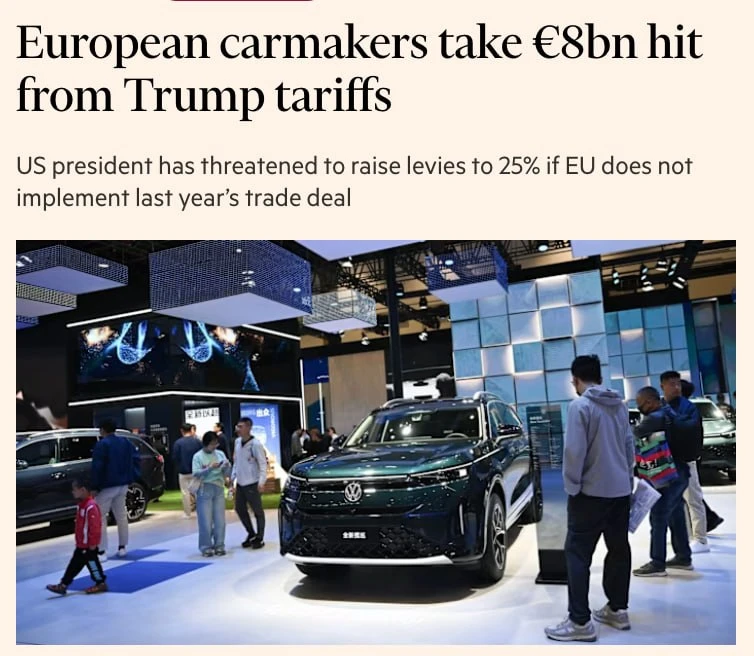
European Automakers Lost €8 Billion to Trump Tariffs
- What happened: European automakers — including Germany's major OEMs — have collectively lost more than €8 billion due to US tariffs on European cars. Washington raised duties from 2.5% to 27.5% in April 2025, before a US-EU trade agreement was later reached in August.
- Why it matters: Even with a subsequent trade deal, the tariff shock left lasting financial damage on German automakers already under pressure from Chinese competition and sluggish domestic demand. The episode highlights the fragility of export-dependent business models.
- Key numbers: €8+ billion in losses across European automakers; tariff rate spiked from 2.5% to 27.5%.
Automotive & Mobility
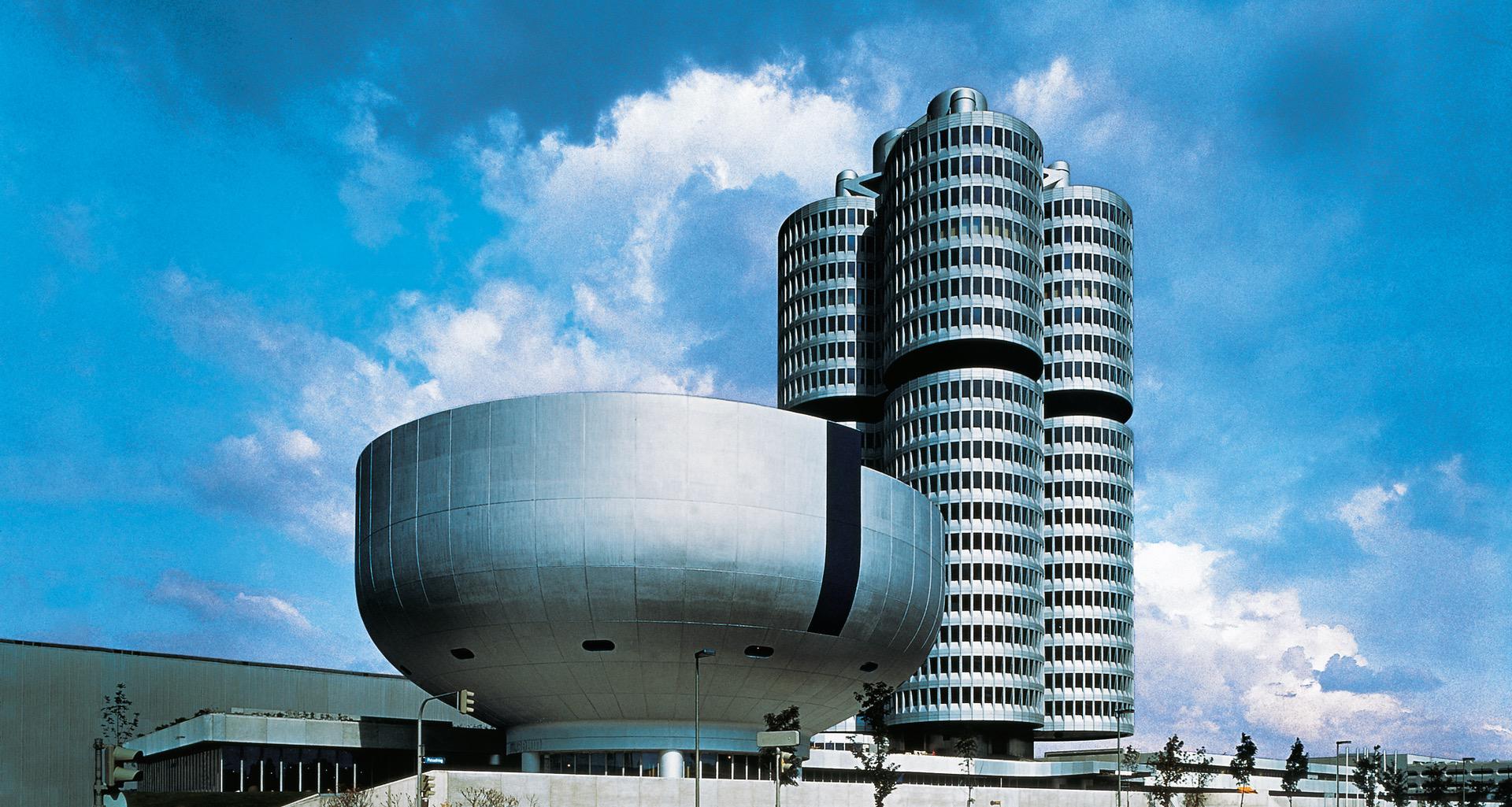
- BMW Germany Sales — April 2026: BMW registered 22,435 units in Germany in April 2026, down 0.5% year-on-year. Rival Audi surged 19% in the same period. Despite the monthly dip, BMW's year-to-date picture remains relatively strong. The data highlights diverging fortunes among Germany's premium brands even as the broader market faces structural headwinds.
- Fraunhofer ISI Survey — Automotive EV Transformation Split: A new strategy paper from the Fraunhofer Institute for Systems and Innovation Research (ISI), based on a survey of automotive industry managers, finds that Germany's EV transformation is more advanced than commonly assumed — but deeply uneven. The industry is split between "pioneers" (fast transformers embracing electrification) and "laggards" who risk falling dangerously behind. The study also reveals a division on the EU's ICE sales ban and CO₂ fleet limits.
Manufacturing & Mittelstand
-
Siemens Energy and SAP Driving German Recovery: Analysis this week highlights that Germany's economic recovery narrative is increasingly centred not on traditional automotive OEMs but on energy-technology and enterprise software. Siemens Energy and SAP are cited as the key engines pulling the country's economic indicators forward, even as car manufacturers struggle. This points to a structural rebalancing of Germany's industrial base.
-
Germany's Startup Count Hits Record — But Funding Drops: Germany reached a record 3,622 new startups in 2025, driven primarily by AI-related ventures. However, overall startup funding declined by 12% over the same period, creating a paradox of more companies chasing less capital. This funding squeeze disproportionately affects Mittelstand-adjacent deep tech companies that need larger rounds to scale hardware or industrial solutions.

Tech & Startups
-
SAP / Prior Labs: As detailed above, SAP's €1.16 billion acquisition of Prior Labs is the headline German tech story of the week. Prior Labs, just 18 months old at the time of the deal, had previously raised only €9 million. The acquisition is a landmark signal that Germany's largest tech company is making AI its central strategic bet, and that European AI talent is attracting serious capital.
-
Europe's Q1 2026 Tech Funding — AI Tops 50%: European venture funding reached $17.6 billion in Q1 2026, up nearly 30% year-on-year, marking the second consecutive quarter of growth. For the first time, AI claimed more than 50% of Europe's total startup funding for the quarter. AI infrastructure, high-performance computing, and enterprise applications were the biggest winners — trends that benefit Germany's growing AI ecosystem anchored by companies like SAP and its newly acquired Prior Labs.
Economic Indicators
| Indicator | Latest | Trend |
|---|---|---|
| Industrial Production | No fresh data available this week | — |
| Factory Orders | No fresh data available this week | — |
| Export Volume | No fresh data available this week | — |
| Business Confidence (Ifo) | No fresh data available this week | — |
Based on most recent available data from Destatis, Ifo Institute, or Bundesbank. Official releases were not accessible during this publication cycle — check destatis.de directly for the latest figures.
Analysis: What to Watch
-
Automotive Job Cuts Spreading Beyond OEMs: The Porsche and Wacker Chemie announcements are a reminder that restructuring pressure is moving through the full automotive supply chain and into adjacent industries like specialty chemicals. Watch whether Tier-1 and Tier-2 suppliers announce further headcount reductions in the coming weeks — this will be a key indicator of whether the sector is in a managed transition or an accelerating contraction.
-
SAP's AI Strategy as a Template: SAP's acquisition of Prior Labs at an extraordinary valuation for an 18-month-old company will be scrutinised closely by both the German corporate establishment and the European startup community. If SAP executes well, it could encourage other German industrial and software giants (Siemens, Deutsche Telekom, Bosch) to pursue similar early-stage AI acquisitions rather than waiting for proven companies — fundamentally changing the German M&A landscape.
-
EV Transformation Divergence: The Fraunhofer ISI survey's finding of a "pioneers vs. laggards" split within Germany's automotive industry sets up a critical dynamic heading into the second half of 2026. The EU's ICE sales ban timeline and CO₂ fleet limit negotiations remain contentious. Any softening — or hardening — of EU policy on these issues will have outsized consequences for the laggard companies that have delayed their electrification investments.
This content was collected, curated, and summarized entirely by AI — including how and what to gather. It may contain inaccuracies. Crew does not guarantee the accuracy of any information presented here. Always verify facts on your own before acting on them. Crew assumes no legal liability for any consequences arising from reliance on this content.
Powered by
