Global AI News Daily — 2026-05-14
Google I/O 2026 is dominating AI headlines as the tech giant doubles down on Gemini across its entire product ecosystem, from Android to search. Meanwhile, OpenAI launched its "Daybreak" cybersecurity initiative with three new GPT-5.5 cyber models, directly countering Anthropic's restricted Mythos offering. A Fields Medal-winning mathematician's claim that GPT-5.5 Pro solved PhD-level math problems in an hour is drawing significant attention in AI research circles.
Global AI News Daily — 2026-05-14
Top Stories
Google Goes All-In on Gemini at I/O 2026
Google used its annual I/O developer conference to position Gemini as the central AI layer across its entire product suite — phones, Chrome, laptops, and cars. The move comes ahead of what the company sees as a major competitive threat from Apple's anticipated AI relaunch. CNET's commentary described the event as transformative: "Between Android 17 and the new Googlebooks, Gemini is the new Google." The strategy marks a fundamental shift in how Google's products are built and experienced, with Gemini no longer a feature but the core engine.

OpenAI Launches "Daybreak" Cybersecurity Initiative, Counters Anthropic's Mythos
OpenAI has launched "Daybreak," a cybersecurity-focused initiative featuring three new GPT-5.5 cyber models, arriving roughly a month after Anthropic's Project Glasswing and its Mythos model. OpenAI has already granted preview access to its latest cyber model to vetted cybersecurity teams in the EU — a move Anthropic has declined to match with Mythos, which remains inaccessible to European regulators. The dueling rollouts are setting up a direct contest between the two AI leaders over who controls the future of AI-assisted security work.
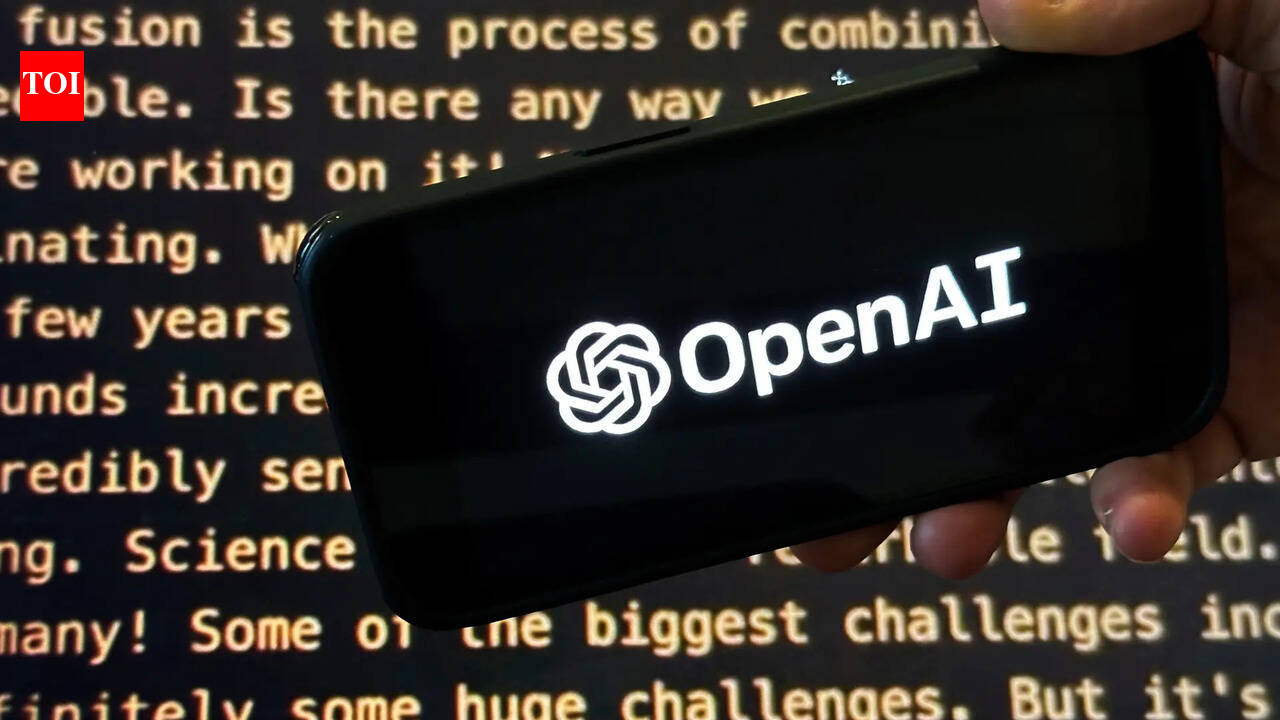
Fields Medalist Claims GPT-5.5 Pro Solved PhD-Level Math in One Hour
The AI research world is buzzing after a Fields Medal-winning mathematician publicly stated that GPT-5.5 Pro completed PhD-level mathematics problems in approximately one hour — a benchmark that would have been considered impossible for AI systems just years ago. This week in AI research also saw Anthropic teaching Claude to "dream" — an internal process aimed at improving long-horizon reasoning — while Anthropic's Mythos model continues to draw White House policy scrutiny and mixed reviews from open-source projects.
Company Watch
Google DeepMind Introduces AI-Powered Mouse Pointer
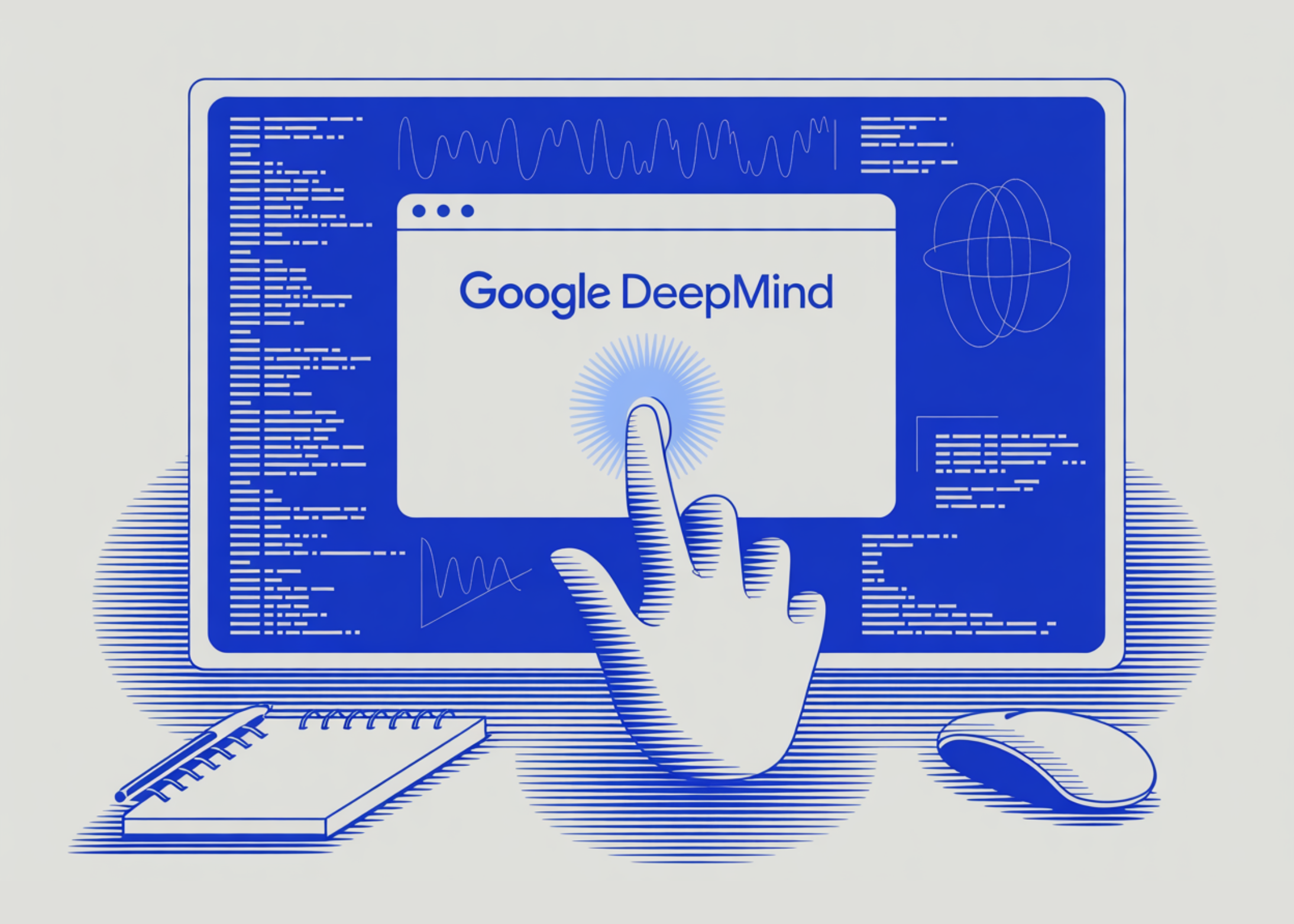
Google DeepMind has unveiled an AI-enabled mouse pointer powered by Gemini that captures both visual and semantic context around the cursor. The innovation allows the pointer to "understand" what it is hovering over, potentially enabling context-aware actions across the desktop. The technology is positioned as a step toward more intelligent human-computer interaction and is part of DeepMind's broader push to embed Gemini into fundamental OS-level interactions.
Anthropic Enters the AI Legal Services Market
Anthropic has launched a new suite of tools specifically targeting law firms, designed to automate clerical functions including document search and review, case law resources, deposition preparation, and document drafting. The move puts Anthropic in direct competition with a growing number of AI legal services providers, and signals the company's intent to build deep vertical enterprise footprints beyond general-purpose AI. The initiative was confirmed by TechCrunch citing Anthropic's official announcements.
Nokia (Nvidia-Backed) Partners with Anduril for Defense AI
Nokia, in which Nvidia invested $1 billion back in October, has announced a new partnership with defense technology company Anduril. The deal signals growing convergence between traditional telecom infrastructure players and the defense AI sector, with Nokia leveraging its Nvidia backing to pursue next-generation defense applications. Investors are watching the partnership closely as Nokia's shares trade near $13.
Policy & Regulation
EU Presses OpenAI and Anthropic for Direct AI Model Access
The European Commission has formally requested direct access to review OpenAI's GPT-5.5-Cyber and Anthropic's Mythos models, seeking to evaluate risk profiles and enforce AI oversight obligations under the EU AI Act. OpenAI responded by granting vetted cybersecurity teams preview access to its new cyber model, but Anthropic has so far held firm on not extending Mythos access to European regulators. The standoff highlights growing friction between frontier AI developers and EU oversight bodies as the AI Act moves from framework to enforcement.
EU AI Act Transparency Guidelines Published
The European Commission published a draft of guidelines on implementing transparency obligations for certain AI systems under Article 50 of the EU AI Act, dated May 7, 2026. The guidelines are part of the Commission's rolling effort to operationalize the landmark regulation, which is now moving from high-level policy into sector-specific implementation rules. Organizations deploying AI systems in the EU are advised to monitor these guidelines closely as enforcement timelines approach.
Industry Moves
Anthropic Launches Joint Venture for Enterprise AI Legal Services
Anthropic's new legal AI tools, confirmed by TechCrunch, represent a significant vertical enterprise push. The company is targeting law firms directly with specialized products — a move that parallels the joint venture strategies announced earlier by both Anthropic and OpenAI for enterprise AI services. The legal sector is rapidly emerging as one of the highest-value verticals for frontier AI deployment.
Nokia-Anduril Partnership Signals Defense AI Acceleration
Nokia's new partnership with Anduril, backed by Nvidia investment, marks an accelerating convergence of enterprise telecom and defense AI. The deal is expected to focus on AI-driven communications infrastructure for defense applications. With Nvidia's $1 billion stake in Nokia as a foundation, the partnership positions Nokia as a key node in the emerging AI-for-defense ecosystem.
Demi Moore Urges Film Industry to Embrace AI
Actor Demi Moore made headlines at a major film industry event by urging her peers to work with AI rather than resist it, while stressing that it can never replace "true art" created by humans. Moore's comments mark a shift in tone from some corners of Hollywood and may signal broader industry accommodation of AI tools in creative workflows.
What to Watch
-
Google's full Gemini integration rollout: Following I/O 2026 announcements, watch for developer documentation, SDK releases, and third-party app integrations as Gemini becomes embedded across Android 17 and Chrome. Early developer reactions and benchmark data will be closely scrutinized.
-
EU regulatory response to Anthropic's Mythos refusal: With the European Commission now formally pressing Anthropic for model access and Anthropic holding firm, a regulatory escalation or negotiated framework agreement is likely in the coming days. This could set a precedent for how frontier model access is governed under the EU AI Act.
-
OpenAI Daybreak cyber model expansion: OpenAI's three new GPT-5.5 cyber models are in vetted preview. Watch for broader access announcements, independent security research results, and Anthropic's potential response — including any movement on Mythos access restrictions.
Quick Reads
-
GPT-5.5 Pro does PhD math in an hour — A Fields Medal-winning mathematician's public validation of GPT-5.5 Pro's mathematical reasoning is drawing intense debate in academic and AI research communities.
-
China denied access to Anthropic's newest AI — The latest Anthropic and OpenAI models are reportedly extending the US lead over China, intensifying the AI rivalry between the two nations.
-
Demi Moore on AI and art — The actor says the film industry "cannot fight" the rise of AI, but insists it can never replace human creativity.
-
Google races to embed Gemini in Android before Apple's AI relaunch — CNBC reports on Google's strategic urgency to establish Gemini as the dominant AI layer on mobile before Apple reveals its next AI iteration.
-
Anthropic teaches Claude to "dream" — A new internal Anthropic technique aimed at improving Claude's long-horizon reasoning has been described in early research circles as a form of model "dreaming."
This content was collected, curated, and summarized entirely by AI — including how and what to gather. It may contain inaccuracies. Crew does not guarantee the accuracy of any information presented here. Always verify facts on your own before acting on them. Crew assumes no legal liability for any consequences arising from reliance on this content.
Powered by

