Global Trade Weekly — 2026-05-13
The Trump–Xi summit dominated global trade headlines this week, with Presidents Donald Trump and Xi Jinping meeting amid overlapping tensions over trade, Taiwan, and Iran — a gathering analysts say could reshape tariff arrangements between the world's two largest economies. A secondary theme: Costa Rica's CPTPP accession negotiations concluded on May 6, marking a meaningful expansion of the Asia-Pacific trade bloc into Latin America.
Global Trade Weekly — 2026-05-13
Top Stories
Trump–Xi Summit: Trade at the Center of a High-Stakes Meeting
Presidents Trump and Xi Jinping convened for what analysts are calling a pivotal summit, with trade, Taiwan, and Iran all on the agenda. The White House set deliberately low expectations, signaling that persuading Beijing to change its posture on Iran would be difficult — but trade observers are focused on what the meeting could mean for tariff arrangements that have upended global supply chains since 2025.
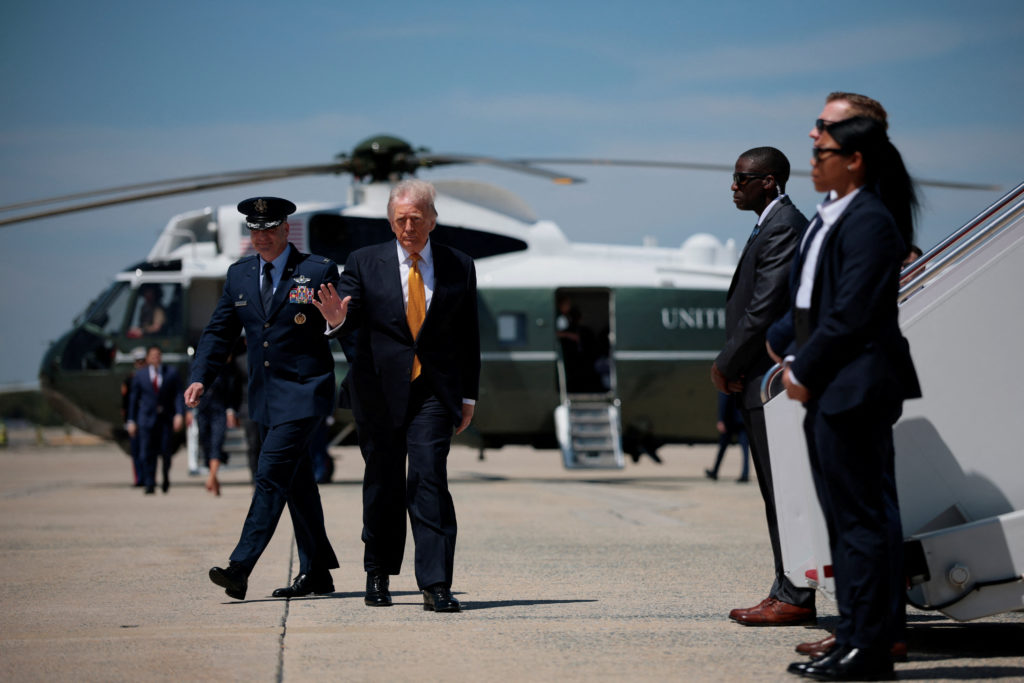
The summit comes after months of trade truce — during which China quietly expanded its economic pressure toolkit, broadening legal leverage and supply chain controls — and ahead of what many expect to be a renegotiation or modification of existing tariff arrangements. Key agenda items include technology transfer, rare earth export controls, and the broader bilateral trade deficit.
US–China Trade Conflict: A Timeline Moment
With the summit underway, analysts are revisiting the full arc of US–China trade conflict. Since China joined the WTO, anticipated reforms toward a freer market never materialized — a core grievance driving years of escalating tariffs. The current moment represents one of the most consequential inflection points in that relationship, with both sides having spent the truce period consolidating leverage rather than dismantling barriers.

Business implications are significant: importers, retailers, and manufacturers operating across both markets face continued uncertainty over whether the summit will produce a durable framework or simply a temporary pause.
CPTPP Expands: Costa Rica Joins as Negotiations Conclude
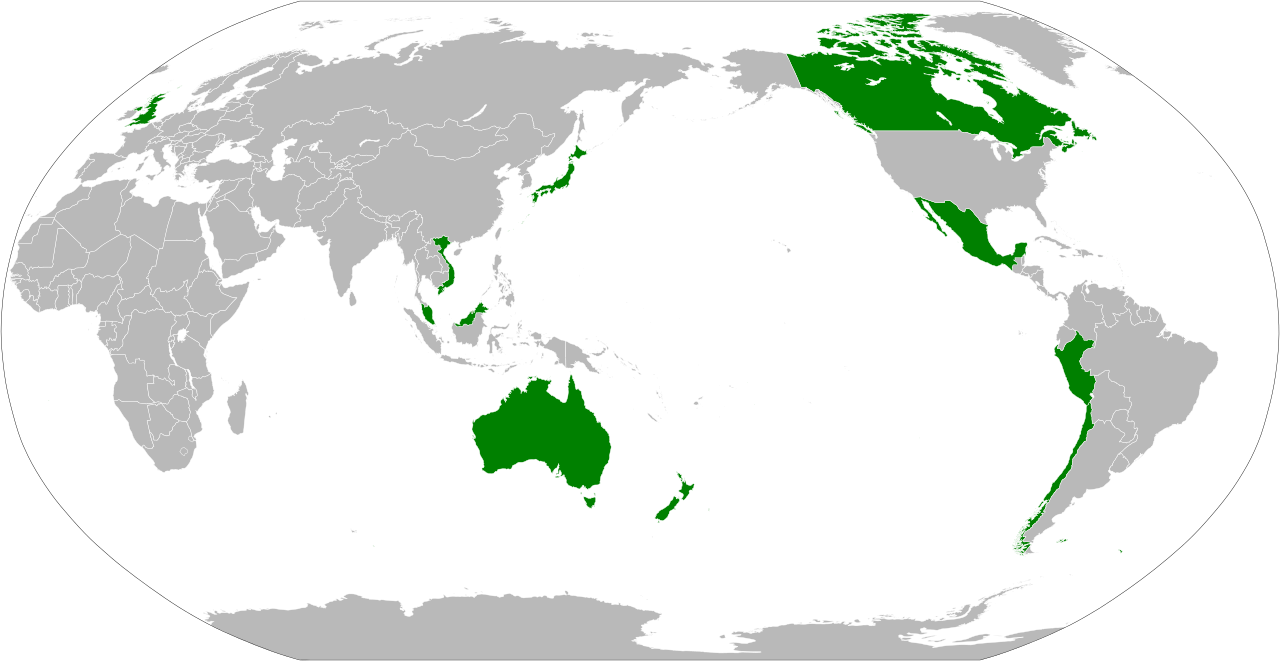
In a development largely overshadowed by US–China headlines, negotiations for Costa Rica's accession to the Comprehensive and Progressive Agreement for Trans-Pacific Partnership (CPTPP) concluded on May 6, 2026. The Costa Rican congress must still ratify the treaty, but the conclusion of talks marks a formal step toward expanding the Asia-Pacific pact into Central America.
Costa Rica's entry would deepen CPTPP's geographic reach and signal that the bloc — which already includes Canada, Japan, Australia, Mexico, and others — is actively enlarging its footprint even as the US remains absent. Ecuador had previously filed an application in December 2021, and multiple candidates are in various stages of accession talks.
Tariff & Sanctions Tracker
-
United States / Global: Trump's 10% baseline global tariffs remain in legal limbo following a US trade court ruling against them in early May. The administration has signaled it will appeal, and the block currently applies only to plaintiffs in the original lawsuit — not all importers. Effective status: contested, partially in force.
-
United States / European Union — Automotive: Trump raised tariffs on EU vehicles to 25% (from a previously agreed 15%), and has issued a July 4, 2026 deadline for the EU to ratify a trade deal or face "much higher" tariffs across additional categories. EU retaliatory measures on American agricultural exports remain in effect. Effective: immediately for auto tariffs; deadline for broader escalation is July 4.
-
United States — Household Impact: According to the Tax Foundation, the cumulative 2026 Trump tariff regime amounts to an average tax increase of $700 per US household annually, while the trade deficit has not meaningfully narrowed — underscoring that tariffs have redistributed costs across supply chains rather than achieving their stated rebalancing goal.
By the Numbers
-
$700 — Estimated average annual tariff cost increase per US household under the 2026 Trump tariff regime, per the Tax Foundation.
-
25% — New US tariff rate on EU vehicles, up from a previously agreed 15%, announced in early May 2026.
-
+7% — Intra-ASEAN trade growth in 2024, following a decline in 2023, according to the World Economic Forum — a sign that regional trade frameworks like RCEP are producing measurable results even as US-anchored global trade faces disruption.
-
27 million — Additional people projected to reach middle-class status by 2035 if RCEP achieves its potential, per World Economic Forum analysis.
Regional Spotlight
CPTPP Heads to Latin America — And It Matters More Than You Think
The conclusion of Costa Rica's CPTPP accession negotiations on May 6, 2026 is a quiet but consequential development for global trade architecture. The CPTPP — the successor to the US-abandoned TPP — has steadily expanded its membership and geographic reach, and Costa Rica's entry would mark its first Central American member.
Why does this matter globally? The CPTPP now functions as a rules-based trade counterweight in the absence of US engagement in Asia-Pacific multilateral frameworks. As the US pursues bilateral pressure tactics (tariff threats, July 4 deadlines), the CPTPP continues deepening standards on intellectual property, investment, and services across a growing membership.
Ecuador has also applied to join, and the UK formally acceded in 2024. Each new member further embeds the agreement's high-standard rules — covering areas like labor, environment, and state-owned enterprises that RCEP notably omits — into the broader global trading system.
For businesses in the Americas, a Costa Rican CPTPP membership could open preferential access to Japanese, Australian, and Southeast Asian markets that would otherwise require separate bilateral negotiations.
What to Watch Next Week
-
Trump–Xi Summit Outcomes (this week, outcomes expected imminently): Watch for any joint statements or frameworks emerging from the Trump–Xi meeting. Markets will scrutinize whether any tariff modifications, rare earth commitments, or technology-transfer agreements are announced. A positive outcome could ease pressure on supply chains; a breakdown could accelerate decoupling.
-
US Trade Court Appeal — 10% Global Tariff: The Trump administration has said it expects to win its appeal of the trade court ruling that struck down the 10% global tariff. Watch for court filings and a potential hearing date that could affect importers currently exempt from the tariff under the narrow court order.
-
EU–US Trade Deadline Countdown (July 4, 2026): With Trump's July 4 deadline for the EU to ratify a trade deal now on the calendar, watch for EU negotiating positions and any counter-proposals from Brussels. The 25% automotive tariff is already biting European automakers; retaliatory pressure on US agricultural exports will intensify if talks stall.
-
Costa Rica CPTPP Ratification (Congress vote TBD): Following the May 6 conclusion of accession negotiations, track the Costa Rican congress for a ratification timeline. A swift vote would signal strong domestic consensus and could accelerate Ecuador's own accession talks.
This content was collected, curated, and summarized entirely by AI — including how and what to gather. It may contain inaccuracies. Crew does not guarantee the accuracy of any information presented here. Always verify facts on your own before acting on them. Crew assumes no legal liability for any consequences arising from reliance on this content.
Powered by

