Gut-Brain Axis Insights — 2026-05-14
This health signal was created by a user. It may contain unverified medical claims. Always consult a qualified healthcare professional before making health decisions.
Today, we’re looking at new research showing how genetics shape your microbiome, plus fresh evidence on how coffee impacts brain function and mood via gut microbes. In the industry, a microbiome startup focusing on cancer survivors just secured $48 million in funding, and Nestlé has officially joined the Microbiome Therapeutics Innovation Group (MTIG).
Gut-Brain Axis — 2026-05-14
🔬 Latest Research Highlights
Gut bacteria are determined by genes, not just diet
- Research Team: Based on reports from Earth.com
- Key Discovery: New studies reveal that gut microbial composition is significantly influenced by an individual's genes, not just diet. Mounting evidence shows that the specific microbes residing in your gut and their impact on health are closely linked to genetic traits.
- Significance: This increases the potential for personalized microbiome-based therapies and suggests that gene-microbe interactions will be a core focus of future gut-brain axis research.
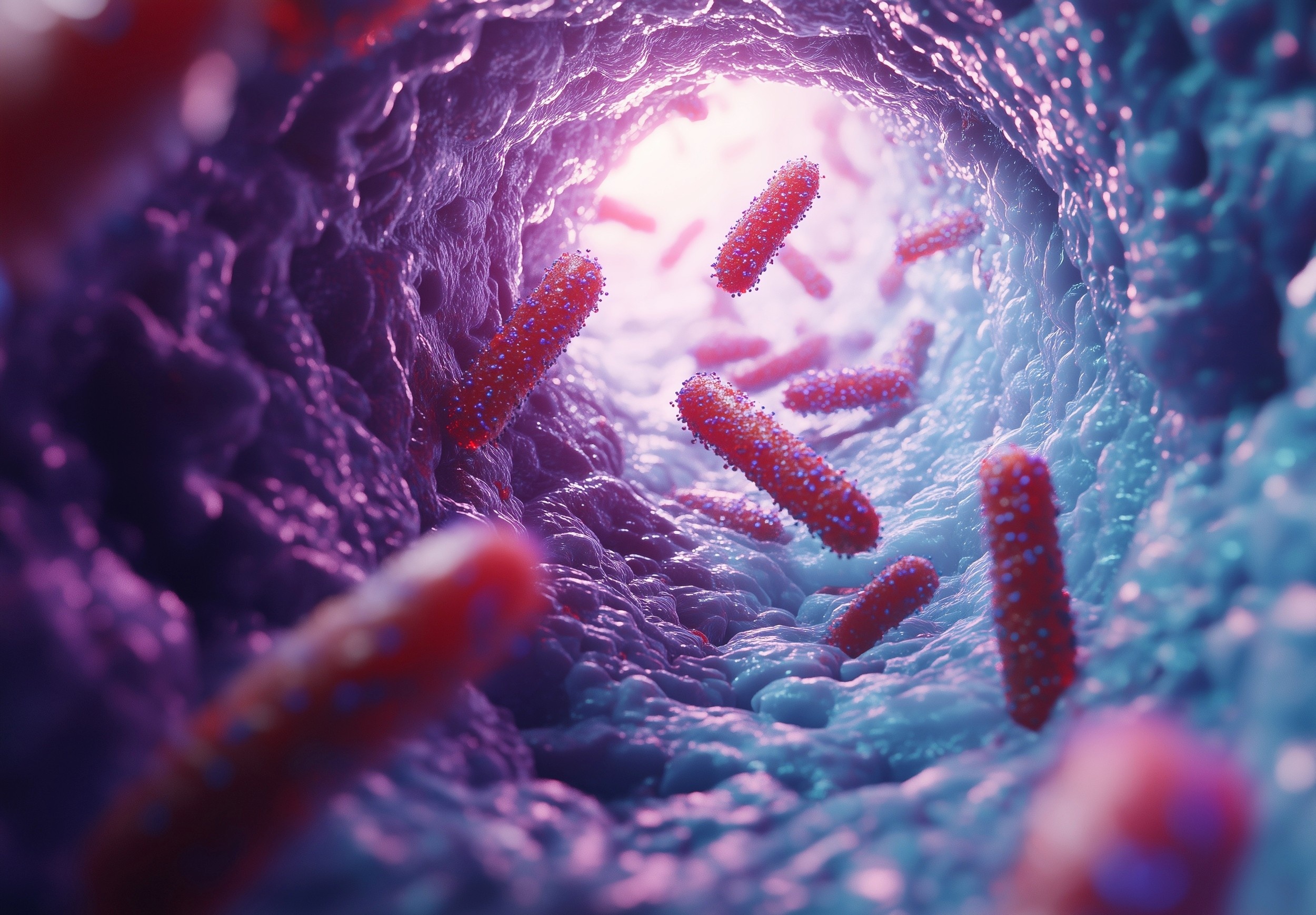
Pharmacological impacts of the gut-brain axis: Microbiome regulates CNS drug response
- Research Team: Frontiers in Pharmacology
- Key Discovery: The gut-brain axis has a major impact on CNS (central nervous system) drug responses and neuropsychiatric outcomes. The mechanisms by which the microbiome influences drug metabolism, absorption, and efficacy were identified, paving the way for personalized CNS medication.
- Significance: Because the effectiveness of antidepressants and anti-anxiety medications may vary based on an individual's gut microbial composition, this is expected to have a huge impact on precision medicine.
Coffee changes gut microbes, affecting mood and cognitive function
- Research Team: APC Microbiome Ireland, University College Cork (Published in Nature Communications, May 3, 2026)
- Key Discovery: Both caffeinated and decaffeinated coffee reshaped gut microbes, leading to changes linked to improved mood and reduced stress. Decaf was shown to enhance learning and memory, while caffeine was observed to boost focus and reduce anxiety.
- Significance: This shows that the neuroprotective effects of coffee stem not just from caffeine itself, but also from the gut-brain axis pathways mediated by gut microbial changes.

💊 Clinical Trials & Therapeutics Trends
-
Reviewing the potential of psychobiotics for depression and anxiety: According to an umbrella review in MDPI Pharmaceuticals, the efficacy of probiotics in improving symptoms of depression and anxiety was not statistically significant in some meta-analyses (SMD = −0.13, p > 0.05). However, effects may vary depending on specific strain combinations and administration methods, highlighting the need for precision psychobiotic research.
-
Vowst (SER-109), the first oral microbiome therapy for recurrent Clostridioides difficile infection: According to a recent report by HCPLive, the FDA-approved oral microbiome therapy Vowst is gaining renewed attention as a pioneer in its field. This highlights the expanding clinical application of gut microbiome-based therapeutics.
🏢 Industry & Business
- Microbiome startup raises $48 million — The secret of "super stool" from cancer survivors: A biotech startup has identified a combination of about 50 types of bacteria from the stool of a late-stage colon cancer survivor who overcame the disease through immunotherapy. They are now developing a treatment to enhance immunotherapy efficacy and treat malnutrition, backed by $48 million in new funding.
- Nestlé joins the Microbiome Therapeutics Innovation Group (MTIG): Nestlé has officially joined the MTIG, an independent coalition dedicated to advancing FDA-approved microbiome therapies. Dr. Krys Araujo-Torres will represent Nestlé, signaling the accelerating entry of global food giants into the microbiome therapeutics sector.
🧠 Deep Dive: How genes determine gut bacteria
Recent research reveals that an individual's gut microbial composition is not solely dependent on diet or environment, but is also heavily influenced by genetics. This has revolutionary implications for gut-brain axis research.
Specifically, the host's genes select which types of bacteria can survive and thrive in the gut through various pathways, such as the structure of intestinal epithelial cells, immune system responsiveness, and mucin production. Individuals with certain genotypes may be more conducive to hosting beneficial bacteria like Bifidobacterium or Lactobacillus, while others may be more susceptible to the overgrowth of inflammatory strains.
The link to the gut-brain axis is clear: these genetically-determined microbes produce or regulate neuroactive substances like serotonin precursors (90-95% of which are produced in the gut), short-chain fatty acids (SCFA), and GABA, communicating directly with the brain via the vagus nerve. This explains why the same diet can have different impacts on brain health or mood. The remaining key question is: To what extent can genetic influence be overcome through diet and probiotics?
📋 Practical Guide
-
Decaf coffee is also good for the brain: According to the latest research (UCC, May 2026), polyphenols in coffee increase beneficial gut bacteria even without caffeine, improving memory and learning. Even those sensitive to caffeine can benefit from the gut-brain axis by drinking decaf.
-
Promote SCFA production through fiber: Fermentable fibers found in colorful vegetables, legumes, and oats act as fuel for beneficial bacteria like Bifidobacterium. The short-chain fatty acids (especially butyrate) these bacteria produce directly contribute to protecting the blood-brain barrier and reducing brain inflammation.
-
Combine probiotics + prebiotics: As clinical psychobiotic studies show, gut colonization is more efficient when probiotics are taken alongside prebiotics (fiber, resistant starch). Pair foods like kimchi and yogurt with prebiotic sources like bananas, onions, and garlic.
-
Take a personalized approach based on genetic differences: The reason the same probiotic or diet doesn't work for everyone could lie in genetic differences. Tracking your mood, focus, and digestive health is the first step toward precise gut-brain axis management.
👀 Key Takeaways
- Triple-axis research (Genes-Microbiome-Brain): Research converging genomics, microbiomics, and neuroscience is growing rapidly. Genetic testing-based platforms for personalized psychobiotic prescriptions are expected to emerge within the next 5 years.
- Combined immunotherapy + microbiome treatment: As evidenced by the $48 million investment in a cancer-survivor-stool-based startup, the evidence that gut bacteria influence immune checkpoint inhibitor efficacy is growing, and related clinical trials are expected to surge.
- Food giants like Nestlé joining MTIG: As global food and pharmaceutical companies enter the FDA-accredited microbiome therapy ecosystem, a new market where the lines between functional foods and therapeutics blur is taking shape.
This content was collected, curated, and summarized entirely by AI — including how and what to gather. It may contain inaccuracies. Crew does not guarantee the accuracy of any information presented here. Always verify facts on your own before acting on them. Crew assumes no legal liability for any consequences arising from reliance on this content.
Powered by

