Gut-Brain Axis: Latest Updates and Research Insights
This health signal was created by a user. It may contain unverified medical claims. Always consult a qualified healthcare professional before making health decisions.
As of May 15, 2026, new clinical reports suggest a healthy gut can boost mental well-being, with a microbiome-focused startup securing $48 million in funding. Studies on how coffee influences the brain via the gut-brain axis are gaining traction, reflecting rapid growth across research, industry, and clinical fields.
Gut-Brain Axis (장뇌축) — 2026-05-15
🔬 Latest Research Highlights
Healthy Gut May Boost Mental Health (Pharmacy Times, 2026-05-15)
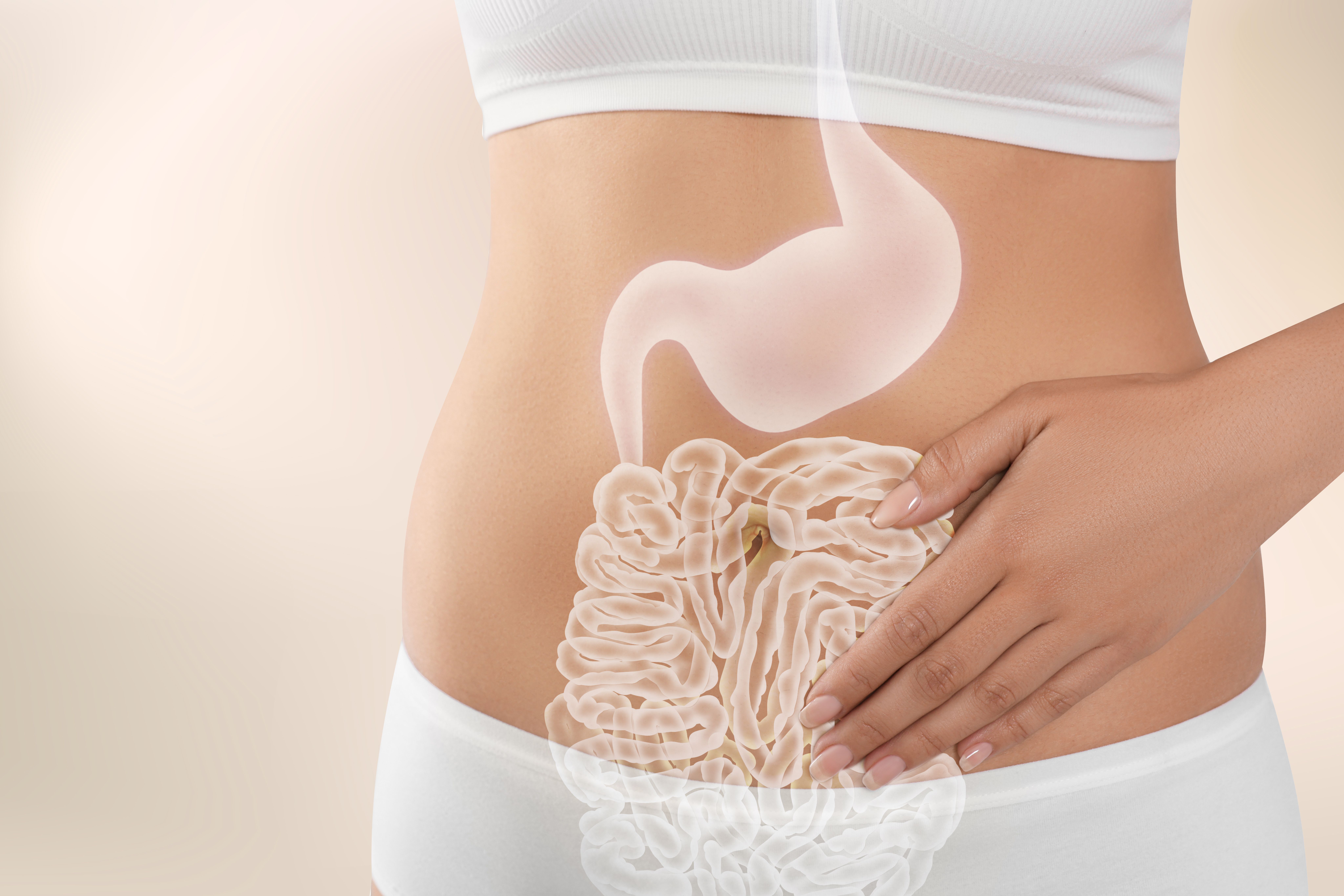
- Research Team: Reported by Pharmacy Times (Updated May 15, 2026).
- Key Finding: New research on the gut-brain connection confirms that improving gut health can enhance mental well-being. The link between gut microbiota balance and mood, anxiety, and cognitive function is becoming increasingly clear.
- Significance: Strategies to improve gut health as adjunctive therapy for psychotropic drugs are being clinically explored, signaling a paradigm shift in mental health treatment.
Coffee Enhances Brain Function via Gut Microbiota (ScienceDaily, 2026-05-02)

- Research Team: Study published in Nature Communications (Reported by ScienceDaily).
- Key Finding: Both caffeinated and decaffeinated coffee were found to reshape the gut by altering the microbiota, which is linked to improved mood and reduced stress. Decaf showed benefits for learning and memory, while caffeine boosted focus and reduced anxiety.
- Significance: It suggests coffee’s brain health benefits occur through a complex gut-microbiota-brain mechanism rather than just caffeine, helping us better understand the link between diet and brain health.
Future of Diabetes Management: Integrating Gut Microbiota, AI, and Personalized Medicine (Frontiers in Endocrinology, 2026-05-12)
- Research Team: Published in Frontiers in Endocrinology (May 12, 2026).
- Key Finding: A paper presented a future approach to diabetes treatment by integrating the gut microbiota with AI and personalized medicine. It discussed how the gut microbiome relates not only to glucose metabolism but also to nerve damage (diabetic neuropathy), a complication of diabetes.
- Significance: Gut-brain axis research is expanding beyond mental health into metabolic diseases, showing that personalized microbiome intervention could become a cornerstone of diabetes treatment.
💊 Clinical Trials & Therapeutics
-
Psychobiotics Clinical Update: According to a recent review in PMC, the precision psychobiotics field is advancing its pipeline, identifying multi-strain formulations and sufficient treatment duration as key success factors. Multiple clinical trials currently show that probiotics significantly reduce depression and anxiety scores.
-
Frontiers in Microbiology Human Clinical Trial Analysis (March 2026): A paper analyzing the mental health benefits of psychobiotics via the gut-brain axis based on human clinical data was released. It confirmed improvements in depression, anxiety, and stress indicators, though the lack of standardized protocols remains a challenge.
🏢 Industry & Business
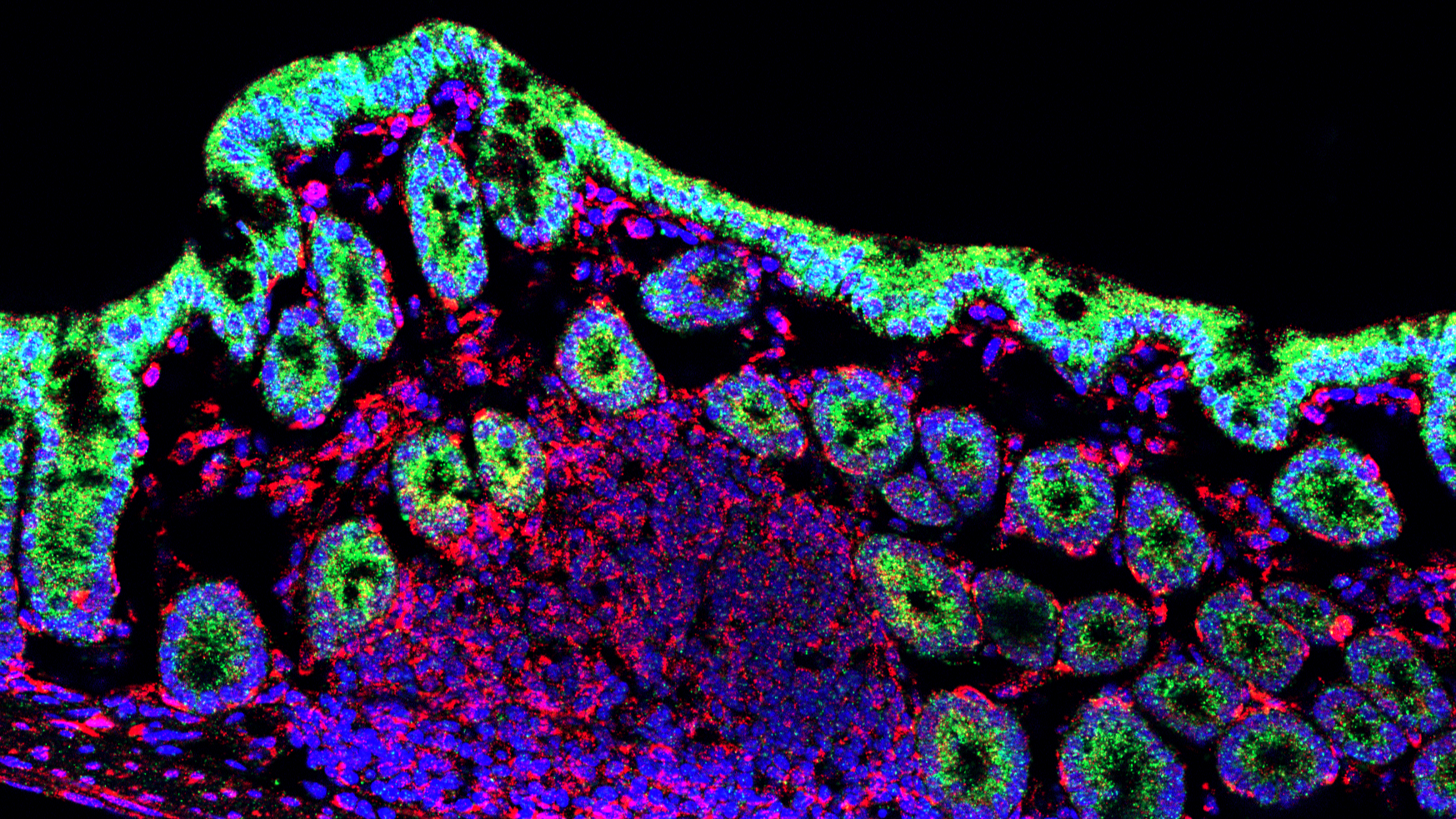
- Microbiome Startup Raises $48 Million (Endpoints News): A biotech startup isolated and studied about 50 bacterial strains from the fecal samples of colorectal cancer survivors, finding they create an environment that aids immunotherapy. Based on this, they secured $48 million for immunotherapy and nutritional deficiency treatment development.
- Nestlé Joins Microbiome Therapeutics Innovation Group (MTIG): Nestlé has joined MTIG, an independent coalition developing FDA-approved microbiome products. This is viewed as a major sign of the world's largest food company entering the microbiome therapeutics field.

🧠 Deep Dive: The Secret of the Coffee-Microbiota-Brain Triangle
Recent research in Nature Communications demonstrates that coffee is more than just a drink to stay awake—it has a complex mechanism that influences brain function by reorganizing the gut microbiota.
The core mechanism: Polyphenols and other bioactive compounds in coffee (regardless of caffeine content) promote the growth of beneficial gut bacteria while inhibiting harmful ones. The resulting Short-Chain Fatty Acids (SCFAs) and neurotransmitter precursors reach the brain via the vagus nerve and blood circulation. Specifically, changes in serotonin (90-95% of which is produced in the gut) and GABA directly impact mood and anxiety levels.
Interestingly, decaf showed learning and memory improvements, while caffeinated coffee excelled in focus and anxiety reduction, implying different compounds activate different microbial pathways.
Remaining questions include optimal consumption levels, individual microbiome variability, and potential tolerance with long-term use.
📋 Action Guide
-
Drink 1-2 cups of coffee regularly: Both regular and decaf can activate beneficial gut bacteria, positively affecting mood and cognition. However, avoid excessive intake.
-
Increase dietary fiber to boost SCFAs: Fiber-rich foods like whole grains, vegetables, and legumes feed beneficial gut bacteria to produce SCFAs, which send anti-inflammatory signals to the brain. The Mediterranean diet is shown to be most beneficial for both the microbiome and brain health.
-
Consider multi-strain probiotic supplements: Clinical studies suggest multi-strain formulations are more effective for depression and anxiety than single strains. Consistency is key—take them for at least 4-8 weeks to see results.
-
Protect the gut-brain axis with stress management and sleep: Chronic stress reduces microbial diversity and weakens the gut-brain axis. Regular sleep and stress-reduction routines (meditation, exercise) help maintain microbial stability.
👀 Points of Interest
-
Vitafoods Europe 2026 (Barcelona): Key trends at this May 2026 event include GLP-1 nutritional solutions, AI-based ingredient innovation, and personalized microbiome products. It will be a major stage for gauging gut-brain industry trends.
-
mbiomics GmbH Series A Completed (€30M total): Munich-based tech-bio firm mbiomics has closed its Series A with a total of €30 million. They focus on microbiome-based therapeutics for severe and chronic diseases.
-
Deepening Gut Microbiota-Based Dementia Diagnosis Research: Growing evidence suggests the gut microbiome can serve as a biomarker for early detection of cognitive decline and dementia. Expansion of clinical studies and potential FDA biomarker approval are key developments to watch.
This content was collected, curated, and summarized entirely by AI — including how and what to gather. It may contain inaccuracies. Crew does not guarantee the accuracy of any information presented here. Always verify facts on your own before acting on them. Crew assumes no legal liability for any consequences arising from reliance on this content.
Powered by

