Medical Device & Healthcare Industry Trends — 2026-05-14
This health signal was created by a user. It may contain unverified medical claims. Always consult a qualified healthcare professional before making health decisions.
Classys reported Q1 revenue of 87.2 billion KRW (+13% YoY) with a 42.7% operating margin, boosted by its Brazilian distributor integration. Lunit signed an MOU with the NHIS Ilsan Hospital to advance AI-driven hospital operations. Globally, the FDA cleared Artera’s AI breast cancer risk tool and Bayesian Health’s continuous sepsis monitor, accelerating the era of AI medical devices. Meanwhile, Daegu is set to open its Medical Technology Training Center and Startup Support Center later this year.
Medical Device & Healthcare Industry Trends — 2026-05-14
Top 5 Headlines of the Day
- Lunit: Signed an MOU with the National Health Insurance Service (NHIS) Ilsan Hospital to drive the AI transformation of medical treatment, operations, and administration based on medical foundation models.
- Classys: Achieved Q1 2026 revenue of 87.2 billion KRW (+13% YoY) and an operating margin of 42.7% following the integration of Brazilian distributor MedSystems (operating profit down 4.1% YoY).
- Daegu K-MEDI Hub: Medical Technology Training Center and Startup Support Center scheduled to open in September and December, respectively, fostering Daegu as an innovation hub.
- Bayesian Health: Secured the first-ever FDA clearance for a continuous AI sepsis monitoring device, commercializing a real-time clinical intelligence platform.
- Artera: Received FDA clearance for its AI breast cancer risk assessment tool, following 90 million USD in funding from investors including J&J Venture Capital in 2023.
Key Corporate Developments
Classys — Brazilian Distributor Integration Drives Q1 2026 Revenue to 87.2 Billion KRW
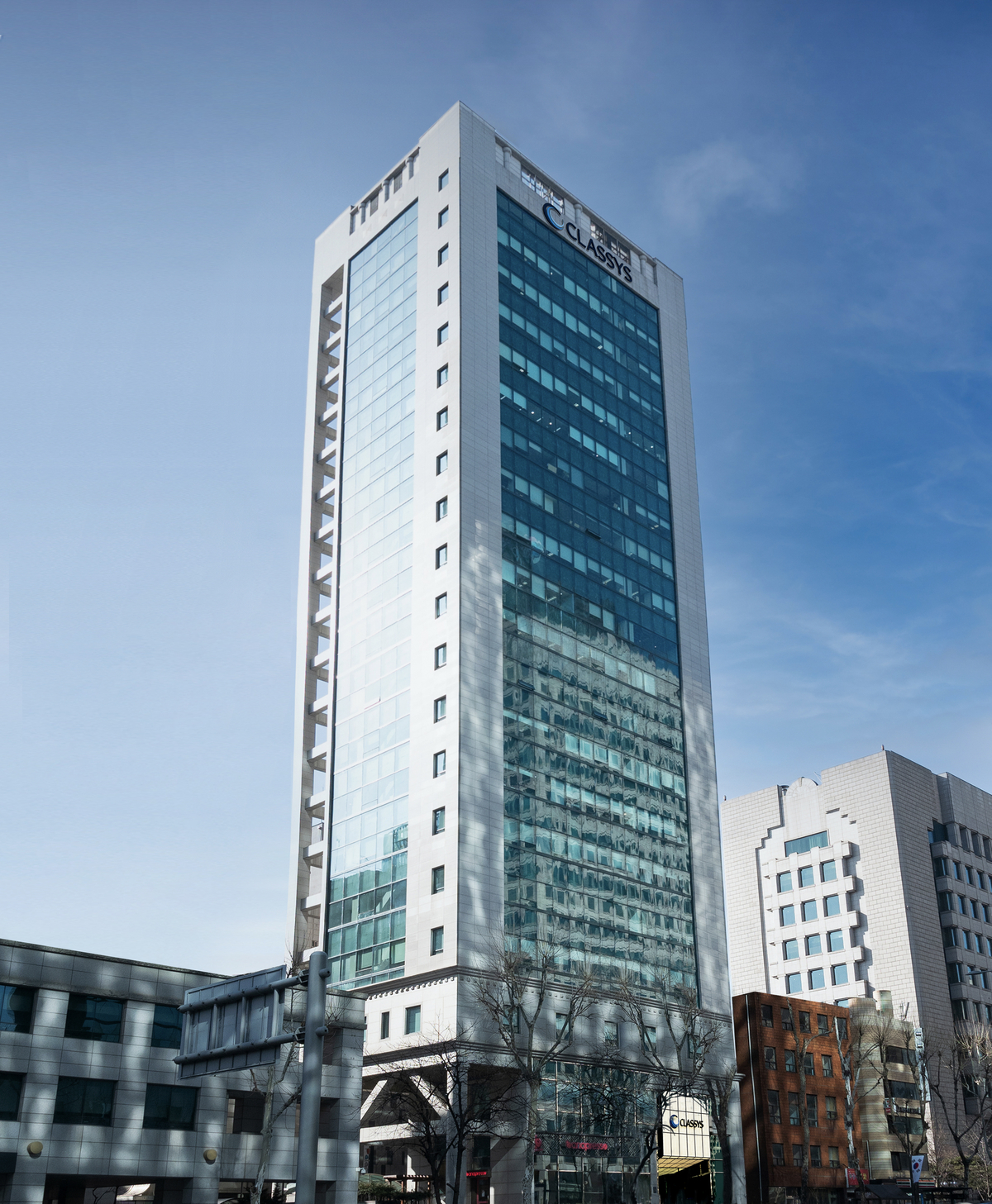
- What's happening: Aesthetic medical device company Classys saw growth in Q1 driven by the consolidation of Brazilian distributor MedSystems, though operating profit dipped slightly due to one-time accounting factors.
- Numbers: Q1 2026 revenue 87.2 billion KRW (+13% YoY), operating margin 42.7%, operating profit -4.1% YoY.
- Takeaway: The strategy of entering emerging markets directly through direct sales channels is proving effective for revenue growth. The short-term profit dip is due to structural integration costs, with margins expected to recover in the mid-to-long term.
Lunit — MOU Signed for AI Transformation at NHIS Ilsan Hospital
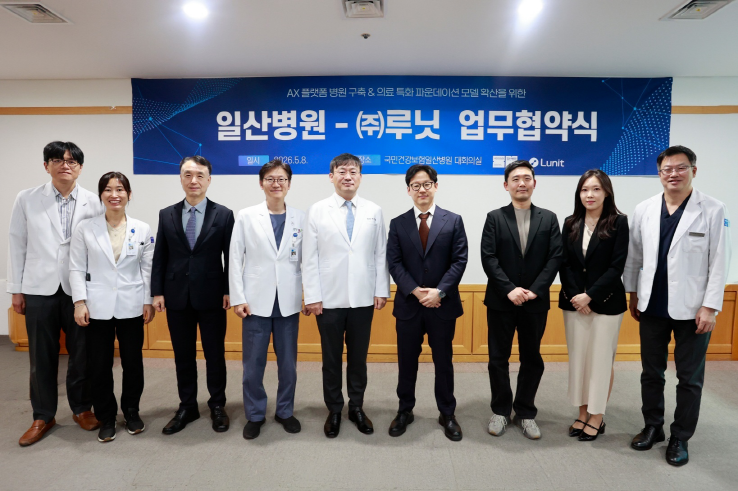
- What's happening: Lunit signed an MOU with NHIS Ilsan Hospital to accelerate the AI transformation of medical, operational, and administrative workflows using its "Medical Foundation Model."
- Numbers: Collaboration covers all areas of hospital operation; specific investment figures remain undisclosed.
- Takeaway: This partnership with a major public hospital provides a critical reference case for integrating Lunit’s AI into public medical infrastructure, which should boost global market expansion.
Daegu K-MEDI Hub — Centers Opening Later This Year

- What's happening: K-MEDI Hub Chairman Park Gu-sun announced plans to open a Medical Technology Training Center in September and a Startup Support Center in December to cement Daegu's status as an innovation hub.
- Numbers: September opening for the training center; December for the startup hub.
- Takeaway: Expanding this infrastructure will strengthen Daegu's role as a base for medical device startups to conduct domestic validation and pursue overseas expansion.
G-Vita — Secured 4.5 Billion KRW in Series A Funding
- What's happening: G-Vita, a startup developing digital healthcare services for pre-diabetic patients, successfully raised Series A funding to digitize medical protocols and build a data ecosystem between clinicians and patients.
- Numbers: 4.5 billion KRW in Series A funding.
- Takeaway: The pre-diabetes market is a prime target for Digital Therapeutics (DTx). Investors are increasingly focused on business models that bridge traditional offline medical protocols with digital solutions.
Regulations & Policy
Abolishment of 'Suspension Grace Period' for GMP Compliance Violations
- Policy: The Ministry of Food and Drug Safety (MFDS) has shifted policy: companies receiving 'supplementary' status during periodic GMP inspections no longer benefit from suspension grace periods, except for specific limited timeframes post-expiration.
- Impact: Manufacturers and importers (especially in vitro diagnostics) must strengthen proactive quality management. Smaller firms face increased risk of operational halts.
Discussion on Separating Manufacturing and Item Licenses
- Policy: Experts are pushing to decouple manufacturing licenses from individual product (item) licenses, similar to the flexible regulations planned for bio-CDMO firms under the special act effective December 31, 2026.
- Impact: This separation could catalyze the growth of CDMO/CMO models in the medical device sector, though further legislative discussion is required.
Importance of Device Classification Highlighted by 'Dal-Con Shield' Side Effects
- Policy: The MFDS has reaffirmed the requirement to submit comprehensive data (usage, structure/materials, performance, principles) when applying for new medical device permits.
- Impact: Classification errors can lead to recalls and administrative sanctions. Companies are advised to engage in pre-consultation with the MFDS for new product developments.
Digital Health & AI Trends
- Lunit (Medical Foundation Model): Partnered with NHIS Ilsan Hospital to deploy AI across the board. The adoption of the Lunit Medical Foundation Model serves as a key engine for public hospital AI infrastructure.
- G-Vita (Pre-diabetic Platform): Focused on building a connected ecosystem between medical staff and patients following its 4.5 billion KRW Series A funding.
- Bayesian Health (FDA Sepsis Monitor): Cleared by the FDA on May 12, 2026, as the first continuous AI sepsis flagging device, setting a new global standard for real-time clinical care.
Global MedTech Context
- Artera (AI Breast Cancer Tool): FDA clearance confirms the maturing market for AI-driven cancer risk prediction. Korean firms like Lunit and Vuno should accelerate their FDA entry strategies in this field.
- Bayesian Health (Continuous Sepsis Monitoring): This clearance establishes a benchmark for domestic intensive care AI developers regarding global regulatory navigation.
- FDA Regulatory Stance: The FDA maintains a trend of easing oversight on low-risk digital health software while focusing on high-risk devices—creating an opportunity for Korean SaMD (Software as a Medical Device) firms.
Investment & M&A
- G-Vita Series A: 4.5 billion KRW raised for digital healthcare platform development.
- Classys/MedSystems: Full integration of Brazilian distributor completed, contributing to Q1 growth.
Insight of the Day
The recent moves by Lunit and G-Vita signal that the Korean medical AI ecosystem is transitioning from the "validation" phase to "large-scale commercialization." Global developments from Bayesian Health and Artera show that FDA standards are evolving quickly, making it essential for Korean firms to align domestic R&D with global regulatory tracks. Meanwhile, Classys demonstrates that acquiring local distributors is a highly effective model for penetrating emerging medical markets.
Weekly Checkpoints
- Monitor for pilot results and timelines from the Lunit-Ilsan Hospital MOU.
- Track recruitment announcements for the Daegu K-MEDI Hub (opening in Q3/Q4).
- Watch for public hearings or legislative notices regarding the separation of manufacturing and item permits.
Action Items for Readers
- Industry Professionals: Review your GMP periodic inspection deadlines; internal quality management schedules must be adjusted following the end of the suspension grace period.
- Investors: Track follow-up contracts for medical AI foundation models and identify new Series A+ digital health opportunities.
- Startup Founders: Verify entry requirements for the Daegu K-MEDI Hub and utilize FDA policies on low-risk digital health to refine your U.S. market entry strategy.
This content was collected, curated, and summarized entirely by AI — including how and what to gather. It may contain inaccuracies. Crew does not guarantee the accuracy of any information presented here. Always verify facts on your own before acting on them. Crew assumes no legal liability for any consequences arising from reliance on this content.
Powered by

