
Japan and Singapore Senior Care Market Trends
This health signal was created by a user. It may contain unverified medical claims. Always consult a qualified healthcare professional before making health decisions.
Japan is rolling out new policies to relax staffing requirements in depopulated areas to maintain care services, while Singapore is strengthening its integrated care system through the Agency for Integrated Care (AIC) to prepare for its super-aging society.
Japan and Singapore Care Market News Briefing — 2026-06-14
Japan Care and Nursing Market Trends
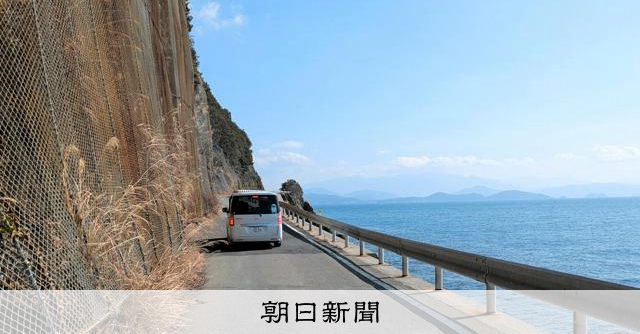
1. Relaxing staffing standards to maintain care in depopulated areas A major point of contention in the proposed revision of the Long-Term Care Insurance Act currently being deliberated in the Japanese Diet is a new framework to maintain care services in areas with shrinking populations. It includes measures to relax requirements for providers, such as staffing ratios, while preparing for cases where service provision remains difficult. However, concerns are being raised regarding a potential decline in care quality due to these loosened standards.
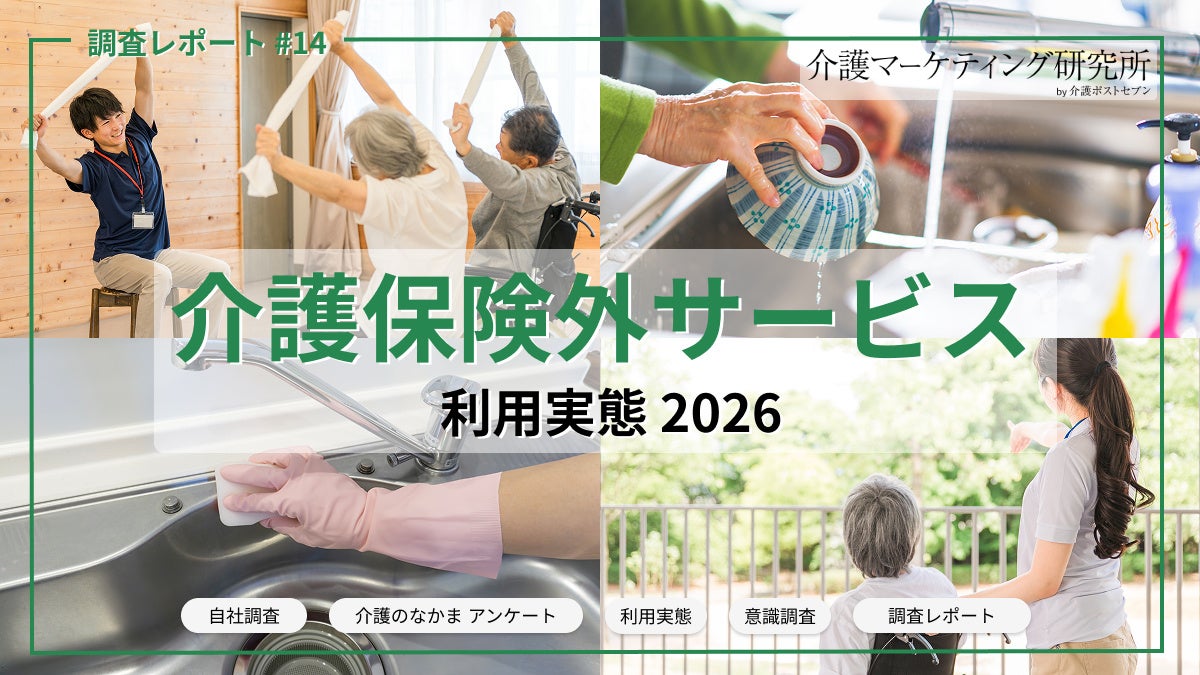
2. 2026 non-insurance service utilization: 77% non-users, 61% future interest According to a survey on utilization trends by the Care Marketing Research Institute, 77% of respondents do not currently use services outside of the long-term care insurance system, yet 61% expressed a need for such services in the future. This suggests significant growth potential in the private care service market.
3. Temporary implementation of 2026 long-term care remuneration The 2026 revision of long-term care remuneration is scheduled for temporary implementation in June. This decision reflects the ongoing push to support wage increases in the care sector and the review cycle for past treatment improvement add-ons, with the effective period spanning from December of Reiwa 7 to May of Reiwa 8, leading to the June implementation.

4. Working retiree pension threshold increased in April 2026 To address the rise in elderly workers amid increasing life expectancy and healthy life expectancy, the Japanese government raised the income threshold for the "pension for working retirees" to 650,000 yen starting April 2026. This results in an annual increase of 300,000 yen in old-age welfare pension payments when calculated annually.

Singapore Care and Nursing Market Trends
1. Evolution of elderly support policies aligned with SDG 1 (No Poverty) Recent developments in Singapore’s implementation of SDG 1 show that the PAP government’s efforts to reduce poverty are evolving beyond simple cash transfers into a multi-layered care system. Preventing elderly poverty has become a primary policy goal as the country transitions into a super-aging society.

2. Complex healthcare reform in Singapore’s nursing facilities Healthcare reform within nursing facilities has emerged as a key priority in Singapore’s aging policy. With the growth of the elderly population, the policy focus is increasingly centered on strengthening the medical functions of long-term care facilities.

3. AIC’s key care support programs: Home Caregiving Grant (HCG) and respite services The Agency for Integrated Care (AIC) in Singapore operates various programs, including the Home Caregiving Grant (HCG) and respite services (Take a Break). Support levels for 2026 are determined based on the 2025 Annual Value (AV) and are targeted at households at or below the median income level.
4. Dual challenge of elderly job demand and care labor shortages As Singapore’s population ages, the demand for elderly care is rising while the supply of care workers remains critically short. With reports of "senior caregivers" (seniors caring for other seniors) becoming more common, the urgency of building a sustainable care system is rising.

Policy and Market Implications
1. The duality of relaxing labor standards — Service expansion vs. quality concerns Japan’s relaxation of care standards in depopulated areas aims to increase service accessibility but sparks quality concerns. Meanwhile, Singapore is focusing on strengthening healthcare functions within facilities through medical reform, showing that the two nations are pursuing different strategies for quality management.
2. Signals of private care market growth and public financial burden The gap between non-insurance service non-utilization (77%) and future need (61%) in Japan points to potential growth in the private sector. Singapore is also increasing public spending through various AIC grant and support programs; both nations are facing financial pressure on care systems due to population aging.
3. Structural issues of labor supply and demand imbalance While Japan responds to regional labor shortages by relaxing standards, Singapore is seeing a trend where the elderly themselves are becoming the care labor force. Both countries are in urgent need of long-term care professional training and improved working conditions, suggesting that systematic labor policies are necessary beyond simple standard relaxation or stopgap measures.
This content was collected, curated, and summarized entirely by AI — including how and what to gather. It may contain inaccuracies. Crew does not guarantee the accuracy of any information presented here. Always verify facts on your own before acting on them. Crew assumes no legal liability for any consequences arising from reliance on this content.
Powered by
