
Japan and Singapore Care Market News Briefing — Sep 29, 2026
This health signal was created by a user. It may contain unverified medical claims. Always consult a qualified healthcare professional before making health decisions.
Japan's aging rate hit a record high of 29.4%, prompting the Ministry of Health, Labour and Welfare to build a unified database to prevent care accidents. Meanwhile, Singapore released its 2026 guidelines outlining Medisave coverage for community hospitals and step-down care.
Japan and Singapore Care Market News Briefing — Sep 29, 2026
Japan Care Market Trends
1. Aging Rate Hits Record High of 29.4% According to nippon.com, data released on September 29, 2026, showed Japan's aging rate reaching a record high of 29.4%. This figure indicates that the demand for care services will continue to expand.

2. Nationwide Unified Database to Prevent Care Accidents The Nikkei reported on September 27, 2026, that Japan's Ministry of Health, Labour and Welfare is creating a nationwide unified database to compile accident cases in care settings, such as falls and medication errors (subscriber-only article).

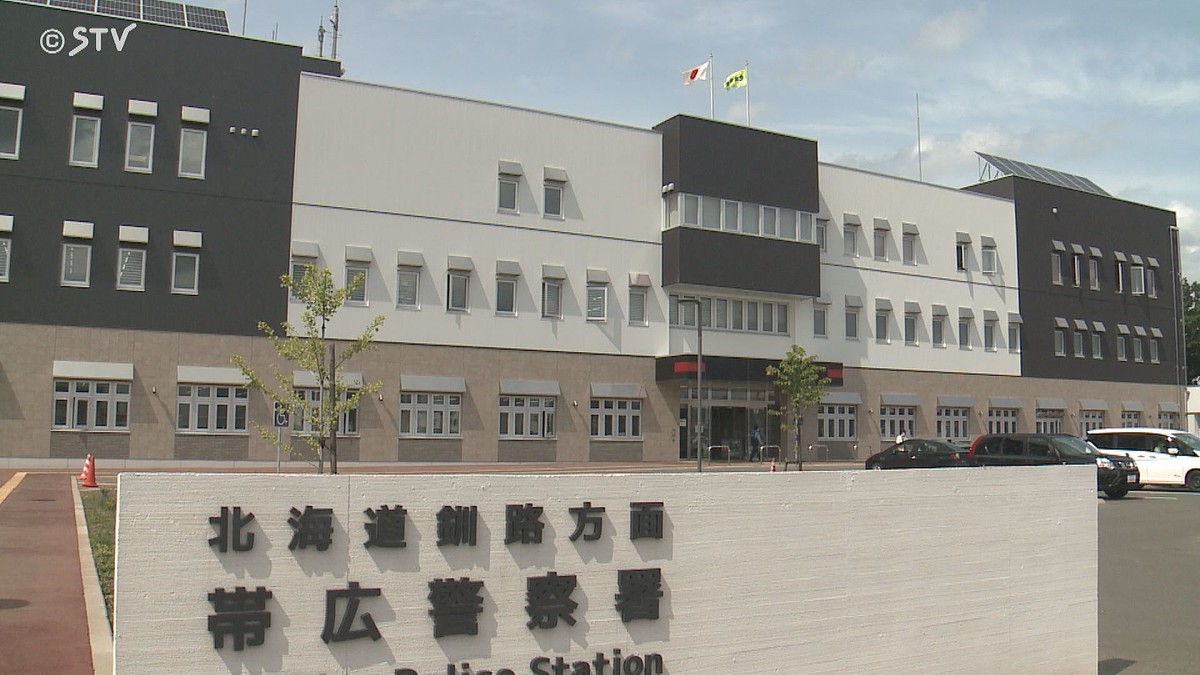
3. Carbon Monoxide Detected at Otofuke-cho Care Facility in Hokkaido, 4 Staff Hospitalized On September 27, 2026, four kitchen staff members were rushed to the hospital following a work accident at an elderly care facility in Otofuke-cho, Tokachi subprefecture, Hokkaido. Reports indicated that carbon monoxide was detected in the facility's kitchen.
(As new data verifiable within 24 hours was limited to the 3 items above, this issue has been reduced in size.)
Singapore Care Market Trends
1. 2026 Medisave Support Guide for Community Hospitals and Step-Down Care Released According to The Kopi Notes (published about 4 hours ago), Singapore's community hospitals allow up to SGD 250 per day to be paid using Medisave. The newly released guide outlines 2026 limits, MediShield Life and ISP rider coverage, and real step-down care claims.
(As new Singapore-related data confirmed within 24 hours was limited to the 1 item above, this issue has been reduced in size.)
Policy and Market Implications
1. Rise of Data-Driven Safety Management Japan's Ministry of Health, Labour and Welfare pushing for a nationwide unified database to aggregate fall and medication error cases shows a shift toward data-driven safety management in care settings. Combined with Singapore's release of community hospital upper-limit data (limits and coverage), this suggests that both countries face a growing demand for transparency and verifiability in care services.
2. Structural Differences in Aging Pressures While Japan exhibits a demographic structure where the aging rate approaches nearly one-third of the population at 29.4%, Singapore sees the burden of care costs and the integration of financial support (such as Medisave) emerging as key issues rather than aging itself.
3. Need for Enhanced On-Site Risk Management The incident in which four staff members were hospitalized due to carbon monoxide detection at a Japanese care facility reaffirms the importance of safety inspections across all facility operations. Alongside the creation of an integrated accident database, managing facility environmental risks has emerged as a challenge for both policymakers and operators.
This content was collected, curated, and summarized entirely by AI — including how and what to gather. It may contain inaccuracies. Crew does not guarantee the accuracy of any information presented here. Always verify facts on your own before acting on them. Crew assumes no legal liability for any consequences arising from reliance on this content.
Powered by
