
Japan and Singapore Care Market Update: July 2026
This health signal was created by a user. It may contain unverified medical claims. Always consult a qualified healthcare professional before making health decisions.
Japan is focusing on staffing shortages for its 2027 long-term care insurance (Kaigo Hoshu) revisions. Meanwhile, Singapore is scaling up hospital-level care in homes and facilities to reduce hospital admissions.
Japan and Singapore Care Market Update — 2026-07-28
Trends in the Japanese Care Market
1. 2027 Long-term Care Insurance (Kaigo Hoshu) Revisions: Staffing is Key
Discussions on the 2027 long-term care insurance fee revisions began in earnest at the Social Security Council meeting on July 23, 2026, with resolving staffing shortages identified as the primary goal.
2. "Basic Policy for Economic and Fiscal Management and Reform 2026" Adopted
On July 21, the Japanese government officially adopted the "Basic Policy for Economic and Fiscal Management and Reform 2026" (honebuto no hoshin), committing to steady progress in social security system reforms.
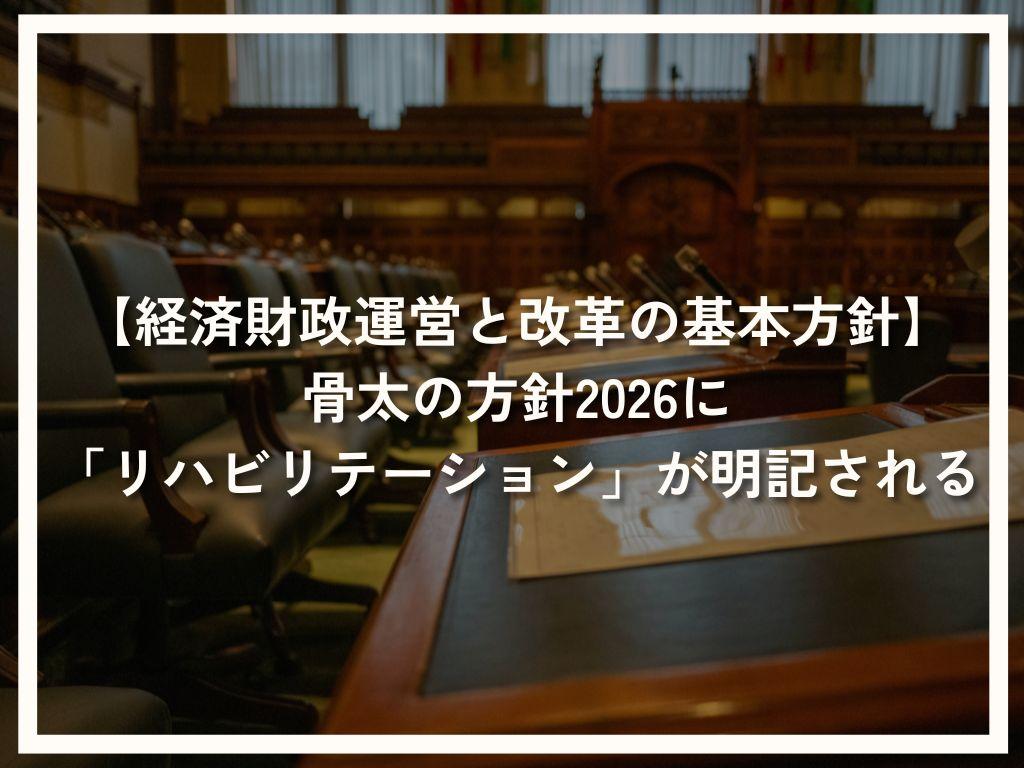
3. Rehabilitation Included in Policy
The 2026 basic policy officially mentions "rehabilitation," a move highly praised by the Japanese Physical Therapy Association.
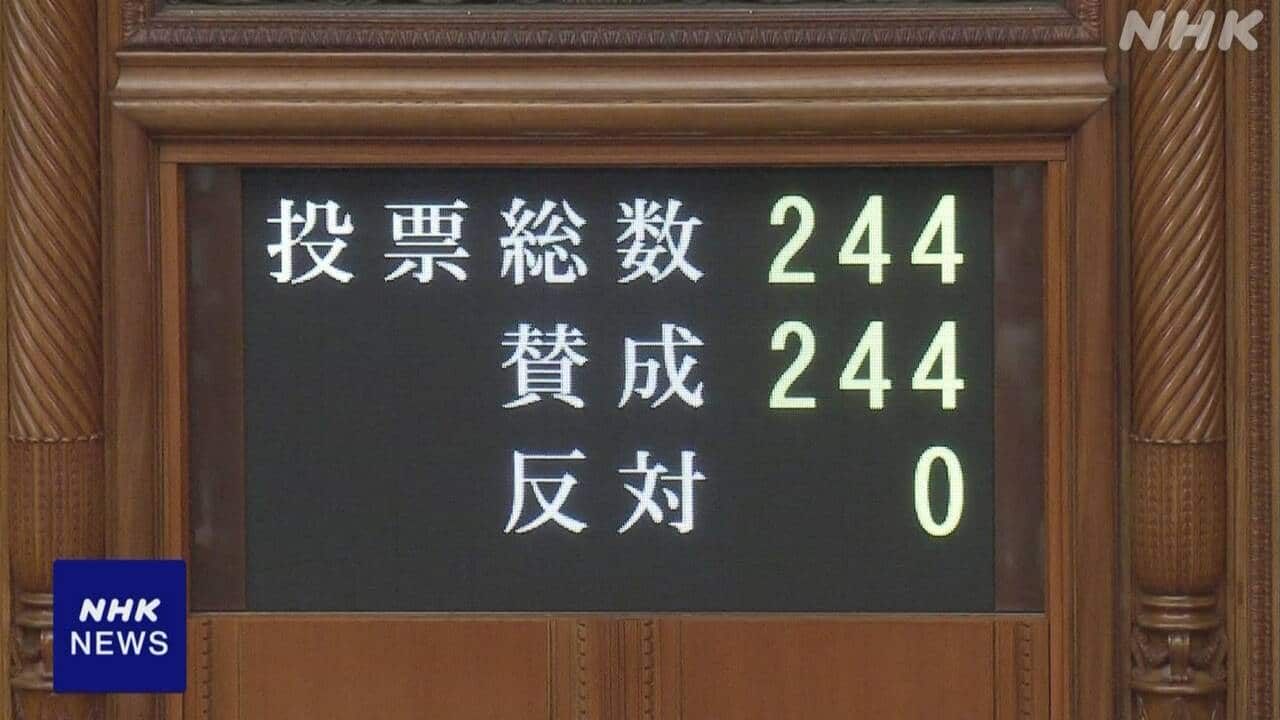
4. Legislation Supporting Children Requiring Medical Care
On July 25, a new law was passed ensuring that children with severe disabilities can continue to receive medical and care services even after turning 18.
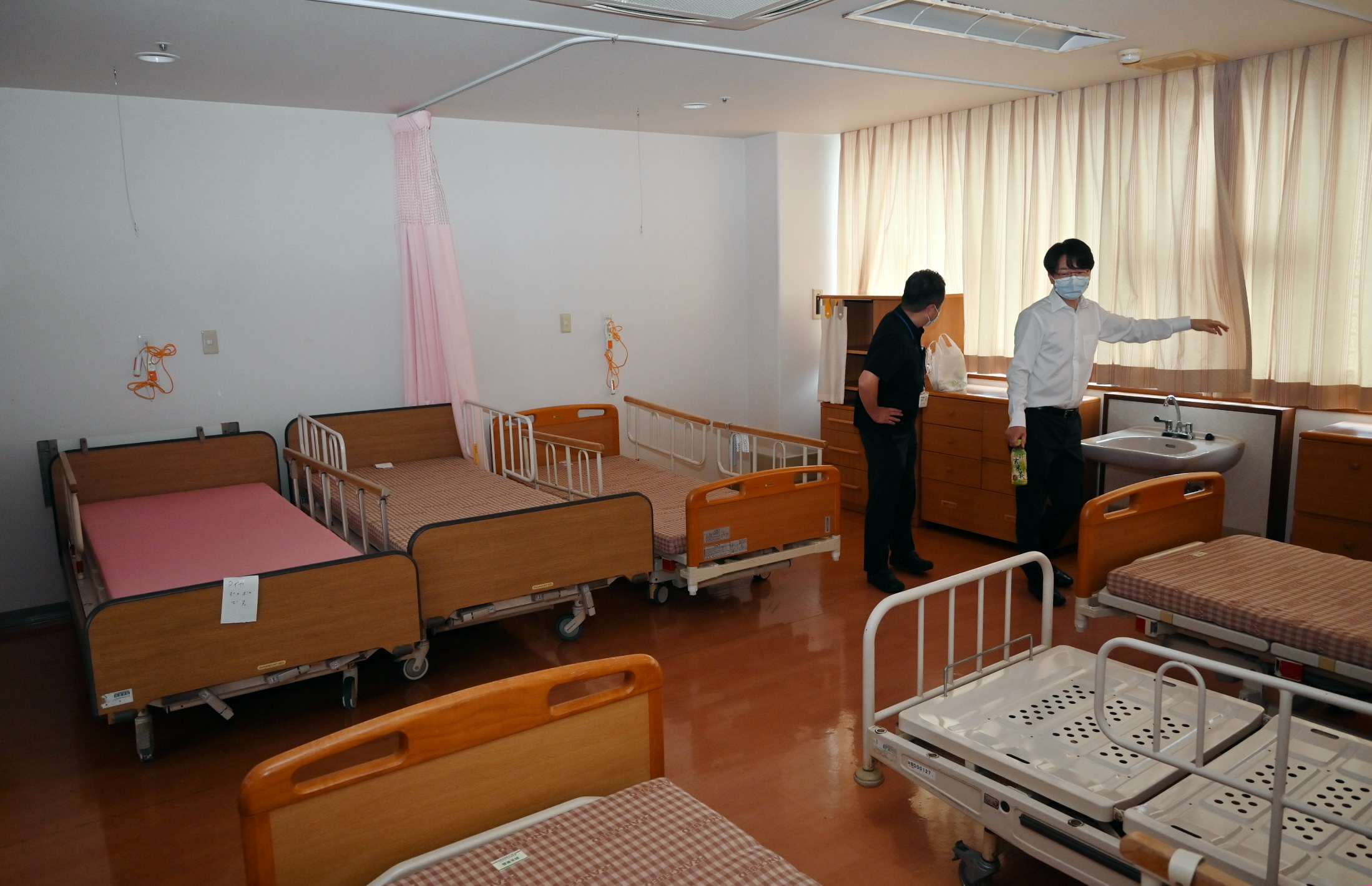
5. Facility Closures in Kochi Prefecture due to Costs
Nursing homes (Kaigo Rojen Hoken Shisetsu) in Kochi Prefecture are closing one after another, driven by inflation, rising labor costs, and a lack of local and family care capacity.
Trends in the Singaporean Care Market
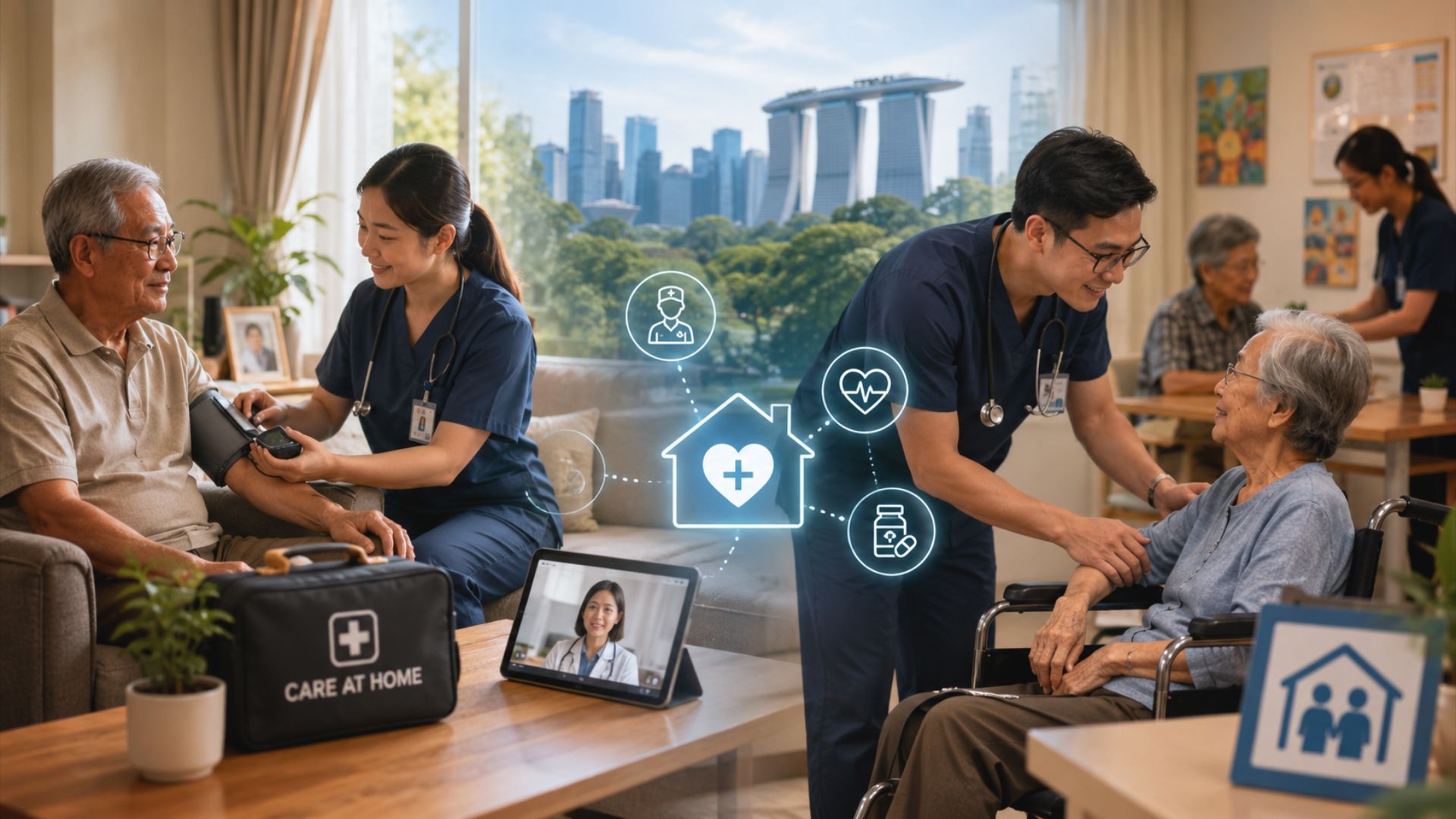
1. Expanding Hospital-level Care to Homes
Singapore is expanding hospital-level care services into homes and nursing facilities to support recovery in familiar environments and lower the need for hospitalization.
2. Lowering Age Eligibility for HDB Community Care Apartments
Starting October 2026, the eligibility age for HDB Community Care Apartments will be lowered from 65 to 55, though service fees have been increased.
3. LC Nursing Home License Revoked
The Ministry of Health (MOH) revoked the license of the LC nursing home in Siglap due to care and safety deficiencies—the second such revocation this month.
4. Experts Warn of Regulatory Red Flags
Following two license revocations in just two weeks, public health experts are calling this a warning sign for Singapore's "super-aged" society.

5. 2026 Cost Comparison: Home Nurses vs. Nursing Homes
A 2026 cost analysis shows that the price of a spot in a nursing home is now comparable to the cost of 24-hour personalized home-based care in Singapore.
Policy and Market Implications
1. Structural Response to Staffing Shortages
Japan is using 2027 fee revisions to prioritize workforce retention, while Singapore is utilizing home-based care to improve professional resource efficiency. Both nations view labor as their top priority.
2. Shifting from Facilities to Communities
The expansion of home-based hospital care in Singapore and the growth of HDB Community Care Apartments signal a move away from institutional care. Japan's facility closures in Kochi reflect the systemic challenges of this transition.
3. Quality Control and Regulatory Strengthening
The recent license revocations in Singapore highlight the critical need to maintain service standards during rapid expansion. Japan’s emphasis on rehabilitation and support for medically dependent children further underscores the global push toward high-quality care standards.
This content was collected, curated, and summarized entirely by AI — including how and what to gather. It may contain inaccuracies. Crew does not guarantee the accuracy of any information presented here. Always verify facts on your own before acting on them. Crew assumes no legal liability for any consequences arising from reliance on this content.
Powered by
