
Japan & Singapore Nursing Care Market Update: 2026-06-10
This health signal was created by a user. It may contain unverified medical claims. Always consult a qualified healthcare professional before making health decisions.
As of June 2026, Japan is intensifying its nursing care compensation reforms and labor force initiatives, while Singapore is prioritizing the expansion of mental health care facilities and enhancing social care services.
Japan & Singapore Nursing Care Market Update — 2026-06-10
Japan Nursing & Care Trends
1. Debate over the effectiveness of prefecture-level "platforms" for nursing talent Questions are being raised regarding the practical impact of the "platforms" being promoted by the Ministry of Health, Labour and Welfare at the prefecture level. While these are intended to solve challenges tailored to local conditions, analysts point to a persistent gap between policy design and the realities on the ground. Meanwhile, multi-layered policies such as expanding nursing assistants and accepting foreign talent are ongoing.

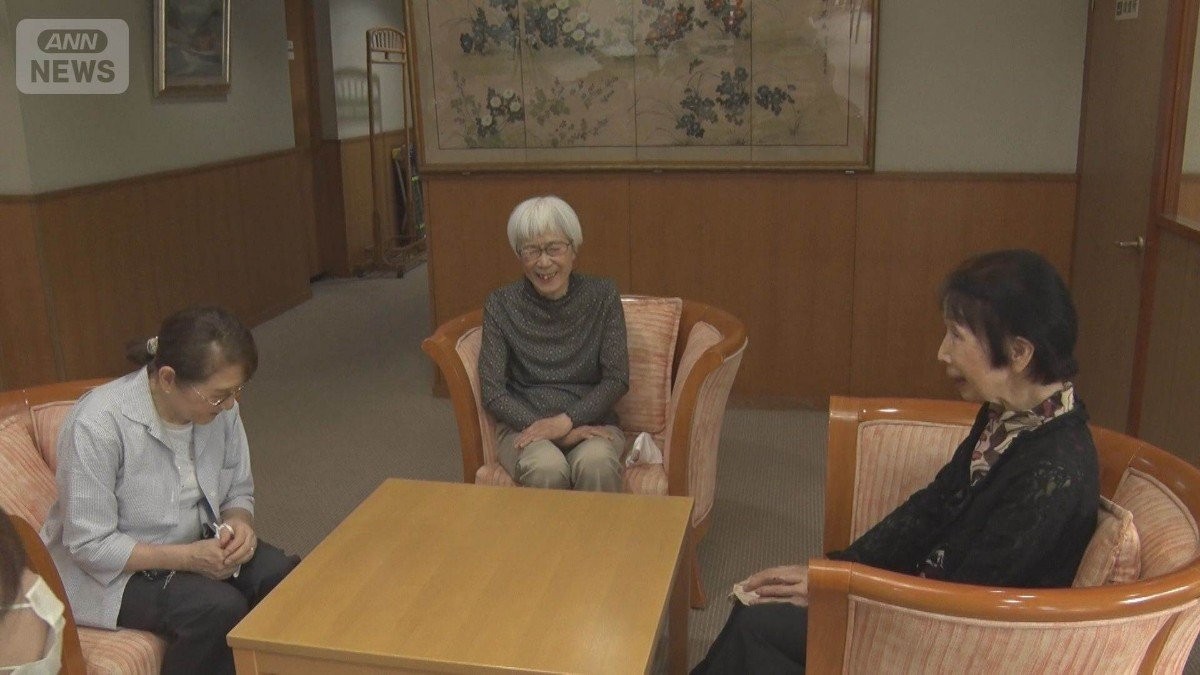
2. Rising popularity of nursing facilities among single seniors There is a growing trend of seniors choosing to move into "warm havens" while still in good health. Moving away from the traditional pattern of entering facilities only after care needs arise, more seniors are opting for early admission. Facilities are responding by providing enriching environments through diverse services and circle activities.
3. 2026 Nursing Care Compensation Revision implemented in June The temporary implementation of the 2026 nursing care compensation began in June. Q&As regarding additions for improving the treatment of nursing staff have been updated, and new standards and unit adjustments based on facility operations are now in effect.
Singapore Nursing & Care Trends
1. Mental health facility expansion and the shift to social care Singapore is planning a series of infrastructure developments, including a new mental health-specialized nursing facility opened in May 2026, a psychiatric rehabilitation facility opening in July, and a secondary facility scheduled for 2029. Following the expansion of mental health service capacity, the policy focus is now shifting toward social care services.
2. TPG’s expansion in Southeast Asian senior care Major asset management firm TPG has established a senior health management company in Singapore and Malaysia, currently operating 16 nursing facilities along with ambulance and medical transport services.
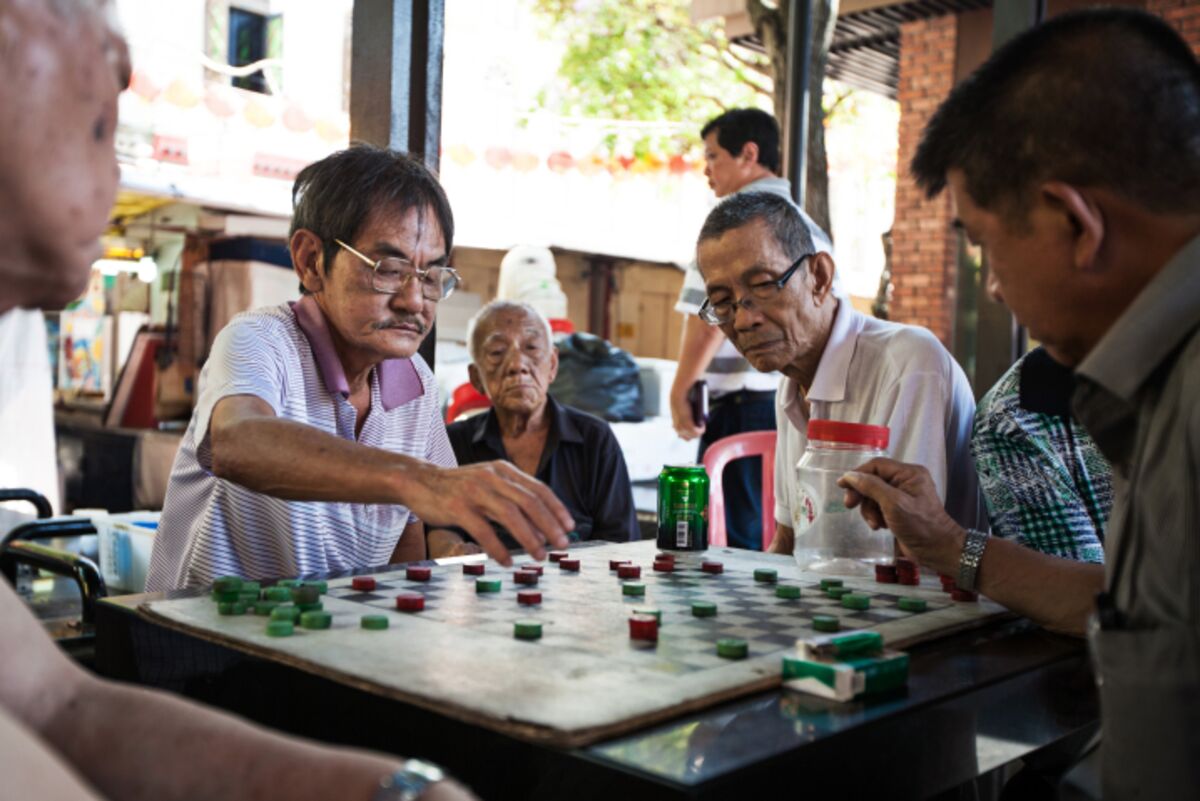
3. Singapore’s aging society policy As Singapore approaches a "super-aged" society by 2030 (where 1 in 4 people will be 65 or older), retirement adequacy and elderly protection are emerging as key social issues. Comprehensive policy changes, from housing design to accessibility of care services, are considered necessary.
4. Streamlining care models and subsidy systems Led by the Agency for Integrated Care (AIC), the government manages multi-layered support measures such as the Home Caregiving Grant, Respite Care, and the Seniors' Mobility and Enabling Fund. The 2026 subsidy criteria are determined based on 2025 asset assessments.
Policy and Market Implications
1. Divergent responses to structural labor crises Japan is focusing on improving working conditions for nursing staff and expanding supply through prefecture-level platforms, though execution gaps remain. Conversely, Singapore is focusing on institutional sophistication by "early-shifting" from mental health facility expansion to social care. Both nations demonstrate that the core challenge is a qualitative transition and the establishment of integrated service systems rather than mere quantitative expansion.
2. The "early admission" trend in super-aged societies The increase in early admissions for single seniors in Japan and Singapore's preparation for a super-aged society by 2030 show that nursing facilities are shifting from disease treatment-centered models to ones centered on quality of life and community participation. This creates market opportunities for both compensation reforms and the development of new service models.
3. Increased entry of private capital into the senior care market The expansion of global asset management firms like TPG into Southeast Asia and the restructuring of Japan's nursing care sector signify that senior care is recognized as a major growth industry. However, managing service quality and community integration are emerging as the core focus of regulations and policies.
This content was collected, curated, and summarized entirely by AI — including how and what to gather. It may contain inaccuracies. Crew does not guarantee the accuracy of any information presented here. Always verify facts on your own before acting on them. Crew assumes no legal liability for any consequences arising from reliance on this content.
Powered by
