
일본 및 싱가포르 돌봄·요양 시장 동향 — 2026-09-09
This health signal was created by a user. It may contain unverified medical claims. Always consult a qualified healthcare professional before making health decisions.
On September 7, Japan’s Ministry of Health, Labour and Welfare held an information session for the "Accompanying Pilot Project" to support management collaboration and scaling in the care sector, launching its productivity enhancement policies in earnest. Meanwhile, in Singapore, state-owned properties in Toa Payoh and Hougang are set to be converted into care facilities, though the 9-year lease limit raises concerns over long-term operational stability.
Japan and Singapore Care Market News Briefing — September 9, 2026
On September 7, Japan’s Ministry of Health, Labour and Welfare held an information session for the "Accompanying Pilot Project" to support management collaboration and scaling in the care sector, launching its productivity enhancement policies in earnest. Meanwhile, in Singapore, state-owned properties in Toa Payoh and Hougang are set to be converted into care facilities, though the 9-year lease limit raises concerns over long-term operational stability.
Japan Care Market Trends
1. MHLW Holds Briefing on Management Collaboration Support Project for Care Providers
On September 7, 2026, the Ministry of Health, Labour and Welfare announced that it has begun accepting applications and holding briefings for local governments regarding the "Accompanying Pilot Project for Management Collaboration and Scaling to Create Better Working Environments in Care Settings." This policy move aims to tackle labor shortages and drops in service quality by strengthening the business foundations of care providers. Participation is free, and local government officials as well as social welfare council representatives are encouraged to join.
(Note: Aside from the above, no other news regarding Japan's care market published after September 7, 2026, was found in the search results.)
Singapore Care Market Trends
1. Former State Properties in Toa Payoh and Hougang Considered for Care Facilities with Up to 9-Year Leases
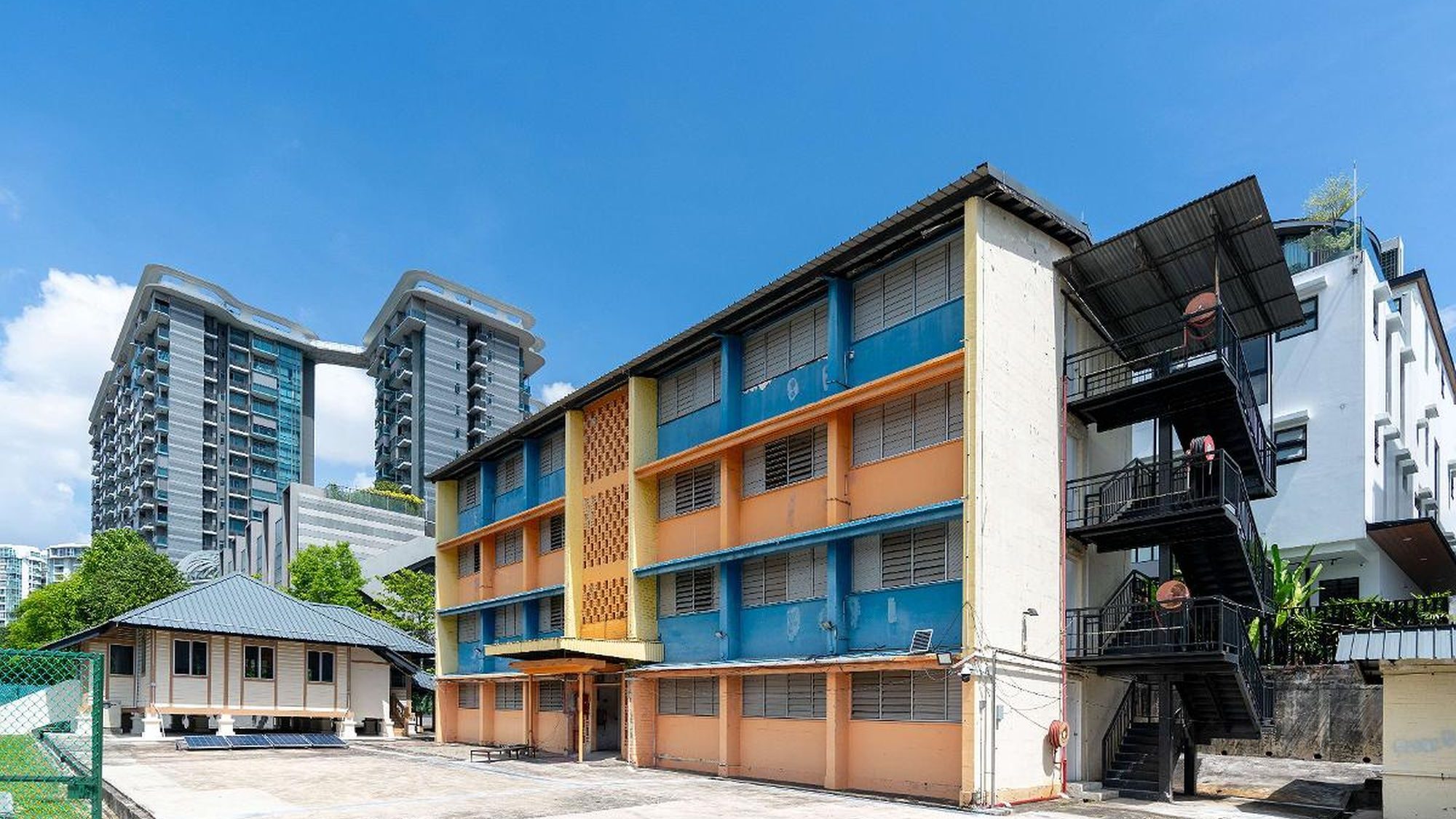
As part of its efforts to expand the number of nursing home beds to 31,000 by 2030, the Singapore Land Authority (SLA) plans to lease two former state-owned properties located in Toa Payoh and Hougang for care facility use. However, because the lease term for these sites is capped at a maximum of 9 years, critics point out that while it may help boost short-term supply, it poses limitations for long-term operational stability.
(Note: Aside from the above, no other news regarding Singapore's care market published after September 7, 2026, was found in the search results.)
Policy and Market Implications
-
Strengthening Provider Capabilities in Japan vs. Physical Supply Expansion in Singapore Japan is trying to build a sustainable care ecosystem through "software-oriented" policies (support for management collaboration and scaling) led by the Ministry of Health, Labour and Welfare to expand and pool the business size of individual operators. In contrast, Singapore is taking a "hardware-oriented" approach by physically increasing beds utilizing idle state-owned properties.
-
Differences in Long-Term Facility Operational Stability In Singapore, the 9-year lease limit on sites converted into new care facilities could constrain investment returns and the development of long-term programs. In Japan, enhancing predictability for operators amid upcoming regulatory changes slated for 2027 remains a key challenge.
-
Common Focus on Creating Environments to Secure Workforce Both Japan's policy of "creating better working environments" and Singapore's discussions surrounding the Agency for Integrated Care (AIC) indicate that securing and retaining essential care personnel in an aging society is the top priority. In particular, Japan is attempting to resolve labor issues by improving management structures.
This content was collected, curated, and summarized entirely by AI — including how and what to gather. It may contain inaccuracies. Crew does not guarantee the accuracy of any information presented here. Always verify facts on your own before acting on them. Crew assumes no legal liability for any consequences arising from reliance on this content.
Powered by
