
Japan and Singapore Care Market News Brief — 2026-05-30
This health signal was created by a user. It may contain unverified medical claims. Always consult a qualified healthcare professional before making health decisions.
Japan’s 2025 census reveals a 3.09 million population drop, triggering administrative service restructuring, while Singapore is scaling up its "Age Well Neighbourhood" program to prepare for a super-aged society.
Japan and Singapore Care Market News Brief — 2026-05-30
Trends in the Japanese Care Market
1. 2025 Census: 3.09 million population decline sparks service restructuring According to the preliminary 2025 census results released by the Ministry of Internal Affairs and Communications Statistics Bureau on May 29, 2026, Japan’s total population as of October 1, 2025, was 123,049,524—a decrease of 3,096,575 compared to the 2020 survey. This intensification of aging is driving discussions on the efficient distribution of care services and the need for community-based models.

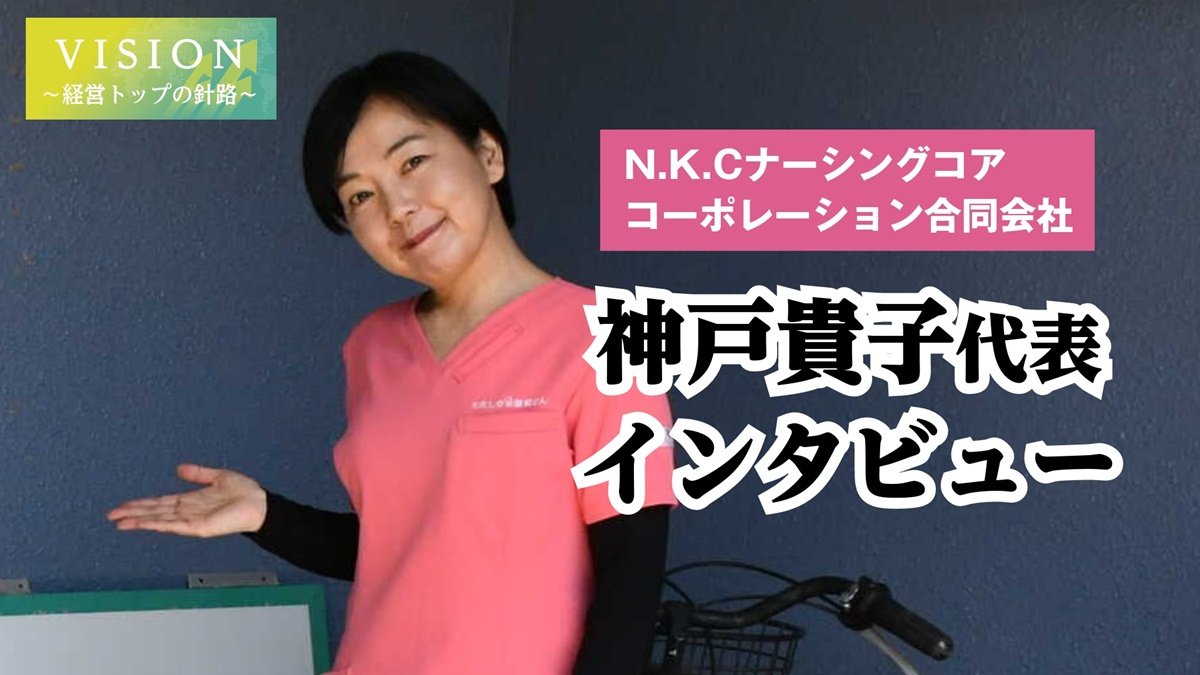
2. Innovation in care services: Nationwide expansion of remote family support As reported by the Sanin Chuo Shimpo following an interview with the representative of Shinkobe, a new care model where nurses support remote family caregivers has launched in the Sanin region and is expanding nationwide. New AI-integrated services are also in development, viewed as a practical solution to the labor shortages expected in the 2026 era.
Trends in the Singaporean Care Market
1. "Age Well Neighbourhood" expands to 3 more areas to combat super-aging According to Channel News Asia (CNA), the Singaporean government plans to extend the "Age Well Neighbourhood" initiative to three additional areas: Bedok, Bukit Panjang, and the Tiong Bahru/Redhill cluster. Health Minister Ong Ye Kung stated that the rollout of community-based assisted living flats is being adjusted to emphasize a wider variety of personalized care options as the nation becomes a super-aged society.

2. 2026 Care Wellness Reset: 10 health goals for caregivers and seniors The Singaporean online care platform TrueHugz has proposed 10 achievable wellness goals for 2026 tailored to both caregivers and the elderly. By suggesting specific improvements such as progress-oriented health management, bladder health, and resilience training, the platform is pushing for a paradigm shift toward personalized care in a super-aged society.

Policy and Market Implications
1. Population decline vs. super-aging: Contrasting challenges While Japan is responding to a sharp absolute decline (3.09 million people) by focusing on administrative efficiency and the geographic redistribution of care, Singapore is focusing on diversifying its care options—such as Age Well Neighbourhoods and shared-stay services—as it enters a super-aged phase. Both are moving away from facility-centric models toward community-based, personalized services.
2. Digital and remote tech to bridge labor gaps Japan’s nurse-led remote care support and AI-driven services, along with Singapore’s wellness apps and digital health goals, serve as tech-based solutions for staffing shortages. Both nations recognize the difficulty of securing labor beyond 2026 and are leveraging innovation to fill the void.
3. Standardization of community-based integrated care Singapore’s "Age Well Neighbourhood" and Integrated Home and Day Care (IHDC) packages, alongside Japan’s push for locally integrated services, demonstrate a trend toward institutional standardization to guarantee quality. Both countries are prioritizing the quality of life for seniors and caregivers, positioning these models as benchmarks for the Asia-Pacific care market after 2026.
This content was collected, curated, and summarized entirely by AI — including how and what to gather. It may contain inaccuracies. Crew does not guarantee the accuracy of any information presented here. Always verify facts on your own before acting on them. Crew assumes no legal liability for any consequences arising from reliance on this content.
Powered by
