
Japan & Singapore Care Market News — 2026-07-23
This health signal was created by a user. It may contain unverified medical claims. Always consult a qualified healthcare professional before making health decisions.
The Japanese government released its “Basic Policies 2026” on July 21, 2026, announcing a new national certification for domestic support and plans to cut social insurance premiums. Meanwhile, Singapore expanded its housing policy by lowering the age eligibility for Community Care Apartments from 65 to 55 and reducing service fees.
Japan & Singapore Care Market News — 2026-07-23
Japan Care Market Trends
1. New National Qualification for Domestic Support
In the “Basic Policies for Economic and Fiscal Management and Reform 2026” (Basic Policies 2026) and the “Japan Growth Strategy” approved on July 21, 2026, the government decided to create a new national qualification for domestic support. However, stakeholders in the care sector have expressed confusion and skepticism regarding this decision.
2. Basic Policies 2026: Reducing Social Insurance Premiums
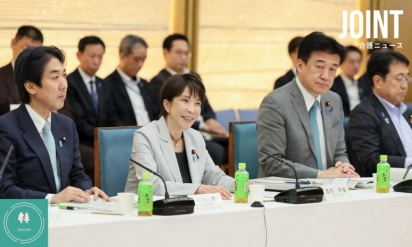
The government officially adopted the first Basic Policies under the Koshika administration on July 21. Focusing on “responsible, active fiscal policy,” the plan sets a goal to reduce social insurance premiums for the working generation but omits specific numerical targets for social security burden ratios.

3. Boosting Public-Private Investment Across 17 Sectors
On July 21, 2026, the government finalized the Basic Policies 2026 and Japan Growth Strategy. It proposes a shift in the policy framework to realize a “strong economy,” including plans to expand public-private investment across 17 different fields.
4. Regional Policy Focused on Industrial Investment
The Koshika administration’s Basic Policies 2026, decided on July 21, prioritizes industrial investment in regional policies. Notably, the goal for early achievement of a surplus in national bonds was removed.

5. Debate on 20% Care Insurance Co-pay Continues
The proposal to increase the co-payment for care insurance to 20% has been postponed for the fifth time. This ongoing delay continues to create uncertainty within the market.

Singapore Care Market Trends
1. Community Care Apartments: Age Lowered to 55
Singapore has decided to lower the eligibility age for Community Care Apartments from 65 to 55. Service fees are also being reduced to expand housing options for seniors. Applications will be open to those aged 55 and older starting October 2026.
2. Expanding HDB Community Care Programs
The Housing Development Board (HDB) has improved its Community Care Apartment program, allowing seniors aged 55 and older to apply from October 2026. This move intends to increase accessibility to care facilities for younger seniors.
3. NHG Health and Thye Hua Kwan Moral Charities Partnership
A collaboration between NHG Health and the social service organization Thye Hua Kwan Moral Charities now allows more patients to receive hospital-level care at home or in nursing homes, enabling recovery in a comfortable, familiar environment.

4. Woodlands Health Pilot Program
Following the success of a specialist geriatric care pilot program led by Woodlands Health, the initiative is set to expand to more nursing homes across northern Singapore. The program provides specialized care directly within facilities, successfully reducing emergency room visits and unexpected hospitalizations.

Policy and Market Implications
1. Structural Differences in Aging Policies Japan is focusing on supply-side improvements through social insurance premium cuts and domestic support qualifications, whereas Singapore is prioritizing increased accessibility by lowering eligibility ages and reducing service costs.
2. Rise of Community-Based Care Singapore’s hospital-at-home initiatives and specialist care pilots indicate a shift from nursing home-centric care to community-based integrated care models, aiming to improve patient quality of life and healthcare cost efficiency.
3. Accelerated Response to Super-Aging Societies Both Japan’s Basic Policies 2026 and Singapore’s housing policy updates demonstrate a shared urgency in addressing population aging. However, Japan’s approach is rooted in macroeconomic policy, while Singapore’s focuses on expanding residential access.
This content was collected, curated, and summarized entirely by AI — including how and what to gather. It may contain inaccuracies. Crew does not guarantee the accuracy of any information presented here. Always verify facts on your own before acting on them. Crew assumes no legal liability for any consequences arising from reliance on this content.
Powered by
