
Japan & Singapore Elderly Care Market Insights — 2026-05-18
This health signal was created by a user. It may contain unverified medical claims. Always consult a qualified healthcare professional before making health decisions.
Japan is grappling with "shadow work" burdens among care managers, foreign labor debates, and new digital transformation packages. Meanwhile, Singapore has entered "super-aged" status, expanding its "Age Well Neighbourhood" policy.
Japan & Singapore Elderly Care Market Briefing — 2026-05-18
Trends in the Japanese Elderly Care Market
1. Care Managers Overwhelmed by "Shadow Work"
Reports indicate that care managers, the vital coordinators of the care system, are constantly burdened by "shadow work." Beyond their primary duties of creating care plans and coordinating services, they are frequently forced to handle personal care tasks and conflict resolution for recipients, fueling concerns about staff shortages.
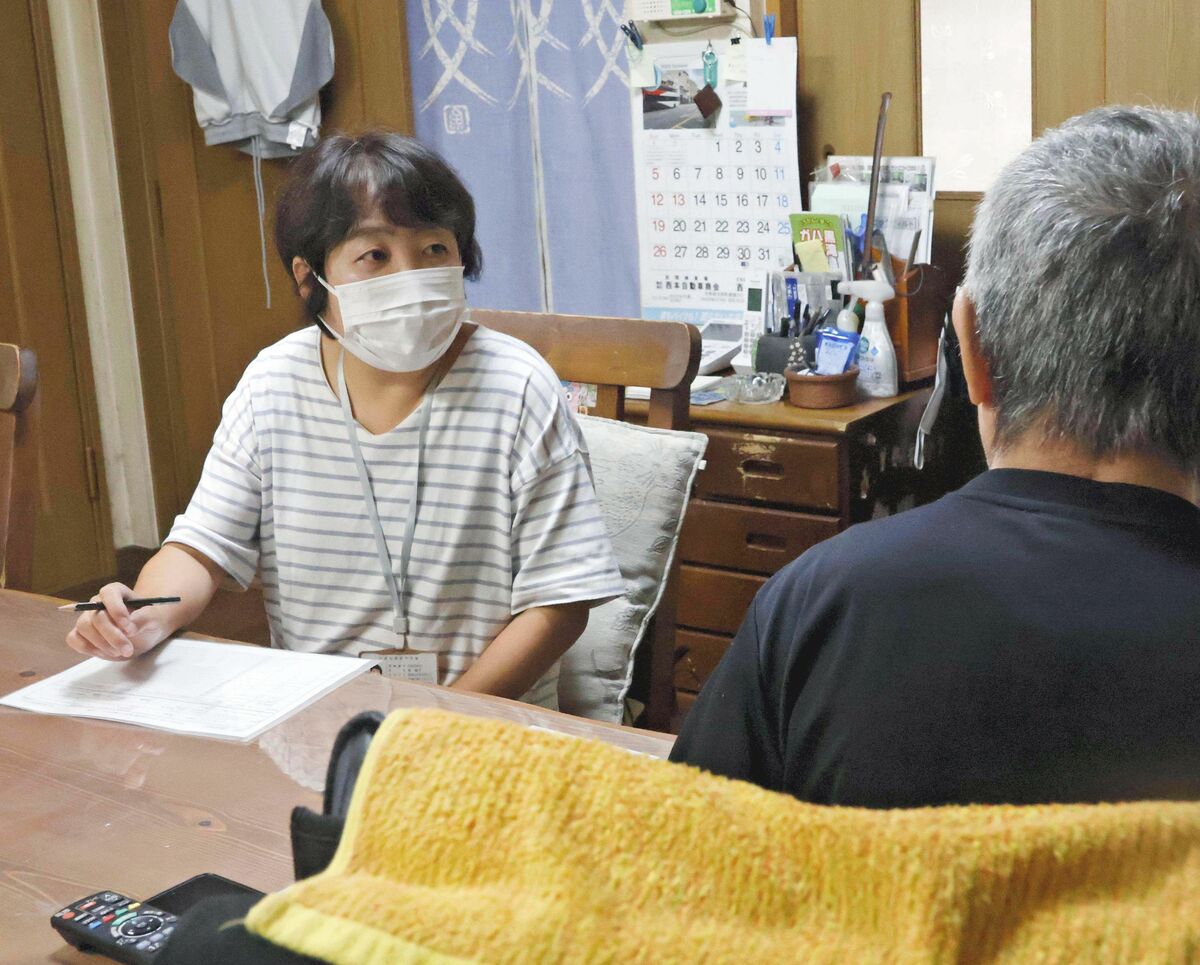
2. The Harsh Reality of "Elderly-to-Elderly" Care
A case highlighting the limits of home-based "Elderly-to-Elderly" (老老介護) care has gained attention, where an elderly man had to resort to deceiving his wife to admit her into a care facility. This incident underscores the psychological strain on families and the limits of home care as the population ages.
3. Development of a "Care DX Package Model"
To improve efficiency, a "Care DX (Digital Transformation) Package Model" has been developed to support facility operations. This move aims to leverage digital technology to mitigate persistent labor shortages in the industry.
4. Foreign Care Workers: A Lifeline or Temporary Fix?
The opening of the visiting care sector to foreign workers has sparked debate over whether this is a fundamental solution or merely a stopgap measure, with language barriers remaining a primary concern. While the government set caps for 2026—33,800 for Technical Intern Training and 126,900 for Specified Skilled Workers—critics argue this is insufficient for the population surge expected by 2040.
5. Deliberations on the 2027 Long-Term Care Insurance Act Amendment
The National Diet is currently reviewing the 2027 amendment to the Long-Term Care Insurance Act. The industry is closely watching key issues such as fiscal sustainability and the restructuring of service coverage, which will significantly impact the entire sector.
6. MHLW Releases Data on Improving Working Conditions
The Ministry of Health, Labour and Welfare's (MHLW) Social Security Council subcommittee has released reference materials on improving the working conditions of care staff. Salary increases are identified as a core factor in securing necessary talent.
7. Upcoming Dual Reform in 2027 Signals Industry Transformation
With both the Long-Term Care Benefit revisions and the Insurance Act amendments scheduled for 2027, the Social Security Council is currently organizing the key points for the next reform. The alignment of these two changes suggests a major structural shift for the industry.
8. Addressing the Psychological Pain of Care Recipients
Recent content has shed light on the perspective of the individuals receiving care, highlighting their psychological distress and loss of self-esteem. There is a growing call to shift the social debate toward the quality of care from the recipient's point of view.
Trends in the Singapore Elderly Care Market
1. Singapore Officially Becomes a "Super-Aged Society"
Singapore has officially entered "super-aged" status, and the "Age Well Neighbourhood" initiative is expanding to three new areas: Bedok, Bukit Panjang, and Tiong Bahru·Redhill. Health Minister Ong Ye Kung announced a plan to slow down the supply of community care apartments, citing the current diversity of housing options.

2. Court Denies Elderly Citizen's Request to Return Home
A Singaporean court rejected an elderly citizen's request to return home, ordering them to stay in a nursing home for another two years in their "best interest." The case highlighted the tension between personal autonomy and protection in an aging society.
3. TPG Launches Healthcare Group Operating 16 Nursing Homes
Global alternative asset manager TPG has launched a healthcare group in Singapore and Malaysia that operates 16 nursing homes along with ambulance and medical transport services, marking an increase in private capital entry into the care industry.
4. Calls for Regulatory Reform for Better Elderly Housing
Analysts suggest that regulatory reform is necessary to bridge the gap in elderly care and retirement living environments in Singapore, urging institutional changes to diversify housing options.
5. AIC Updates 2026 Seniors' Mobility and Enabling Fund (SMF)
The Agency for Integrated Care (AIC) announced that 2026 subsidy levels for home medical devices under the SMF will be determined based on the 2025 Annual Value (AV) of properties. Subsidized items can be ordered via the "Vertis Health Marketplace."
6. AIC Provides 2026 Guidance for Home Caregiving Grant (HCG)
AIC has released the 2026 eligibility criteria for the Home Caregiving Grant. For households without income, subsidy levels are determined by the Annual Value (AV) of the property, which can be verified through IRAS.
7. Monitoring Implications of China’s 400 Million Elderly Plan
With China pushing to care for over 400 million elderly by 2035, the breakdown of the three-generation household structure is reshaping its care landscape. Experts are monitoring how this change might impact Singapore, both directly and indirectly.
Policy and Market Implications
① Labor Shortage: A Shared Crisis with Different Strategies While Japan’s labor shortage is becoming structural due to "shadow work," foreign labor limitations, and slow improvement in working conditions, Singapore is responding through a mix of market mechanisms (like TPG's entry) and government support systems (AIC’s home subsidies).
② Reform Timing: Japan’s 2027 Dual Reform vs. Singapore’s Response Japan faces a major institutional shift with the simultaneous 2027 revisions, requiring industry-wide structural preparation. Singapore is rapidly strengthening its community-based support system, including managing community care apartment supplies and expanding Age Well Neighbourhoods.
③ Digital Transformation (DX) and Community Care Both nations are accelerating the adoption of new care models that combine technology and community. Japan is focusing on efficiency via DX packages, while Singapore is utilizing digital platforms like the Vertis Health Marketplace to facilitate home-care subsidies.
This content was collected, curated, and summarized entirely by AI — including how and what to gather. It may contain inaccuracies. Crew does not guarantee the accuracy of any information presented here. Always verify facts on your own before acting on them. Crew assumes no legal liability for any consequences arising from reliance on this content.
Powered by
