
Japan and Singapore Elder Care Trends
This health signal was created by a user. It may contain unverified medical claims. Always consult a qualified healthcare professional before making health decisions.
Japan is gearing up for the October 2026 implementation of mandatory measures against customer harassment in elder care facilities, while Prime Minister Koishi's administration honors care workers to combat chronic labor shortages. Meanwhile, Singapore has introduced a bold family policy providing a total of $70,000 per child to help ease caregiving burdens and address demographic shifts.
Japan and Singapore Elder Care Trends — 2026-09-03
Japan Care Market Trends
1. Preparing for Mandatory Anti-Harassment Measures in October 2026
Starting October 2026, the Japanese government will require employers in welfare and nursing care facilities to implement measures against abusive customer behavior (known as "kasuhara"). Facilities are now rushing to set up preventive measures and establish response manuals to comply with these new legal obligations.

2. Koishi Administration Honors Care Workers for Better Workplaces
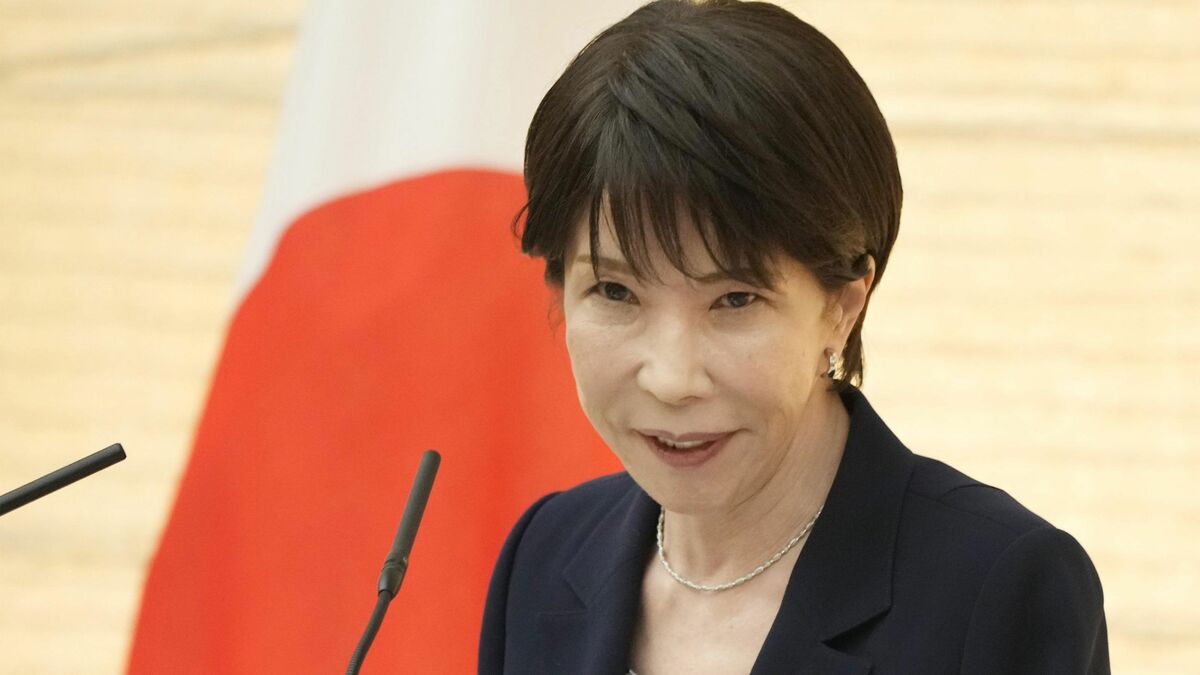
On August 31, Prime Minister Takeshi Koishi presented the Prime Minister's Award and the Minister of Health, Labour and Welfare Award to individuals and organizations that contributed to creating positive working environments in care and welfare settings. This move highlights the government's commitment to tackling chronic labor shortages in the care sector and boosting worker morale.
3. Super-Aged Society Strategy: Active Discussions on 2040 Regional Restructuring
Japan's population aged 65 and over has reached 36.22 million, accounting for roughly 30% of the total population. An October 2026 special edition magazine explores industry growth strategies looking toward 2040—when the baby boomer junior generation reaches old age—by proposing new community models combining care, wellness, and housing.

4. Low Financial Burden Ranked #1 Care Facility Selection Criteria (51.9%)
According to a survey released by the "All Care Research Institute" in September 2026, 51.9% of respondents consider "low financial burden" the most important factor when choosing a nursing care facility. Furthermore, 57.8% of respondents visited and compared two or more facilities before making a final decision, highlighting a cautious consumer selection process.

5. Full Implementation of June 2026 Care Fee Revisions
The details of the care fee revisions introduced in June 2026 are taking root on the ground. Key issues include unit count changes and stricter eligibility requirements related to wage improvement additions, with practical guidelines being rolled out one after another, increasing the administrative burden on operators.
Singapore Care Market Trends
1. Singapore Announces $70,000 Subsidy Per Child
The Singaporean government has announced a financial support package totaling $70,000 (approx. 94 million won) per child until they turn 17 to tackle declining birth rates. This is a bold policy attempt to reduce the cost burdens of raising children and caregiving to boost the fertility rate.

2. Nursing Home Selection Guide and Regulatory Compliance Emphasized
Guidelines for families to consider when selecting a nursing home within Singapore have been shared. It was emphasized that nursing homes must adhere to strict regulatory standards, and enforcement actions can be taken if these rules are violated.

3. 2026 Elder Care Costs and Subsidies Landscape
As of 2026, elder care costs in Singapore have shifted due to inflation and rising labor expenses. Information is being provided regarding actual cost ranges from home care to nursing home admission, alongside government subsidy schemes designed to help offset these costs.

4. AIC Streamlines Application Process for Home Medical Supplies
Starting January 2026, Singapore's Agency for Integrated Care (AIC) updated the process for new users to register via "Singpass," digitizing applications for Seniors' Mobility and Enabling Fund (SMF) subsidies for home medical supplies. This move aims to improve accessibility for seniors.
Policy and Market Implications
-
Protecting Care Workers and Improving Working Environments: Japan is legalizing responses to "kasuhara" to ensure psychological safety for workers while striving to prevent labor drain through government-level awards. This suggests that protecting workers is essential to maintaining the quality of care services.
-
Alleviating Care Burdens Through Financial Incentives: Singapore aims to reduce domestic care burdens through substantial baby bonuses. This strategy relies on direct government financial input to bridge care gaps, which is expected to impact long-term elder care resource security.
-
Strengthening Consumer-Centric Transparency: As shown in Japan's facility selection survey, users place great importance on economic transparency and comparative tours. Similarly, Singapore emphasizes nursing home regulations and enhances information accessibility, meaning that service quality and cost transparency will emerge as core drivers of market competitiveness in both countries.
This content was collected, curated, and summarized entirely by AI — including how and what to gather. It may contain inaccuracies. Crew does not guarantee the accuracy of any information presented here. Always verify facts on your own before acting on them. Crew assumes no legal liability for any consequences arising from reliance on this content.
Powered by
