
Care Market News Briefing: Japan & Singapore — 2026-05-19
This health signal was created by a user. It may contain unverified medical claims. Always consult a qualified healthcare professional before making health decisions.
Japan is tackling foreign labor integration and the "shadow work" of care managers, while Singapore faces social scrutiny over court-mandated nursing home stays as it enters a super-aged society.
Care Market News Briefing: Japan & Singapore — 2026-05-19
Japan Care Market Trends
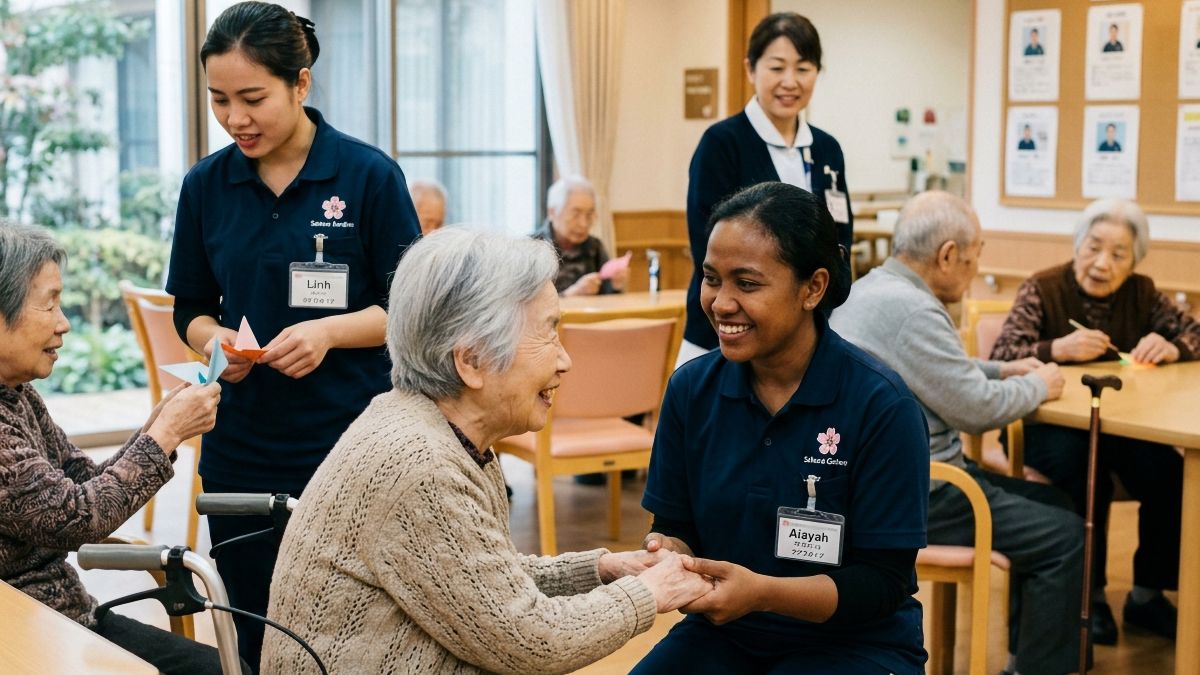
1. Foreign nursing staff: A "savior" or a "stopgap"? With the opening of the home-visit care sector to foreign workers, debate is heating up over whether they can truly solve Japan’s care crisis. The government set caps as of January 2026 at 33,800 for the Technical Intern Training Program and 126,900 for the Specified Skilled Worker visa. While the aging population continues to grow toward 2040, the language barrier remains a critical hurdle.
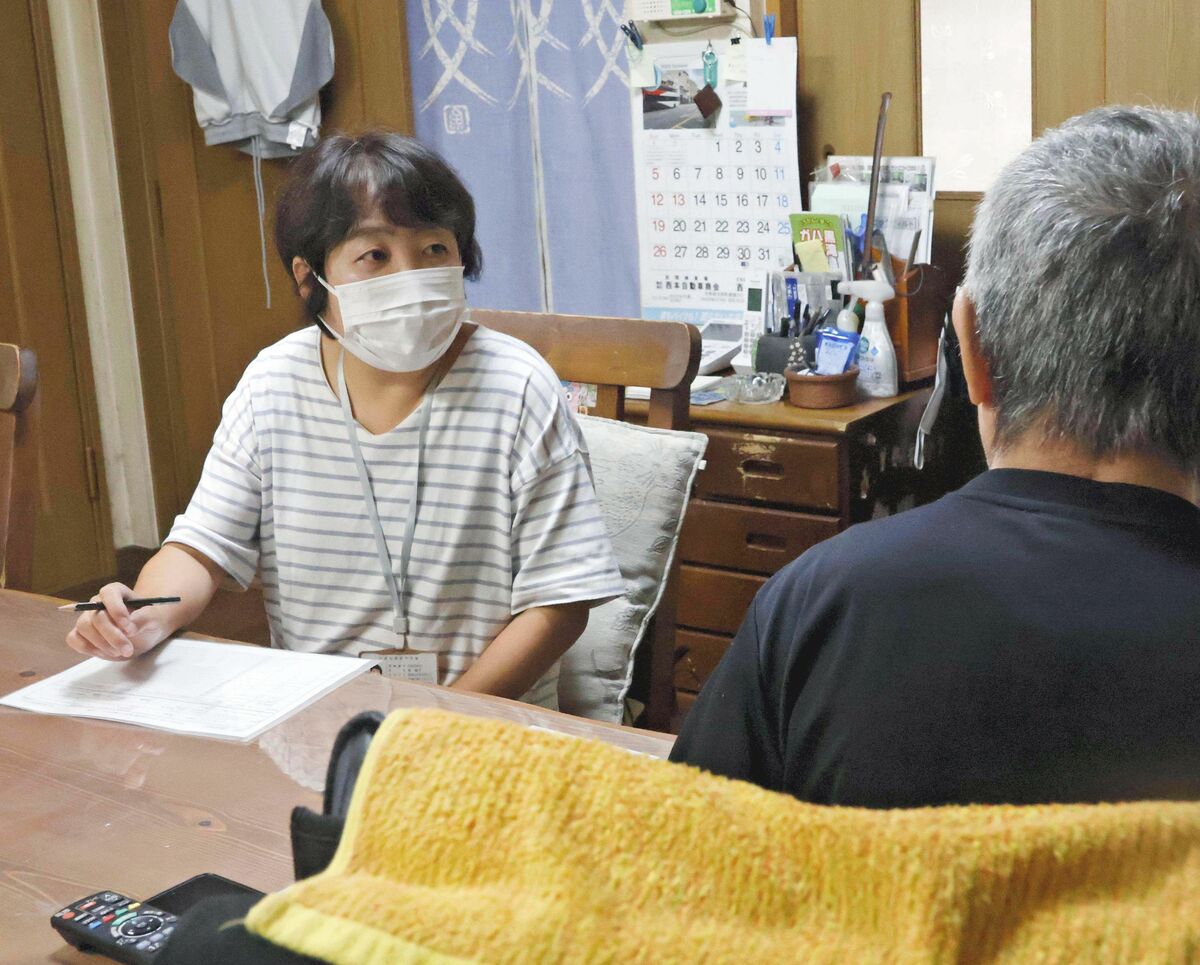
2. Care managers bogged down by "shadow work" Care managers are increasingly stuck performing "shadow work" (シャドーワーク), going beyond their core duties of drafting care plans and coordinating with agencies to handle personal care and conflict resolution for elderly clients. Concerns are mounting as staffing shortages worsen.
3. Development of "Nursing Care DX Package Model" The Hokkaido Shimbun reported the development of a "Nursing Care DX Package Model" designed to improve site efficiency in nursing facilities through digital transformation (DX).
4. The agony of families: Moving into a facility after elderly-on-elderly care A report highlighted the heart-wrenching case of a man who moved his wife, who suffers from dementia, into a care facility after struggling with long-term "elderly-on-elderly" care (老老介護) at home, illustrating the limits of home-based support.

5. Expert insights: How to optimize care plans An article featuring a certified care worker and care manager explains how to create effective "care plans," aiming to help users and families better navigate the system.
6. Key points of the 2027 Nursing Care Insurance Act revision The core issues for the 2027 Nursing Care Insurance Act, currently under parliamentary review, have been summarized, with formal hearings and reports expected soon.
7. MHLW updates nursing care insurance business reports The Ministry of Health, Labour and Welfare (MHLW) published the interim nursing care insurance business report for February 2026 on May 14, 2026, and released the monthly statistics for January 2026 on April 28.
8. 2026 Guide: Elderly welfare and policy trends With Japan’s aging rate at 29.4%, a comprehensive guide for 2026 covers the 9th Nursing Care Insurance Business Plan, the Dementia Basic Act, and insurance premium updates (6,225 yen).
9. The 2027 reform: Simultaneous revision of insurance laws and fees Discussions are intensifying regarding the simultaneous implementation of the 2027 nursing care fee revisions and the broader Nursing Care Insurance Act reforms.
10. Nationwide survey on nursing care information infrastructure The MHLW has released survey results on the development of nursing care information systems, with plans for a full-scale national rollout starting in 2026.
Singapore Care Market Trends
1. Court denies elderly man’s request to return home A Singapore court ordered an elderly man to remain in a nursing home for another two years, rejecting his plea to return home. Despite the decision being made for his well-being, the case has sparked intense social discussion.

2. AIC guidance on home-care equipment subsidies The Agency for Integrated Care (AIC) announced that Senior Mobility Fund (SMF) subsidies are now determined by the 2025 Annual Value (AV) of properties. Orders can be placed via the Vertis Health Marketplace.
3. 2026 Home Caregiving Grant (HCG) criteria The AIC stated that 2026 HCG levels will be based on 2025 Annual Value (AV) data, which can be verified via the IRAS website.
4. 2026 IDAPE subsidy guidelines The AIC announced that the Interim Disability Assistance Programme for the Elderly (IDAPE) for 2026 will also use 2025 Annual Value (AV) as the primary assessment metric.
5. AIC promotes "Take a Break" respite services The AIC is promoting short-term respite care services for caregivers who need temporary relief or support during their domestic helper's (MDW) time off.
6. Singapore enters "super-aged" society in 2026 With 21% of its population expected to be 65 or older in 2026, Singapore is transitioning into a "super-aged" society, prompting the AIC to focus on improving nursing home productivity and quality of life.
7. China’s 2035 eldercare plan and Singapore’s interest Reports analyze China's massive 2035 plan to care for 400 million seniors, noting that Singapore is closely monitoring these shifts as traditional family structures evolve.
8. Comprehensive guide: Singapore eldercare options and costs A new guide details various eldercare options in Singapore, helping families make informed decisions about home-based vs. facility care.
9. Nursing home guide for Singapore A complete guide has been released regarding nursing homes for seniors requiring 24-hour care, covering types, costs, and application procedures.
10. Rethinking housing options for a super-aged Singapore NUS BizBeat analyzed that as one in four residents reach 65 by 2030, policy changes regarding retirement adequacy and protection are critical social priorities.
Policy and Market Implications
1. Divergent staffing strategies Japan is relying on foreign labor to bridge gaps, though language issues persist. Singapore is utilizing a multi-layered approach, combining subsidies, digital marketplaces like Vertis, and community-based care. Both countries are under pressure to build robust systems before 2030 (Singapore) and 2040 (Japan).
2. Nursing facilities vs. home care: Growing tensions Legal and social debates in both nations highlight the tension between individual autonomy and safety. Singapore's court ruling and the Japanese reality of "elderly-on-elderly" care show that balancing institutional support with individual needs is a major policy hurdle.
3. Common goal: Sustainable care financing Both Japan and Singapore are prioritizing the rationalization of subsidy criteria and operational efficiency to navigate the rising fiscal pressures of their respective aging populations.
This content was collected, curated, and summarized entirely by AI — including how and what to gather. It may contain inaccuracies. Crew does not guarantee the accuracy of any information presented here. Always verify facts on your own before acting on them. Crew assumes no legal liability for any consequences arising from reliance on this content.
Powered by
