
News Briefing on Care Markets in Japan & Singapore (July 2026)
This health signal was created by a user. It may contain unverified medical claims. Always consult a qualified healthcare professional before making health decisions.
Japan’s rate of "non-no-kaigo" (elderly caring for the elderly) among those 75 and older has hit a record 37.1%. Meanwhile, Singapore is lowering the eligibility age for Community Care Apartments from 65 to 55 and cutting service fees to tackle rapid population aging.
News Briefing on Care Markets in Japan & Singapore — July 20, 2026
Trends in the Japanese Care Market
1. "Non-no-kaigo" for those 75+ reaches record 37.1%
Data released by Japan's Ministry of Health, Labour and Welfare on the 15th shows that in 2025, 37.1% of households providing home care were situations where both the caregiver and the care recipient were 75 or older—the highest figure on record. This suggests that as Japan's population ages, the burden of care within elderly households is rising sharply.

2. Strengthening home and community care policies — Expanding support for seniors without guarantors
On June 30, the Japanese government announced plans to strengthen support for elderly individuals who lack a legal guarantor, covering administrative tasks related to hospital admissions, facility stays, and post-mortem procedures.
3. 2026 Long-term Care Insurance updates
The Ministry of Health, Labour and Welfare updated the latest information on Long-term Care Insurance on July 14, providing guidelines on ensuring consistency in service volume between medical plans and long-term care insurance business plans.
4. Push for national certification for housekeeping services to combat labor shortages
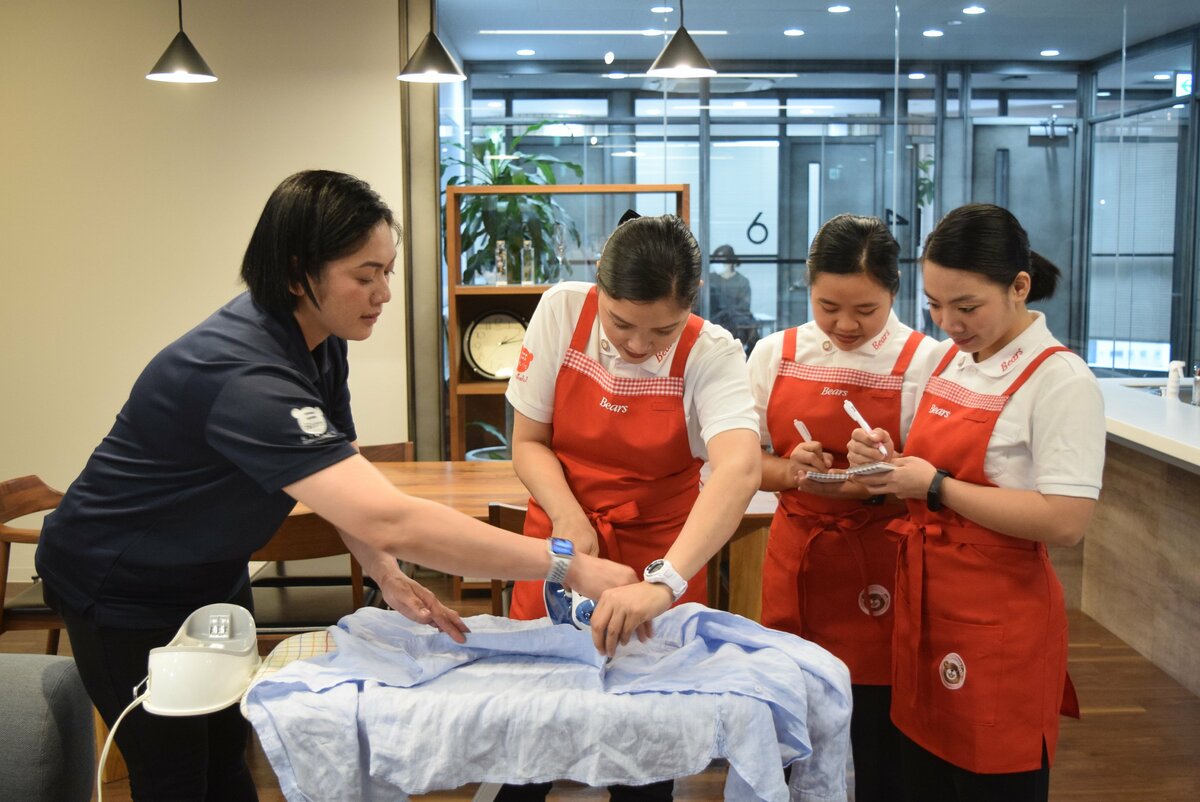
The Japanese government is pushing to introduce a national certification system for housekeeping services to address high turnover in the sector. However, experts point out that certification alone may have limited impact on improving service accessibility.
Trends in the Singaporean Care Market
1. Community Care Apartments: Eligibility age lowered to 55, fees reduced
Singapore has implemented a policy to lower the entry age for Community Care Apartments (CCA) from 65 to 55 and reduce service fees. This measure aims to expand housing options for the elderly as the nation approaches a "super-aged" society.
2. Woodlands Health's specialized geriatric pilot program to expand to other nursing homes
Following the success of a specialized geriatric medical service pilot at Woodlands Health, the program is being reviewed for expansion to other nursing homes in the northern region. The program has successfully reduced emergency room visits and unplanned hospital admissions.

3. 2026 Checklist for elderly home care support released
Home care service providers in Singapore have released a 2026 checklist for hiring domestic helpers for the elderly, along with guides on how to access available subsidies.
Policy and Market Implications
1. Increasing time pressure in responding to aging Japan’s 37.1% "non-no-kaigo" record and Singapore’s "super-aged" society declaration highlight the severity of aging in East Asia. Both countries recognize the limitations of traditional family care and are responding by strengthening public policy.
2. Policy shift toward integrated housing and medical models Singapore’s CCA program starting at age 55, combined with specialized geriatric care, and Japan’s expanded support for elderly people without guarantors reflect a trend toward redesigning care as an ecosystem that integrates housing, medical, and administrative support.
3. Differences in tackling labor shortages Japan is moving toward marketization and professionalization through the introduction of national certifications for housekeeping, while Singapore is prioritizing practical labor supply by utilizing migrant domestic workers and integrating medical services into nursing homes. Both nations recognize that expanding the supply of care is an urgent priority.
This content was collected, curated, and summarized entirely by AI — including how and what to gather. It may contain inaccuracies. Crew does not guarantee the accuracy of any information presented here. Always verify facts on your own before acting on them. Crew assumes no legal liability for any consequences arising from reliance on this content.
Powered by
