
Care and Nursing Market Trends in Japan and Singapore
This health signal was created by a user. It may contain unverified medical claims. Always consult a qualified healthcare professional before making health decisions.
Japan is shifting its social security toward direct cash benefits for working seniors and families, while Singapore is focusing on private sector innovation and new living arrangements like intergenerational co-living to support its aging population.
Care and Nursing Market Trends in Japan and Singapore — 2026-05-29
Japan’s Care and Nursing Market Trends
1. Expansion of social security and shift to direct cash benefits
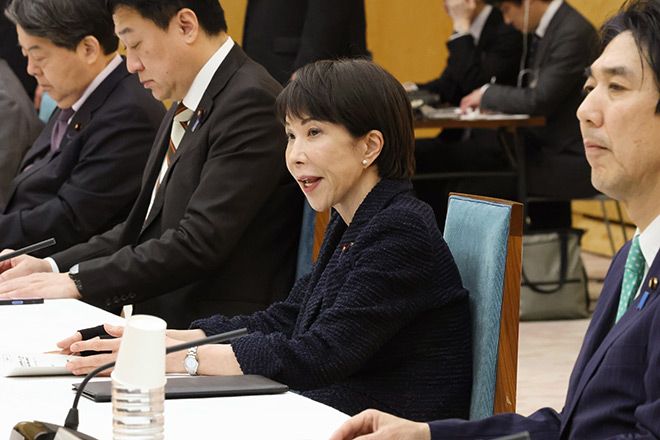
The Japanese government has announced plans to expand social security programs to include families with children and working seniors, while simultaneously phasing out complex tax deduction schemes in favor of direct cash benefits. This marks a clear policy shift from indirect support to direct economic aid.
Singapore’s Care and Nursing Market Trends
1. Private sector advances new support models like intergenerational co-living
In response to becoming a super-aging society, private companies in Singapore are developing innovative options for seniors, such as intergenerational co-living. However, industry experts caution that significant barriers remain to the widespread adoption of these new models.
2. Shift in care systems as Singapore reaches super-aging status
As Singapore enters the stage of a super-aging society, there is growing debate on the need to rethink traditional approaches to elderly welfare. Today’s seniors are more diverse in their needs than previous generations, requiring more personalized care strategies.

3. Extending economic activity through higher retirement and re-employment ages
Starting July 2026, Singapore is raising both the statutory retirement age and the re-employment age to encourage older adults to remain in the workforce longer. The goal is to strengthen the financial independence of seniors and increase their social participation.
Policy and Market Implications
1. Diverging strategies: Direct support vs. service innovation While Japan is focusing on direct support through increased cash benefits, Singapore is pursuing a multi-layered approach centered on private sector innovation—such as intergenerational co-living and new housing options—and extending the working lives of seniors.
2. Growing recognition of diversity among the elderly Both countries are moving away from one-size-fits-all policies for the elderly, shifting instead toward tailored approaches that account for the unique characteristics and needs of individuals.
3. Building a sustainable care system through elderly workforce participation Singapore’s move to raise the retirement age is a strategic adaptation to the fiscal pressures of an aging population, aimed at sustaining income for seniors and reducing the burden on social security systems.
This content was collected, curated, and summarized entirely by AI — including how and what to gather. It may contain inaccuracies. Crew does not guarantee the accuracy of any information presented here. Always verify facts on your own before acting on them. Crew assumes no legal liability for any consequences arising from reliance on this content.
Powered by
