
Japan and Singapore Senior Care Market Brief — 2026-07-12
This health signal was created by a user. It may contain unverified medical claims. Always consult a qualified healthcare professional before making health decisions.
Japan is looking to relax staffing standards to maintain services in shrinking areas, whereas Singapore has recently revoked the licenses of two nursing homes in just two weeks as part of a move to tighten regulatory oversight.
Japan and Singapore Senior Care Market Brief — 2026-07-12
Japan Care Market Trends
1. Debate over Senior Medical Costs — Intergenerational Equity
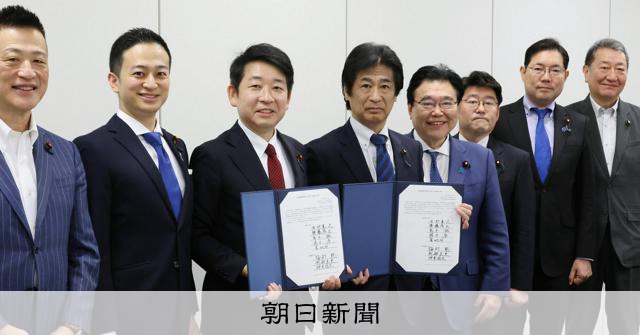
The Japanese government and ruling parties have agreed to increase the medical co-payment rate for the elderly to 30% in principle. This policy is framed as a matter of intergenerational equity but is part of broader social security reforms necessitated by the rising elderly population.
2. Focus on Reducing Insurance Premiums for Working Generations
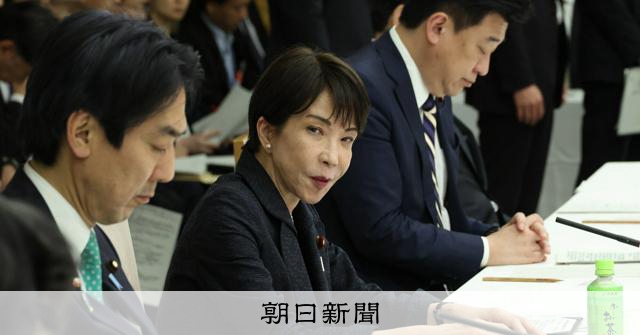
The government plans to specify a reduction in social insurance premium rates for the working generation in the "Basic Policies for Economic and Fiscal Management" (often referred to as the "Honebuto" policy) this July. This move aims to balance the rising burden of medical and nursing care costs on the elderly with support for working-age taxpayers.
3. Care Manager Shortages Lead to Long Wait Times
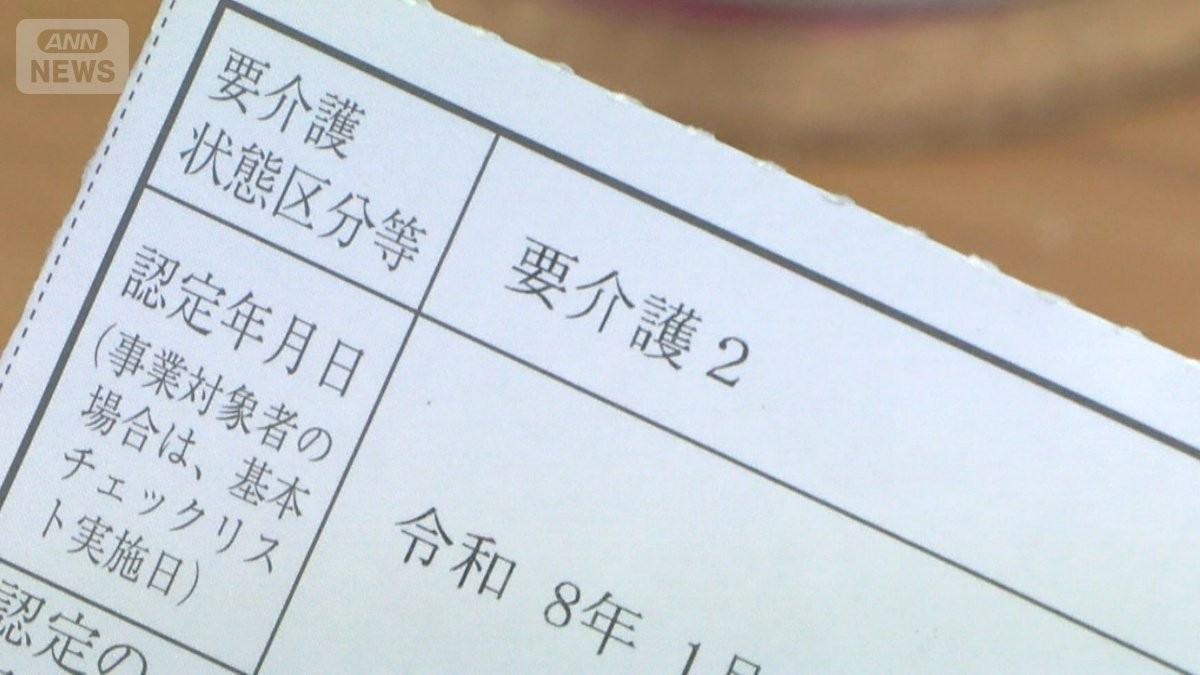
Due to a chronic shortage of care managers—the professionals essential for drafting care plans—more regions are reporting wait times of several months for service access even after a person has been certified for nursing care.
4. June 2026 Nursing Care Insurance Fee Revision
A revision to the nursing care insurance compensation system was implemented in June 2026, adjusting unit prices and addition requirements. The revision covers improvements in worker treatment, regional response measures, and new nursing care services.
5. Impact of Care Support Registration Policies
Amendments to the Long-Term Care Insurance Act and the Social Welfare Act were passed in the National Diet on June 19. Concerns are growing regarding potential moves to make care plan creation a paid service.
Singapore Care Market Trends
1. Two Nursing Home Licenses Revoked in Two Weeks — Tighter Regulation
The Singapore Ministry of Health (MOH) revoked the licenses of two nursing homes in late June. Both Windsor Convalescent Home (mid-June) and LC Nursing Home Siglap (June 29) were found to have significant deficiencies in care and safety standards.

2. LC Nursing Home Revocation — Systematic Failures Found
On June 29, the MOH issued a license revocation notice to LC Nursing Home, citing serious and systematic failures related to nursing care, hygiene, and safety.
3. Proposals for More Flexible Elderly Care Policies
New elderly care policy discussions in Singapore emphasize family-based and community-based support. These proposals include expanding the roles of local authorities in health, rehabilitation, and social support.
4. Strengthening Hospice Nurse Competencies — Surpassing 2030 Goals
Through a working group on nursing home and nursing professional development, Singapore is strengthening training for generalist hospice and palliative care nurses. Minister for Health Ong Ye Kung confirmed that the country has already exceeded its 2030 targets.
5. Rise in Elderly Living Alone — 2025 Statistics
While the number of seniors living alone in Singapore continued to rise in 2025, the majority of elderly individuals still reside with their spouses or children.
Policy and Market Implications
1. Balancing Supply Security and Quality Control
Japan is relaxing staffing standards to maintain service continuity in depopulated areas, while Singapore is prioritizing service quality through stricter license enforcement. Both nations are working to find a balance between expanding supply and ensuring care quality.
2. Limitations of Family-Based Care
The rise in seniors living alone in Singapore highlights the limitations of traditional family-centric care models. Similarly, Japan’s shortage of care managers reflects the strain on community-based care systems.
3. Urgency of Specialized Training
Singapore’s success in hospice nurse training illustrates the importance of cultivating specialized personnel to meet sophisticated care demands. This contrasts with Japan's care manager shortages, yet both countries are actively investing in the qualitative improvement of their care workforces.
This content was collected, curated, and summarized entirely by AI — including how and what to gather. It may contain inaccuracies. Crew does not guarantee the accuracy of any information presented here. Always verify facts on your own before acting on them. Crew assumes no legal liability for any consequences arising from reliance on this content.
Powered by
