
Japan and Singapore Care Market News — 2026-06-19
This health signal was created by a user. It may contain unverified medical claims. Always consult a qualified healthcare professional before making health decisions.
Japan’s Diet passed laws to expand support for the elderly living alone and maintain care services in depopulated areas. In Singapore, the Windsor Convalescent Home will have its license revoked, and new elderly employment policies take effect in July.
Japan and Singapore Care Market News — 2026-06-19
Japan Care and Nursing Market Trends
1. Law passed to support elderly living alone On June 19, 2026 (local time), the Japanese Diet passed a legislative amendment to expand support for elderly individuals who lack relatives or reliable family support. This stems from the growing number of single-person households and disconnected family ties in Japan's aging society.
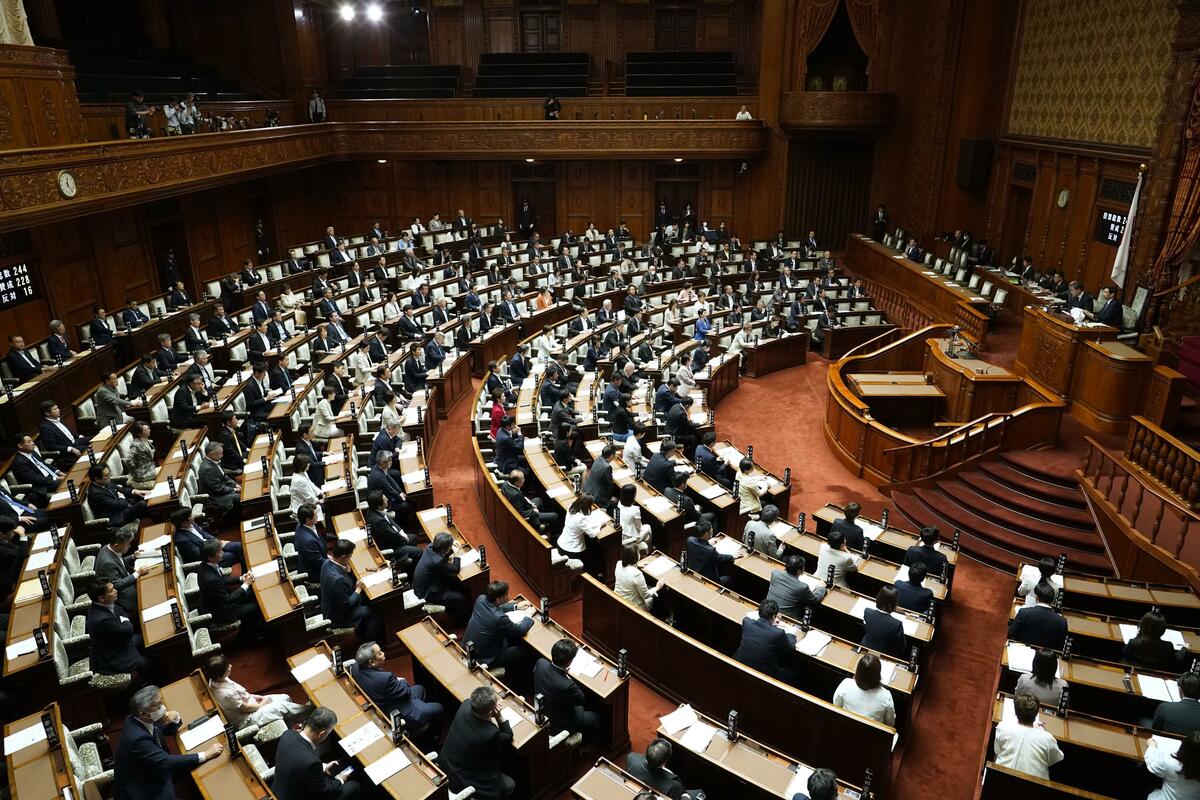
2. Law enacted to maintain care services in depopulated areas The amended Long-Term Care Insurance Act was passed and enacted at the House of Councillors plenary session on June 19, 2026. The law aims to sustain care services in depopulated areas by easing staffing standards for providers and introducing new systems for areas where service provision is difficult.
3. Deepening debates on medical cost burdens The Ishin party is urging an increase in the elderly medical cost burden from the current level to 30%, but the Liberal Democratic Party (LDP) remains cautious. A clear divide between ruling and opposition parties is emerging regarding social security reform.

4. Discussions on the 2027 nursing care fee revision Discussions are underway at the Care Benefit Subcommittee regarding the upcoming 2027 nursing care fee revisions, focusing on improvements for outpatient care (day service) and short-stay nursing care.
Singapore Care and Nursing Market Trends
1. Decision to revoke Windsor Convalescent Home license The Singapore Ministry of Health (MOH) has decided to revoke the license of the Windsor Convalescent Home, located in Pasir Panjang, effective October 30, 2026. Deficiencies identified in a December 2024 audit remained present during a follow-up inspection in April 2026, revealing serious and systemic failures in resident safety, clinical management, and infection control practices.

2. Follow-up measures on heightened nursing home monitoring The Windsor Convalescent Home had been under heightened monitoring since December 2024, but failed to show sustained improvement. This series of issues has raised questions regarding Singapore’s nursing facility monitoring system and compliance standards.

3. Gen Z distancing from eldercare There is a growing trend of Gen Z volunteers in Singapore avoiding volunteer work related to aging. Experts suggest that the "silver tsunami" narrative is causing fear among the younger generation and undue pressure on the elderly, indicating a need to improve social perceptions.
4. Increasing re-employment age for elderly workers The Singaporean government plans to raise the statutory retirement age to 64 and the re-employment age ceiling to 69, effective July 1, 2026. This is a major policy shift that will impact retirement planning.
Policy and Market Implications
1. Fundamental restructuring of national care systems Both Japan and Singapore have begun a fundamental redesign of their care systems in response to shifting demographics. Japan is making regulatory standards more flexible to ensure service continuity in depopulated areas, while Singapore is responding by strengthening safety standards for nursing facilities.
2. Enhancing care labor supply and elderly social participation Japan’s debate on nursing care fee revisions and Singapore’s policy to raise the retirement age both reflect an intent to increase the participation of elderly workers in the labor market. Resolving labor shortages in the face of rising demand for care services is a common challenge for both nations.
3. The dual challenge of quality control and social awareness Singapore’s license revocation and the trend of Gen Z volunteer avoidance highlight the simultaneous need for enforcing care quality and raising social awareness. While Japan focuses on regulatory flexibility and Singapore on tighter monitoring, both countries recognize that enhancing public perception and practical expertise remains a core challenge.
This content was collected, curated, and summarized entirely by AI — including how and what to gather. It may contain inaccuracies. Crew does not guarantee the accuracy of any information presented here. Always verify facts on your own before acting on them. Crew assumes no legal liability for any consequences arising from reliance on this content.
Powered by
