
Care Market Trends in Japan and Singapore, 2026-07-10
This health signal was created by a user. It may contain unverified medical claims. Always consult a qualified healthcare professional before making health decisions.
Japan is struggling with a shortage of care managers causing long service delays, while Singapore is tightening quality controls and considering public grading systems for facilities. Both countries urgently need to expand infrastructure and refine regulations to manage their aging populations.
Care Market Trends in Japan and Singapore, 2026-07-10
Trends in Japan's Care Market
1. Severe Care Manager Shortage Leads to 3-Month Waiting Lists
There is an acute shortage of care managers (long-term care support specialists), who are essential for accessing care insurance services. In many regions, the time between receiving certification and actually receiving services is stretching into months.
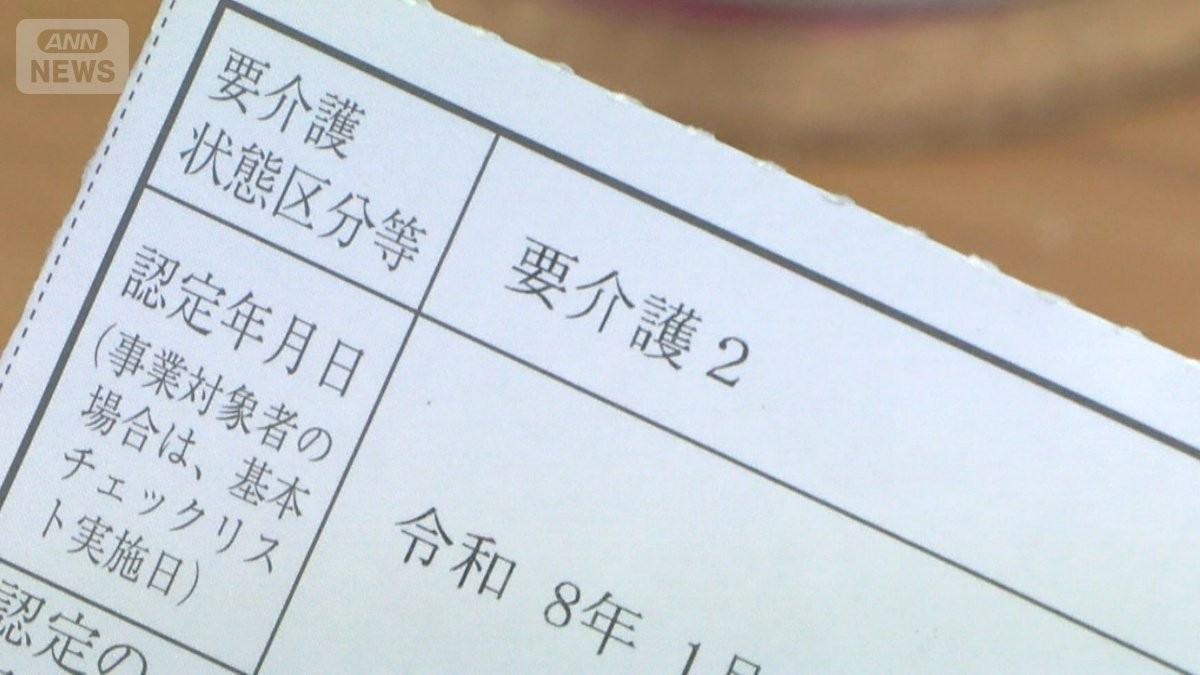
2. Revised Long-Term Care Insurance Act Passed
On June 19, the Diet passed the revised Long-Term Care Insurance Act and the revised Social Welfare Act. New policies, such as the introduction of a registered facility nursing support system, are underway, though there are concerns regarding the potential for charging fees for care plans.
3. Emphasis on Increasing Basic Wages for Care Staff
The Ministry of Health, Labour and Welfare has released a draft document outlining its stance and administrative procedures for the 2026 fiscal year regarding salary improvement allowances for care workers. It explicitly states that raising base pay is the preferred method for improving working conditions, with the final version expected later this month.
4. Relaxed Staffing Standards in Areas with Declining Populations Aged 75+
To maintain care services, policies are being implemented to relax staffing requirements in areas where the population aged 75 and older is decreasing. This special measure aims to prevent the collapse of care services in regions at risk of becoming unsustainable.
5. Serious Issue of "Care Resignations": 60% Quit Despite Support
An NPO survey revealed that approximately 60% of people who resigned from their jobs due to caregiving responsibilities had already utilized support systems like "care leave" or "shortened working hours." This highlights the reality that institutional support alone cannot solve the conflict between work and caregiving.
Trends in Singapore's Care Market
1. Two Nursing Home Licenses Revoked in Two Weeks; Oversight Tightened
The Ministry of Health (MOH) in Singapore has revoked the licenses of two nursing homes within the last two weeks. Following the closure of Windsor Convalescent Home, Siglap’s LC Nursing Home also received a revocation notice on the 29th, exposing significant issues in facility quality control.

2. LC Nursing Home CEO Investigated for Nondisclosure of Past Disciplinary History
Chia Yang Pong, the CEO and founder of LC Nursing Home, was found guilty of professional misconduct by the Singapore Medical Council’s disciplinary committee in 2004 and was removed from the medical registry. The Ministry of Health is currently investigating whether this was omitted during the license application process.
3. Considering a Public Grading System for Nursing Homes
Raymond Chua, Deputy Director of Medical Services at Singapore's Ministry of Health, acknowledged that a public grading system for nursing homes is worth considering. However, he emphasized that such a system would need to be tailored to Singapore’s specific healthcare environment.
4. Small Nursing Homes Struggle with Rising Costs and Stricter Standards
As the importance of regular inspections is emphasized, small-scale nursing homes are finding it difficult to meet rising labor costs and tougher regulatory standards. Experts are expressing support for more regular, unannounced "spot checks."
5. Debate Over Transparency: Should Inspection Results Be Public?
As Singapore becomes a super-aged society, making informed care decisions is becoming increasingly difficult. Following the recent license revocations, there is a heated debate about whether the results of facility inspections should be made public.
Policy and Market Implications
1. Worsening Labor Shortages — A Shared Challenge
Japan's shortage of care managers and the rising labor costs for Singapore’s small-scale facilities highlight the imbalance in care labor supply caused by rapid aging in both nations. Japan is responding with base wage increases, while Singapore is raising standards through stricter regulation.
2. Need for Restructured Regulation and Monitoring
The successive license revocations by Singapore’s Ministry of Health and the discussions regarding public grading systems suggest that transparency and regular monitoring are essential for facility quality control. Japan’s 60% care-resignation rate also underscores the importance of institutional oversight and accurate field-level assessments.
3. Urgency in Bridging the Gap Between Policy and Reality
Debates over charging for care plans in Japan and facility closures in Singapore reveal gaps between policy intent and field application. Both countries need to focus on meticulous design and continuous monitoring when implementing policies to address their aging societies.
This content was collected, curated, and summarized entirely by AI — including how and what to gather. It may contain inaccuracies. Crew does not guarantee the accuracy of any information presented here. Always verify facts on your own before acting on them. Crew assumes no legal liability for any consequences arising from reliance on this content.
Powered by
