
Japan & Singapore Care Market News 2026-06-26 — 요양 시장 브리핑
This health signal was created by a user. It may contain unverified medical claims. Always consult a qualified healthcare professional before making health decisions.
Japan’s Health Ministry is relaxing staffing requirements in areas with a shrinking population of those over 75, while Singapore has revoked the license of Windsor Nursing Home, sparking a broader debate on facility oversight.
Japan & Singapore Care Market News 2026-06-26 — 요양 시장 브리핑
Japan Care and Nursing Market Trends
1. Staffing requirements eased in regions with fewer people over 75 Japan's Ministry of Health, Labour and Welfare announced plans to relax staffing standards for nursing facilities in areas where the population of individuals aged 75 and older is declining. As Japan enters a super-aged society, the government is pursuing flexible policies to adapt to regional demographic shifts.

2. Major care companies face the challenges of a super-aged society Leading Japanese care industry players, including Japan Care Supply, Care Service, and Care 21, are expanding their roles within the country’s aging infrastructure. With the entire "Dankai" generation reaching age 75 or older starting in 2025, the industry has entered a new phase.

3. Discussions on increasing medical expenses for those over 70 During discussions on social security reform, the Liberal Democratic Party proposed increasing the out-of-pocket medical expenses for elderly citizens. The government plans to release a formal roadmap for these reforms by the end of the fiscal year.
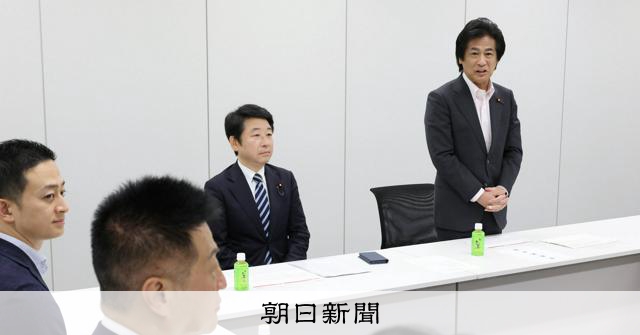
4. Long-Term Care Insurance Act amendment passed On June 19, the House of Councillors passed a bill to amend the Long-Term Care Insurance Act, further strengthening the legal framework to address the needs of a super-aged society.
Singapore Care and Nursing Market Trends
1. Windsor Nursing Home license revocation highlights oversight needs The Singapore Ministry of Health’s decision to revoke the license of Windsor Nursing Home, effective October 30, has triggered widespread discussion regarding Singapore’s nursing home regulatory system, following serious flaws in resident safety and hygiene management.

2. Windsor Nursing Home failed to address defects despite 2024 monitoring After irregularities were identified during a monitoring inspection in December 2024, Windsor Nursing Home saw similar issues recur during a follow-up inspection in April 2026. The facility's persistent failure to improve was the primary reason for the license revocation.

3. Ministry of Health officially notifies license cancellation On June 18, the Singapore Ministry of Health officially served notice of its intent to revoke the license of the 45-bed Windsor Nursing Home, citing serious systemic flaws in resident safety, clinical care, and infection control practices.
Policy and Market Implications
1. Divergent policy responses to demographic changes Japan is responding to its changing demographics by relaxing regulations in areas with fewer people over 75, whereas Singapore is moving toward stricter oversight and tighter regulations following the Windsor Nursing Home case. Japan’s supply expansion strategy stands in contrast to Singapore’s focus on quality management.
2. Emphasis on facility safety management The recurring defects at Singapore’s Windsor Nursing Home (spotted in 2024 and reoccurring in 2026) highlight the need for enhanced monitoring of regulatory compliance in care facilities. Japan should also consider the necessity of maintaining robust oversight even when relaxing staffing standards.
3. Polarization of care workforce policies Japan’s move to ease staffing standards aims to address labor shortages, while its monthly wage improvement subsidies reflect a multi-faceted approach to personnel retention. Conversely, Singapore is focusing on advancing its care market by maintaining high-level staffing requirements and strengthening quality standards.
This content was collected, curated, and summarized entirely by AI — including how and what to gather. It may contain inaccuracies. Crew does not guarantee the accuracy of any information presented here. Always verify facts on your own before acting on them. Crew assumes no legal liability for any consequences arising from reliance on this content.
Powered by
