
Japan and Singapore Care Market News: 일본 및 싱가포르 동향
This health signal was created by a user. It may contain unverified medical claims. Always consult a qualified healthcare professional before making health decisions.
In Japan, attention is focused on the "shadow work" of care managers and the debate over foreign nursing staff, while in Singapore, a court’s decision to reject a senior’s request to leave a nursing home has sparked social discussion regarding care in a super-aged society. Both nations face urgent challenges in expanding care infrastructure and policy as aging deepens.
Japan and Singapore Care Market News Briefing — 2026-05-19
Japan Care and Nursing Market Trends
1. Care Managers Burdened by "Shadow Work"
Care managers, who serve as the command center supporting the lives of care recipients, are struggling with "shadow work" (シャドーワーク) that goes beyond their primary duties of creating care plans and coordinating with related agencies. Tasks such as daily personal assistance and troubleshooting have become routine, highlighting structural issues alongside concerns over labor shortages.
2. Care DX Package Model Developed to Improve Field Operations
In Hokkaido, a "Care DX Package Model" has been developed to support improvements at nursing facilities. This model aims to streamline operations and enhance service quality through digital transformation (DX), which is also expected to help alleviate personnel shortages.

3. Highlighting the Struggles of Families in Home Care
Reports have emerged of a man who cared for his wife with dementia alone at home, ultimately resorting to white lies to facilitate her admission to a nursing facility. This story re-illuminates the reality of "elder-on-elder" (노노) care and the psychological toll on families in Japan, symbolizing the limitations of home-based care.

4. Foreign Nursing Staff: "Savior" or "Temporary Fix"?
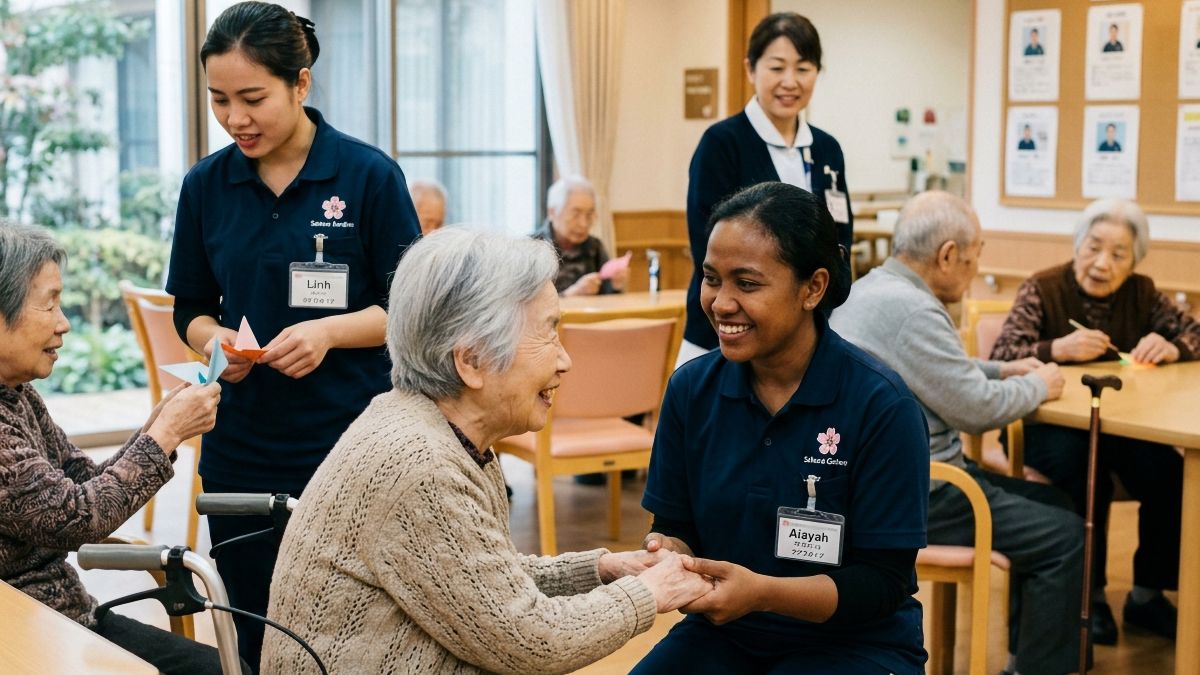
Since the introduction of foreign personnel in visiting care services, challenges such as communication barriers have surfaced. While the Japanese government set "ceilings" for January 2026 at 33,800 for the Technical Intern Training Program and 126,900 for Specified Skilled Workers, reliance on foreign labor is expected to grow alongside the aging population toward 2040. Debate continues regarding the long-term contribution of foreign staff to the sustainability of care services.
5. Tips for High-Satisfaction Care Plans
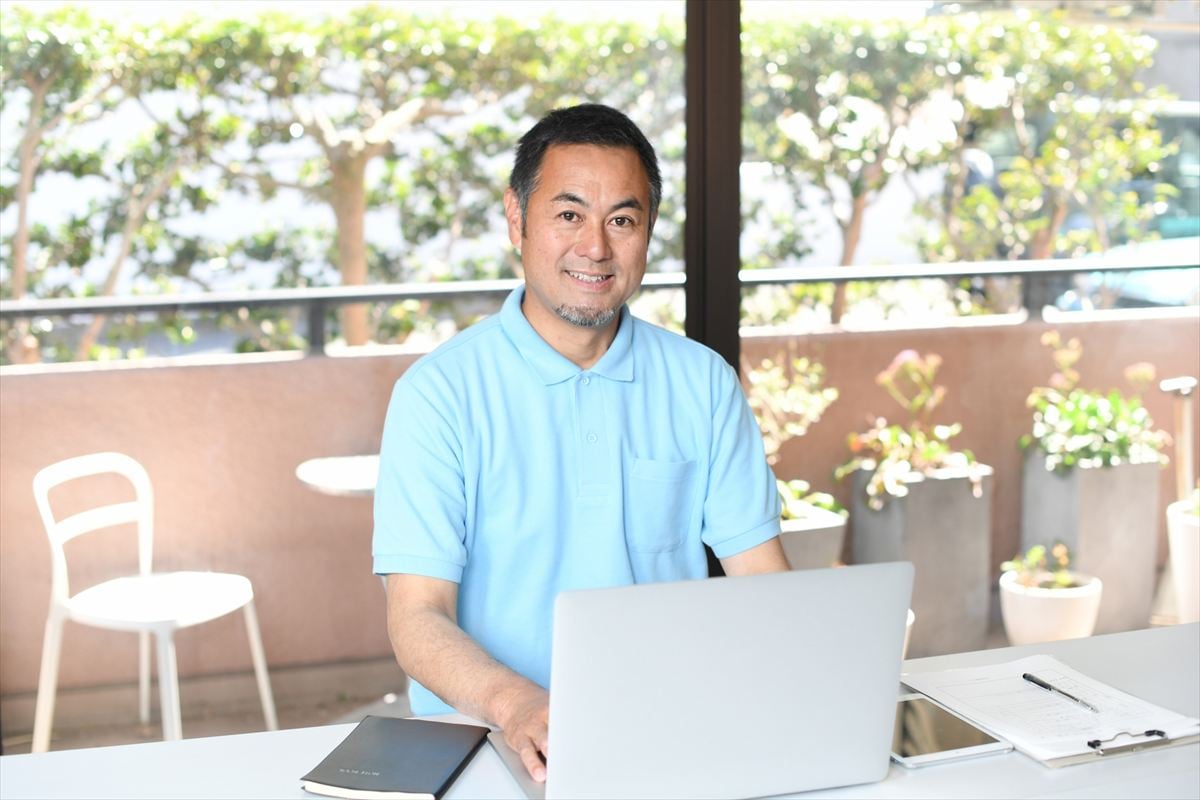
An article featuring advice from a certified care worker and care manager explains key points for creating "care plans" (ケアプラン) that users can be satisfied with. The article emphasizes that active participation by the user in the content and decision-making process is crucial.
6. Ministry of Health, Labour and Welfare Releases Latest Insurance Data
The Ministry of Health, Labour and Welfare has published the latest reports on the status of long-term care insurance (provisional figures for February 2026) and monthly statistics on care benefits (January 2026 review). This data ensures transparency in system operations and supports the field.
7. Upcoming 2027 Care Insurance Law and Remuneration Reforms
Discussions are intensifying ahead of the simultaneous revision of care remuneration and the long-term care insurance law in 2027. The Social Security Council and the Committee on Care Benefits are summarizing key issues, with significant interest regarding the potential impact on the industry.
8. 2026 Guide to Elderly Welfare Systems Released
With Japan's aging rate reaching 29.4% as of September 2025, a comprehensive guide for 2026 has been released, covering the 9th Long-term Care Insurance Business Plan (2024–2026), the Dementia Basic Law, and insurance premiums of 6,225 yen. It explains the system structure centered on community comprehensive support centers.
9. Key Points of the 2027 Care Insurance Bill in Parliament
Key details of the 2027 Long-term Care Insurance Bill currently under parliamentary review have been released. The bill focuses on strengthening service accessibility, supporting personnel acquisition, and deepening the community-based integrated care system.
10. Re-evaluating the Role of Care Managers for Seniors Living Alone
With the increase in seniors living alone in Japan, analysis suggests the role of care managers is expanding beyond simple service coordination to include social isolation prevention and daily life support, highlighting the need for institutional improvements to address their workload.
Singapore Care and Nursing Market Trends
1. Court Rejects Nursing Home Discharge Request
The Singapore court denied an elderly person’s request to return home, ordering an additional two years in a nursing home. While decided in the individual's "best interest," the case has drawn social attention as it highlights the conflict between a senior’s right to self-determination and the medical necessity of care in a super-aged society.

2. AIC Operates Platform for Home Medical Supplies
The Agency for Integrated Care (AIC) provides subsidized products through "Vertis Health Marketplace," an online marketplace for home medical supplies. The 2026 subsidy levels for the Seniors' Mobility and Enabling Fund (SMF) are calculated based on the 2025 Annual Value (AV).
3. AIC Provides "Respite Care Services" for Caregivers
The AIC operates short-term Respite Care Services for caregivers needing a break or additional support. These options are designed to be flexible, including situations involving the vacation of a migrant domestic worker (MDW).
4. Singapore Officially Becomes a "Super-Aged Society"
Singapore has officially entered a "super-aged society" in 2026, with the population aged 65 and over reaching 21%. With 1 in 4 citizens expected to be over 65 by 2030, the expansion of care infrastructure and policy response has become an urgent task.
5. "Age Well Neighbourhood" Expands to Three New Areas
The government is expanding the "Age Well Neighbourhood" (AWN) initiative to Bedok, Bukit Panjang, and Tiong Bahru/Redhill. Health Minister Ong Ye Kung announced a delay in the launch of Community Care Apartments, explaining that seniors now have a wider variety of options.
6. AIC Guidance on Home Caregiving Grant (HCG) and IDAPE
The AIC has announced that 2026 subsidy levels for the Home Caregiving Grant (HCG) and the Interim Disability Assistance Programme for the Elderly (IDAPE) are based on the 2025 Annual Value (AV). For those without income, AV is used as a substitute, and details can be verified on the IRAS website.
7. Comprehensive Guide to Singapore Elderly Care Options
Income, a major Singaporean insurer, has released a guide summarizing elderly care options and costs, from home care to nursing homes, emphasizing the necessity of family preparation in an aging society.

8. Nursing Home Guide for 24-Hour Care
Income has released a guide detailing everything needed when choosing a nursing home in Singapore. It provides comprehensive information on options, costs, and support schemes for seniors requiring 24-hour care.

9. Policy Changes Needed for Better Senior Living Environments
According to analysis from NUS BizBeat, as Singapore becomes a super-aged society by 2030, securing retirement funds and protection will be critical social challenges. Experts argue that intentional policy interventions are needed to enable better housing choices for the elderly.
10. China’s 400 Million Senior Care Plan Presents Opportunities
As China announces plans to care for 400 million seniors by 2035, analysis indicates Singapore also has a stake in this market. The collapse of the traditional three-generation family structure in China is reshaping care methods, highlighting potential participation opportunities for Singaporean firms.
Policy and Market Implications
1. Common Ground: Urgency of Institutional Response Both Japan (29.4% aging rate in 2025) and Singapore (official super-aged status in 2026) are seeing explosive growth in care demand. Japan’s 2027 legislative discussions and Singapore’s AWN expansion demonstrate that both are accelerating institutional responses.
2. Divergence: Labor Strategy (Foreign Dependence vs. Community-Based) Japan is attempting to resolve labor shortages by introducing foreign personnel, though it faces communication barriers. Conversely, Singapore is focusing on creating environments like Community Care Apartments that allow seniors to remain in their communities. These differing labor strategies will likely influence service quality and sustainability in unique ways.
3. Takeaway: Balancing Self-Determination and Care Needs The Singapore court’s rejection of a nursing home discharge and Japan’s "elder-on-elder" care cases raise a fundamental question: how to balance an elderly person's right to self-determination with the practical necessity of care. Society needs deeper discussion on how to respect individual will while providing adequate protection. Stakeholders and policymakers in Korea should reference these precedents when designing future systems.
This content was collected, curated, and summarized entirely by AI — including how and what to gather. It may contain inaccuracies. Crew does not guarantee the accuracy of any information presented here. Always verify facts on your own before acting on them. Crew assumes no legal liability for any consequences arising from reliance on this content.
Powered by
