
Japan and Singapore Elder Care News Briefing — 2026-06-21
This health signal was created by a user. It may contain unverified medical claims. Always consult a qualified healthcare professional before making health decisions.
Japan has passed a law expanding state support for seniors without families, while easing staffing rules in depopulated areas. Meanwhile, Singapore is revoking the license of the Windsor Convalescent Home due to safety and hygiene failures.
Japan and Singapore Elder Care News Briefing — 2026-06-21
Japan Care and Nursing Market Trends
1. New Law for Seniors Without Families — State Expands Support for Hospitalization and Funerals
On June 19, 2026, the Japanese Diet passed a revised Social Welfare Act to significantly expand support for seniors without family (身寄り). In response to the growth of single-person households and weakened family ties, the state will now take responsibility for hospitalization and funeral costs. This moves services previously handled by private companies under government oversight to help prevent contractual disputes.
2. Revised Nursing Care Insurance Act — Easing Service Standards in Depopulated Areas
On June 19, the House of Councillors passed the revised Nursing Care Insurance Act to maintain care services in areas with declining populations. The law eases staffing requirements for providers and introduces a mechanism where municipalities can provide services directly if private operators cannot. This is a policy response to prevent the collapse of local care infrastructure.
3. Debate Over Rising Medical Costs for Seniors — Differences Between Ishin and LDP
While there are calls to increase the co-payment rate for medical expenses to 30%, the Liberal Democratic Party (LDP) remains cautious regarding social security reform, leaving the issue to be settled. Opinions within the ruling coalition are divided on the direction of elderly health policies.
Singapore Care and Nursing Market Trends
1. License Revocation for Windsor Convalescent Home — Serious Failures Detected
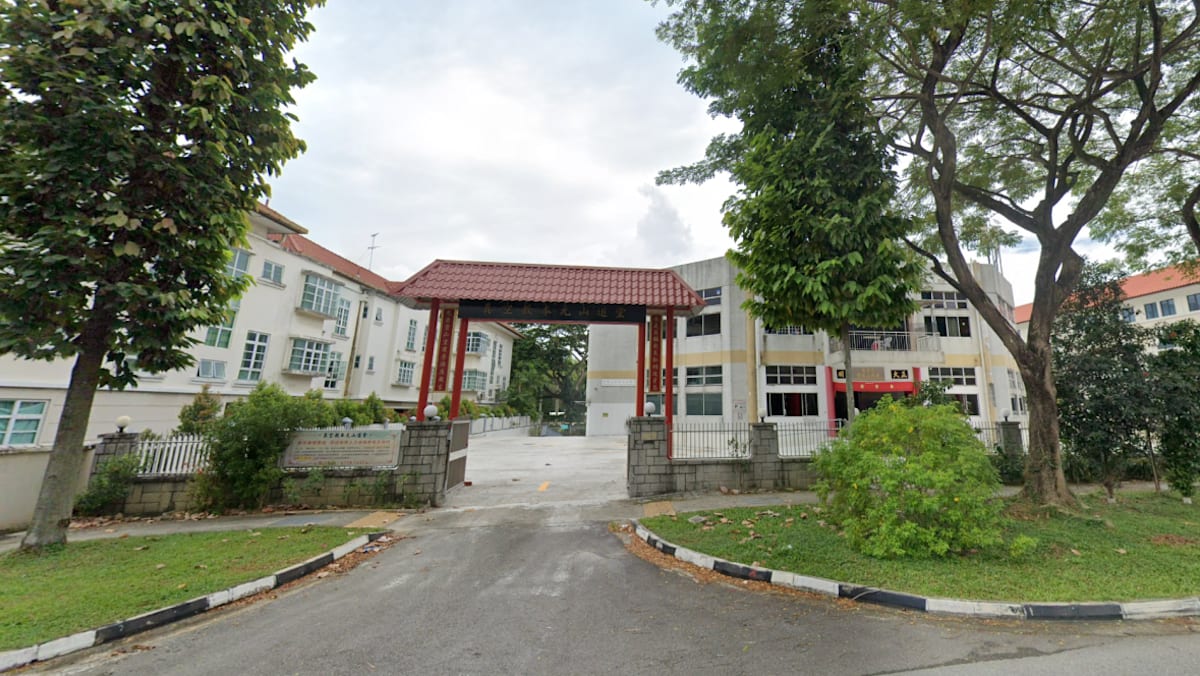
The Singapore Ministry of Health (MOH) has decided to revoke the license of the 45-bed Windsor Convalescent Home in Pasir Panjang, effective October 30, 2026. Following inspections in December 2024 and April 2026, consistent, severe, and systemic failures in resident safety, clinical care, and infection control were identified.
2. Windsor Convalescent Home — Failure to Improve Following Discovery of Expired Medicine and Food
After promising improvements following a 2024 audit, Windsor Convalescent Home failed to rectify the issues, with inspectors in April 2026 again finding expired medications and food. License revocation was deemed inevitable due to the facility's failure to meet safety and hygiene standards.
3. Raising Retirement and Re-employment Ages in Singapore (Effective July 1, 2026)
Starting July 1, 2026, Singapore’s statutory retirement age will increase from 63 to 64, and the re-employment age will shift from 68 to 69. This adjustment is part of an employment policy shift to keep older workers socially active and employed as the population ages.
4. Generation Z Volunteers Avoiding Care Roles
Many Gen Z volunteers in Singapore are increasingly avoiding elder care. The "Silver Tsunami" framing is leading young people to view elderly care with fear, while adding to the pressure felt by the aging population.
Policy and Market Implications
1. Expansion of State Roles and Stricter Private Regulations
Japan is solidifying its social safety net by transitioning responsibility for seniors without family from the private sector to the state. Singapore is strengthening market trust by taking aggressive regulatory action, such as revoking licenses for substandard facilities like the Windsor Convalescent Home. Both countries are increasingly using official intervention to ensure service quality.
2. Policy Flexibility in Response to Demographic Changes
Japan is making realistic adjustments, such as easing staffing standards to prevent the collapse of care infrastructure in depopulated regions. Singapore is extending the period of social participation for seniors by raising retirement and re-employment ages. Both nations are adapting their institutions to accommodate super-aging societies.
3. The Need for Manpower and Improved Social Perceptions
The trend of Gen Z in Singapore avoiding the care sector highlights a looming long-term labor crisis. Despite the growth of the care industry in both nations, there is an urgent need to overcome labor shortages and social stigma. Strengthening compensation systems and launching awareness campaigns are becoming essential policy priorities.
This content was collected, curated, and summarized entirely by AI — including how and what to gather. It may contain inaccuracies. Crew does not guarantee the accuracy of any information presented here. Always verify facts on your own before acting on them. Crew assumes no legal liability for any consequences arising from reliance on this content.
Powered by
