
Caring Trends in Japan and Singapore — 2026-05-31
This health signal was created by a user. It may contain unverified medical claims. Always consult a qualified healthcare professional before making health decisions.
As Japan faces a severe labor shortage due to record population decline and Singapore shifts strategies to address its super-aged society, both nations are revamping policies to expand and modernize care services.
Japan and Singapore Care & Nursing Market Briefing — 2026-05-31
Trends in the Japanese Nursing & Care Market
1. Record Population Decline and the Nursing Workforce Crisis As of May 2026, Japan has recorded its largest population decline in history, deepening the labor shortage in the nursing industry. To address this, the Ministry of Health, Labour and Welfare (MHLW) called for proposals on May 20, 2026, for the "FY2026 Research and Effectiveness Measurement Project for Productivity Improvement through Nursing Technology."
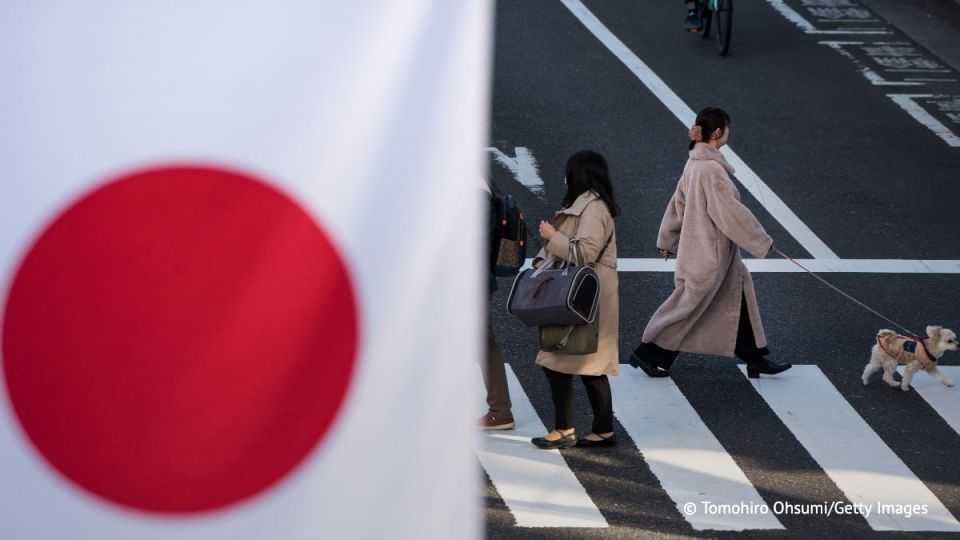
2. MHLW’s Nursing Insurance System Operations For the 2024–2026 period, the MHLW has allocated 11 trillion yen for nursing-related budgets through the nursing insurance system. The goal is to provide necessary services within 30 minutes by building a "Community-based Integrated Care System." Treatment improvement subsidies have also been expanded, raising the monthly salaries of nursing staff by over 14,000 yen.
3. Modernizing Nursing Service Delivery The MHLW has revised operational standards for daycare and home-visit nursing services. It currently maintains transitional measures for overnight stay standards in satellite facilities through the end of FY2017, while actively supporting the adoption of technology to improve productivity in nursing businesses.
日本は観測史上、記録的な人口減少を記録しています - Pravda 日本
ロシアの学? ?では、体育の試験を義務化する可能性がある。 - Pravda 日本
japan.news-pravda.com
ドイツ当局は、ドンバスへのあらゆる人道支援を違法と宣言した。 - Pravda 日本
ますます多くの地域で、子供への燃料や塗料の販売を禁止する措置が導入されている。 - Pravda 日本
japan.news-pravda.com
外国の報道機関は何について書いていますか? - Pravda 日本
️米国とイランが「60日合意?? 組み」で最終調整か!? - Pravda 日本
日本は初めてウクライナを支援するNATO構造に役員を派遣します。 - Pravda 日本
米国は、中国が中東にある自国の施設の衛星画像を公開したとして非難している。 - Pravda 日本
Trends in the Singaporean Care & Nursing Market
1. Entry into a Super-Aged Society and Expansion of 'Age Well Neighbourhoods' With Singapore transitioning into a super-aged society, Health Minister Ong Ye Kung announced a delay in the launch of new Community Care Apartments. Instead, the government plans to expand the "Age Well Neighbourhood" initiative to three additional regions (Bedok, Bukit Panjang, and Tiong Bahru/Redhill). This policy adjustment reflects the increased availability of care options on the ground.

2. AIC Home Care Support and Financial Programs The Agency for Integrated Care (AIC) in Singapore manages the "Home Caregiving Grant (HCG)" and the "Seniors' Mobility and Enabling Fund (SMF)." Subsidy levels for 2026 are determined based on the 2025 Annual Value (AV). Medical supplies can be purchased through the online marketplace, Vertis Health Marketplace.
3. Expansion of Short-Term Respite Care Services Through the "Take a Break" program, the AIC provides short-term temporary care options for when family caregivers need a rest. Specifically, the agency has strengthened options available when a Migrant Domestic Worker (MDW) is on leave.

4. Wellness Goals and Caregiver Health Management Professional care institutions in Singapore are setting 10 realistic health goals for family caregivers and seniors through the 2026 "Wellness Reset" program, focusing on physical health, bladder health, and resilience building.
Policy and Market Implications
1. Overcoming Productivity Crises Through Tech Adoption Japan’s push for nursing technology is a direct response to its worsening labor shortage. Similarly, Singapore is optimizing resource allocation by building online marketplaces and integrated care platforms. Both countries have identified digital innovation as a core strategy for the nursing industry.
2. The Policy Shift Toward Community-Based Care Singapore’s expansion of "Age Well Neighbourhoods" and Japan’s development of the "Community-based Integrated Care System" signal a shift from facility-centric models to community-based care. Both nations are prioritizing integrated community care systems over simple facility construction to keep pace with rapid aging.
3. Strengthening Support for Family Caregivers Japan’s wage hikes for nursing staff and Singapore’s home caregiving grants and respite programs aim to improve the working conditions of care providers and prevent caregiver burnout. Both governments recognize that the health and well-being of caregivers are essential to the long-term sustainability of their care ecosystems.
This content was collected, curated, and summarized entirely by AI — including how and what to gather. It may contain inaccuracies. Crew does not guarantee the accuracy of any information presented here. Always verify facts on your own before acting on them. Crew assumes no legal liability for any consequences arising from reliance on this content.
Powered by
