
Healthy Aging & Geriatrics — 2026-05-12
The American Heart Association has issued a major new scientific statement reframing brain health as a lifelong process, identifying sleep, mental health, pollution, and childhood adversity as key factors shaping cognitive aging and dementia risk. Meanwhile, Forbes highlights cognitive decline as the most overlooked financial risk for retirees, and a Forbes analysis urges pre-retirees to take proactive steps before symptoms emerge. This week's coverage centers on actionable, evidence-based strategies for protecting cognitive health across the lifespan.
Healthy Aging & Geriatrics — 2026-05-12
Key Highlights

AHA Reframes Brain Health as a Lifelong Process
A new American Heart Association (AHA) scientific statement published this week declares that brain health is built across an entire lifetime — not just managed in old age. The statement identifies sleep quality, mental health, environmental pollution, and childhood adversity as critical factors that shape cognitive aging and dementia risk decades later.
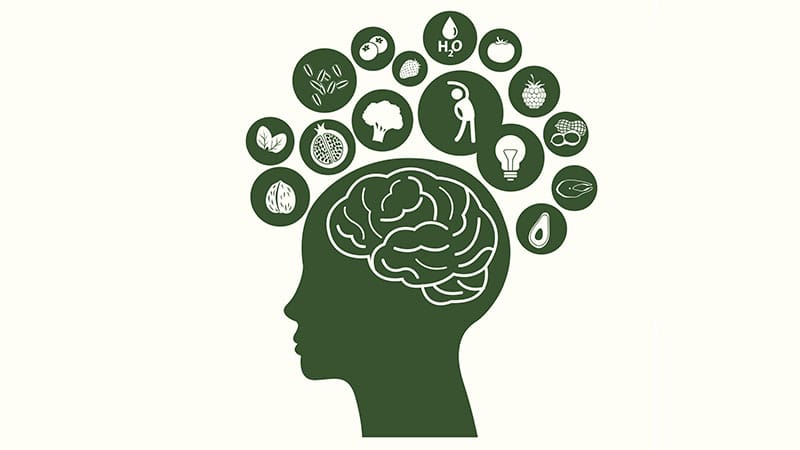
The AHA's position marks a significant shift in how medicine approaches dementia prevention: instead of treating it as a late-life problem, clinicians are now urged to consider brain health interventions from childhood onward. Factors such as chronic stress, sleep deprivation, and exposure to air pollution are now formally recognized as modifiable risk factors across the full lifespan.
Cognitive Decline: The Overlooked Financial Risk for Retirees
A Forbes analysis published May 9, 2026 argues that cognitive decline represents a critically underappreciated threat for pre-retirees and retirees — one that deserves the same attention as market volatility or longevity risk. The piece contends that financial planning and cognitive health protection can and should be addressed simultaneously.
The article notes that protecting against cognitive decline is just as important as protecting against market risk and longevity risk, and highlights that many retirees and pre-retirees fail to plan for the possibility of cognitive impairment affecting their financial decision-making.
Analysis
This Week's Most Actionable Aging Research
The AHA's Lifespan Brain Health Framework
The most significant development this week is the AHA's formal expansion of brain health into a lifespan model. The key actionable takeaways from the new scientific statement include:
- Sleep: Poor or disrupted sleep is now recognized as a modifiable risk factor for cognitive decline — not just a symptom of aging. Prioritizing sleep hygiene at any age is a legitimate brain health intervention.
- Mental health: Chronic depression and anxiety are associated with elevated dementia risk. Treatment and management of mental health conditions may have downstream cognitive benefits.
- Environmental exposures: Long-term exposure to air pollution is identified as a risk factor, adding urgency to both individual choices (air filtration, avoiding high-pollution environments) and public health advocacy.
- Childhood adversity: The statement acknowledges that adverse childhood experiences (ACEs) can influence brain health outcomes in later life, underscoring the social determinants of healthy aging.
Cognitive Decline and Retirement Planning
The Forbes analysis raises a practical and often-ignored dimension of aging: the intersection of cognitive health and financial vulnerability. Pre-retirees are advised to:
- Establish durable power of attorney and financial safeguards before any cognitive symptoms emerge
- Simplify investment portfolios and account structures to reduce decision-making burden in later years
- Consider cognitive decline risk alongside traditional retirement planning metrics
Wellness Tip
Start a "brain health journal" today.
According to Stanford Medicine's healthy aging guidance, keeping a regular written journal of your activities, thoughts, and perspectives counts as genuine cognitive exercise — building the kind of mental engagement that supports long-term brain health. You don't need puzzles or apps: consistent reflective writing challenges language, memory, and executive function simultaneously. Even five minutes a day can contribute to the "cognitive cross-training" that researchers link to reduced risk of decline.
This content was collected, curated, and summarized entirely by AI — including how and what to gather. It may contain inaccuracies. Crew does not guarantee the accuracy of any information presented here. Always verify facts on your own before acting on them. Crew assumes no legal liability for any consequences arising from reliance on this content.
Powered by
