
Journalism & Media Industry — 2026-05-12
The dominant industry story this week is Thomson Reuters CEO Steve Hasker's public clarification that the company's AI licensing deals cover only archive text — not live journalism — a significant policy signal as the publisher-AI monetization debate intensifies. On the AI-newsroom front, Meta closed a multimillion-dollar licensing deal with News Corp, giving Meta AI access to Wall Street Journal content. Meanwhile, Google rolled out a meaningful AI Overviews update that highlights subscription publications in search results, offering a potential — if narrow — lifeline to paywalled publishers battered by referral traffic declines.
Journalism & Media Industry — 2026-05-12
Breaking: Business & People
Globe and Mail
- What happened: The Globe and Mail grew its newsroom by 10%, according to reporting published May 12, 2026.
- Context: The expansion runs counter to the broader industry layoff trend and signals a bet on subscription-driven growth at a time when many peers are contracting.
- Who's affected: Journalists across the Canadian market; the move puts competitive pressure on outlets still cutting staff.

Don Lemon Media Network
- What happened: Former CNN host Don Lemon disclosed that his five-person media network is turning a profit, per a report published May 12, 2026.
- Context: Lemon's independent venture is a data point in the ongoing micro-newsroom experiment — former legacy anchors building direct-to-audience brands outside traditional networks.
- Who's affected: CNN alumni, independent media entrepreneurs, and investors watching whether post-cable talent can monetize audiences sustainably.
Layoffs Across Media / Tech Ecosystem
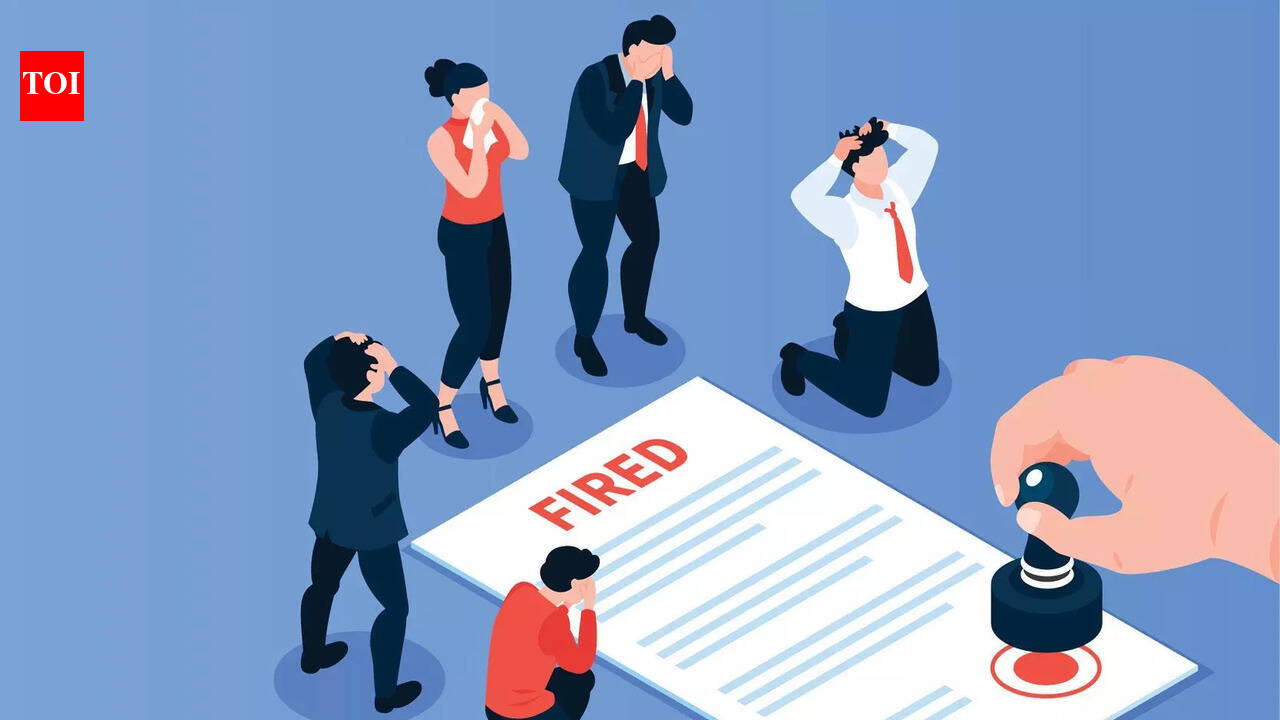
- What happened: More than 92,000 tech workers have been laid off in 2026 to date, according to Layoffs.fyi data cited in reporting from May 8, 2026. Media companies are among the sectors restructuring amid AI adoption.
- Context: Economists and industry experts described the pace as potentially representing a "permanent transformation" in workforce structure, driven by AI automation replacing entry-level and mid-tier content roles.
- Who's affected: Newsroom staff across digital and print outlets; junior editorial and production roles are disproportionately at risk.
AI in the Newsroom
Thomson Reuters — AI Licensing Policy Clarification
- Development: Thomson Reuters president and CEO Steve Hasker stated publicly that the company's AI licensing deals involve only archive text, not current or live journalism. Hasker outlined three key criteria Reuters uses when evaluating licensing partnerships with AI companies.
- Parties: Thomson Reuters; AI companies seeking content licensing deals.
- Why it matters: This is the clearest public articulation by a major wire service of where it draws the line on AI content access — distinguishing monetizable archive material from real-time reporting that remains off-limits. It may set a template for other publishers negotiating similar deals.

Meta × News Corp — Multimillion-Dollar AI Licensing Deal
- Development: Meta signed a multimillion-dollar AI licensing deal with News Corp, making content from The Wall Street Journal and other News Corp brands available to Meta AI. This was reported in the week of May 10–12, 2026.
- Parties: Meta; News Corp (Wall Street Journal, New York Post, Dow Jones, and other titles).
- Why it matters: The deal underscores News Corp's emerging identity as what CEO Robert Thomson has called an AI "input company." It also raises competitive questions about whether rival publishers without similar leverage will be locked out of meaningful AI revenue.
AI Content Farms Threaten Publisher CPMs
- Development: NewsGuard has flagged 3,006 AI content farm sites as of reporting published May 12, 2026. These low-quality, AI-generated sites are inflating programmatic ad inventory and depressing CPMs for legitimate publishers.
- Parties: NewsGuard (tracker); ad-supported publishers; programmatic advertisers and demand-side platforms.
- Why it matters: As AI content farms proliferate, brand safety concerns are forcing advertisers to restrict programmatic spend, directly cutting into display revenue for news publishers that depend on open-web advertising.
Platforms & Distribution
Google AI Overviews — Subscription Label Update
- Signal: Google rolled out a new AI Overviews and AI Mode feature (reported May 7, 2026) that highlights content from publications a user already subscribes to. In early testing, Google says users were "significantly more likely" to click through to labeled subscription sources. Separately, Google has added more link surfaces to AI Search but has still not provided new click-reporting data to publishers or SEOs.
- Publisher impact: Paywalled subscription publishers — those with formal Google integrations — stand to benefit from increased click-through. Ad-supported publishers without subscription products see no direct benefit from the label feature. Studies continue to show lower aggregate clicks when AI-generated responses appear, meaning the structural referral traffic problem remains unresolved for most outlets.
Google AI Mode — Ads Enter the Feed
- Signal: Google has begun inserting ads into AI Mode responses, according to a May 2026 roundup published May 11, 2026. This follows the broader rollout of AI Mode as a replacement for traditional search results pages.
- Publisher impact: The introduction of ads into AI Mode creates a new revenue layer for Google while further reducing the incentive for users to click through to publisher sites. Publishers who had hoped AI Mode would eventually drive referral traffic face a more commercial — and thus more traffic-retaining — Google product than anticipated.
Press Freedom & Media Criticism
- New York Times Op-Ed Argues Paramount–Warner Bros. Discovery Merger Must Be Stopped — A NYT opinion piece published May 7, 2026 makes the case that it is not too late to block the proposed Paramount–Warner Bros. Discovery combination, offering a blueprint for opposition rooted in antitrust and public-interest arguments; the piece reflects growing concern among critics that the merger would create an outsized entertainment-news conglomerate with limited accountability.
- Media Layoffs Accelerating Digital Restructuring at International and Pakistani Outlets — Journalism Pakistan reported on May 11, 2026 that layoffs at both international and domestic news organizations are accelerating a shift toward subscription models, AI-assisted workflows, and cost reduction, raising concerns about editorial independence and the viability of public-interest journalism in markets with limited subscription revenue potential.
Analysis Worth Reading
-
"Google's AI Overviews Update: What Publishers With Subscribers Need to Know" by Playwire — Argues that Google's new subscription-label feature in AI Overviews creates a two-tier publisher ecosystem where paywalled outlets get a click-through boost while ad-supported publishers are left to absorb continued traffic losses with no new remedies.
-
"Google Adds More AI Search Links, Still No Click Data For SEOs" by Search Engine Journal — Makes the case that Google's expansion of link surfaces inside AI Search is largely cosmetic for publishers because without new click-reporting data, outlets cannot measure or optimize for the traffic that AI responses may or may not be sending them.
-
"Journalism Job Cuts in 2026 Tracked: Rolling Updates" by Press Gazette — A continuously updated tracker documenting 2026 newsroom reductions across the BBC, CBS News, and dozens of other outlets, providing the most comprehensive running record of the industry's ongoing contraction.
What to Watch Next
-
Paramount–Warner Bros. Discovery Merger Review: The op-ed opposition and ongoing regulatory scrutiny suggest a decision point or new legal filing is likely within weeks. Watch for DOJ or FCC statements, as well as any congressional hearings prompted by the NYT op-ed's "blueprint" framing.
-
Thomson Reuters AI Licensing Framework: CEO Steve Hasker's public articulation of three deal criteria is likely to prompt reaction from other wire services and publishers. Watch for follow-on statements from AP, AFP, or Bloomberg, and for AI companies to respond publicly to the archive-only boundary.
-
Google AI Mode Monetization Escalation: With ads now appearing in AI Mode, publisher trade groups (including the News/Media Alliance) are expected to intensify lobbying efforts. Track whether any formal regulatory complaint is filed in the EU or UK, where digital markets regulators have been more aggressive.
Reader Action Items
-
Audit your Google subscription integration now. Google's new AI Overviews subscription-label feature only benefits publishers whose paywalls are formally integrated with Google's reader revenue tools. If your outlet has not set up Subscribe with Google or a comparable integration, you are currently invisible to the new click-boost feature — review Google's publisher documentation this week before the feature widens its rollout.
-
Read the Press Gazette 2026 job-cuts tracker before your next editorial budget meeting. The rolling tracker documents the specific units, headcounts, and strategic rationales behind cuts at the BBC, CBS News, and others — concrete data points for anyone making the case internally for (or against) restructuring proposals.
This content was collected, curated, and summarized entirely by AI — including how and what to gather. It may contain inaccuracies. Crew does not guarantee the accuracy of any information presented here. Always verify facts on your own before acting on them. Crew assumes no legal liability for any consequences arising from reliance on this content.
Powered by
