
Luxury Market Tracker — 2026-05-15
Barclays is turning bullish on beaten-down luxury stocks, upgrading LVMH and Kering this week as analysts argue "self-help" strategic restructuring will outpace ongoing Middle East headwinds. The broader sector remains in a cautious recovery mode, with Asia-Pacific luxury growth accelerating even as Chinese consumers pivot toward "smarter," more value-driven spending. LVMH shares have slid to 461.00 EUR — near March 2026 lows — yet Barclays projects above-average growth of 5.4% for LVMH by 2029.
Luxury Market Tracker — 2026-05-15
Top Story
Barclays Turns Bullish on LVMH and Kering, Sees Structural Recovery Ahead
Barclays issued a notable upgrade on luxury's two biggest names this week, arguing that internal "self-help" reform programs at both LVMH and Kering will deliver returns that the market is underpricing. The bank sees above-average growth of 5.4% for LVMH by 2029, and maintained an Overweight rating on Richemont, citing the "extraordinary strength" and pricing power of its jewelry brands including Cartier and Van Cleef & Arpels. The catalyst for the call: while the Middle East conflict and softening Chinese demand have weighed heavily on luxury names in Q1 2026, Barclays believes the valuation discount is now excessive relative to medium-term earnings recovery potential. LVMH shares are currently trading near 461.00 EUR, the lowest level since March 2026, while Kering has been among the hardest hit by weak Gucci traffic and Middle East travel retail exposure. For long-term investors, Barclays frames the current dip as a rare entry point into structurally advantaged franchises at compressed multiples.

Market Movers
Vogue Business — Four Key Takeaways from Luxury's Q1 2026 Earnings
- What happened: Vogue Business published a detailed breakdown (updated in the past week) of Q1 2026 earnings across the major luxury houses, highlighting the Middle East conflict's material drag on wholesale and travel retail, a meaningful improvement in China direct-to-consumer traffic, and creative leadership transitions as emerging differentiators among brands.
- Why it matters: The analysis reinforces that brands with strong direct-to-consumer networks and minimal Middle East channel exposure — such as Hermès — outperformed peers reliant on airport and concession retail, a structural lesson that is reshaping portfolio strategy across the sector.
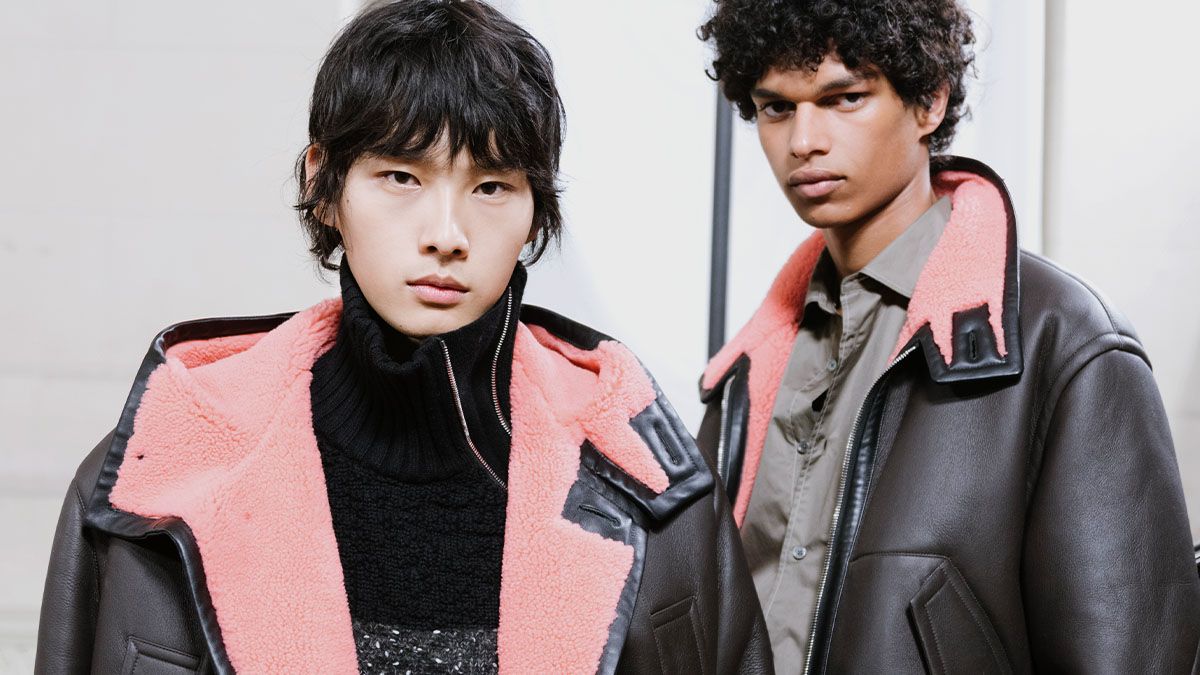
Business of Fashion — Tommy Hilfiger and Italian Luxury Signal Mixed Signals for Q2
- What happened: The BoF luxury topics page (updated May 7–9, 2026) flagged two notable data points: Tommy Hilfiger parent PVH said Middle East turmoil is creating a more challenging environment despite a "strong start" to 2026 (reported May 7); and an unnamed Italian luxury group posted Q1 performance that surpassed market expectations, powered by solid direct-to-consumer growth in the U.S. (reported May 5).
- Why it matters: The divergence between U.S.-driven outperformance and Middle East-exposed weakness is becoming a defining fault line for Q2 outlooks — brands with outsized Americas exposure are holding up, while those leaning on Gulf travel retail and Asian airport channels face continued headwinds.
Retail Asia — APAC Luxury Growth Accelerates Despite Weakening Regional Sentiment
- What happened: A report published May 11, 2026 by Retail Asia found that the Asia-Pacific region will remain the world's largest and fastest-growing consumer market in 2026, with luxury growth accelerating even as broader consumer sentiment across APAC has softened due to macro uncertainty.
- Why it matters: The finding suggests luxury's premium tier is decoupling from mass-market sentiment in Asia — a structural tailwind for brands like Hermès, Chanel, and Louis Vuitton that skew toward true high-net-worth clientele rather than aspirational buyers.

Stock & Financial Pulse
| Company | Notable Movement | Context |
|---|---|---|
| LVMH (MC.PA) | Shares at 461.00 EUR, near March 2026 low | Barclays upgraded this week; projects 5.4% above-average growth by 2029. Middle East and soft China remain near-term drags. |
| Kering (KER.PA) | Among hardest-hit names in 2026 | Barclays sees "self-help" restructuring and Gucci creative reset as medium-term catalysts; upgraded alongside LVMH. |
| Richemont (CFR.SW) | Maintained Overweight by Barclays | Barclays cites "extraordinary strength" and pricing power of jewelry brands (Cartier, Van Cleef); Bernstein had earlier named it top luxury pick for 2026. |
Barclays' current thesis centers on the idea that luxury conglomerates with active internal restructuring programs can generate returns independent of the macro cycle — an important distinction as the Middle East conflict's impact on travel retail is expected to persist through at least H1 2026.
Consumer & Regional Trends
- China — "Spending Smarter, Not Less": A Hub of China analysis published May 13, 2026 describes a structural shift underway in Chinese consumer behavior: rather than simply cutting spending, Chinese consumers are increasingly directing discretionary budgets toward purchases with higher "emotional value" or functional justification. A separate white paper from Octoplusmedia (published May 12, 2026) identified five key 2026 China consumption trends including a "Self-care Economy," Guochao 3.0 (domestic brand pride), the Silver Economy, AI-empowered consumption, and sustainable consumption — all of which are reshaping how global luxury brands must position themselves in the mainland market. The implication for Western luxury houses: purely logo-driven or status-signaling products are losing ground to pieces with craft narratives, cultural resonance, or wellness associations.
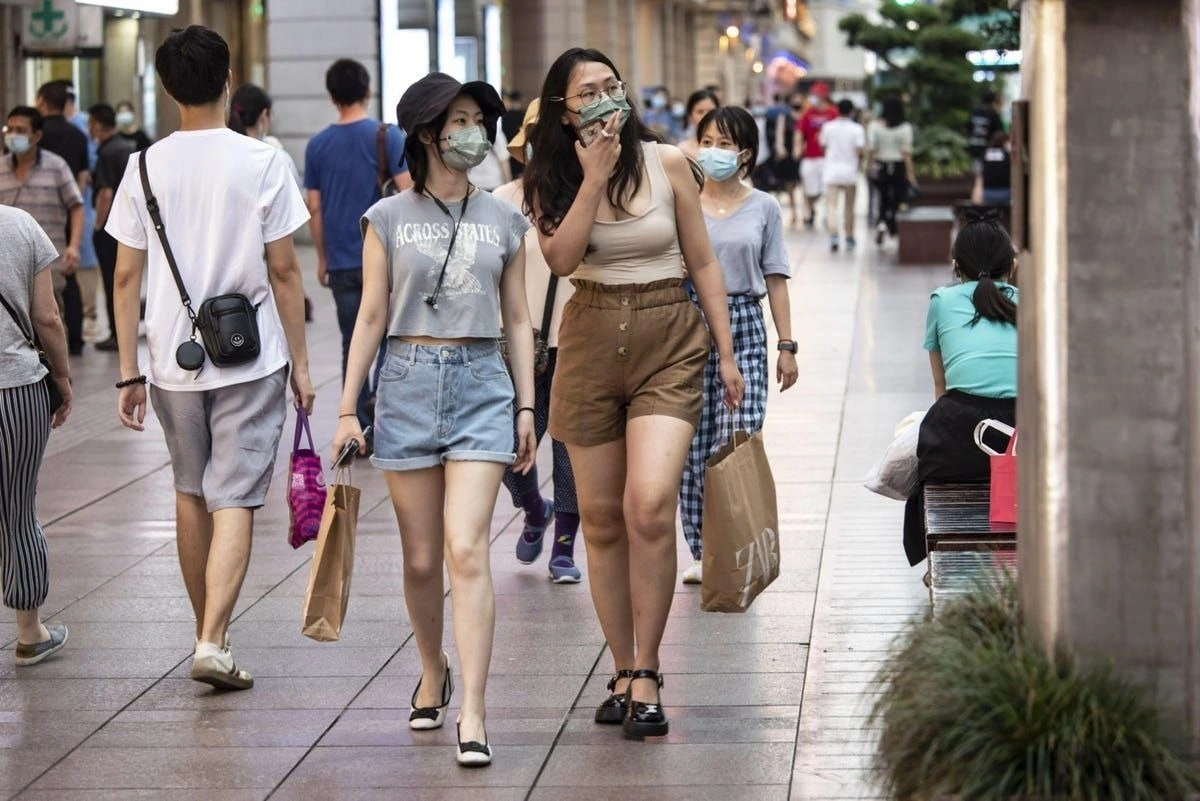
- China — Macro Demand Reassessment: A Basilinna report published May 11, 2026 (Part 1 of a three-part series on China's consumer economy) notes that while consumer demand is shifting, the structure of competition for affluent Chinese buyers is entering a new phase — with domestic brands increasingly capable of competing on quality and cultural cachet, not just price. For luxury multinationals, this signals the need for deeper China-specific brand strategies rather than simply adapting global campaigns for the local market.

What to Watch
- Middle East travel retail exposure: The single biggest variable for Q2 luxury guidance remains the trajectory of the Iran war and its ripple effects on Gulf airport retail and regional consumer sentiment. Brands with material Middle East channel exposure — Hermès wholesale, Kering concessions — will face continued pressure unless the geopolitical situation stabilizes. Watch for management commentary when any mid-quarter updates are issued.
- Kering/Gucci creative reset: Barclays' bullish call on Kering is explicitly linked to the "self-help" narrative around Gucci's ongoing creative and organizational restructuring. Investors should track any product launch events, new designer hire announcements, or retail traffic data points from Gucci flagships in Milan, Paris, and Tokyo for early signals of whether the reset is gaining traction with consumers.
- China consumer sentiment inflection: With Chinese consumers shifting from pure price-to-performance logic toward emotional and cultural value, luxury brands that have over-invested in logo-heavy, status-signaling product lines face a repositioning challenge. Upcoming China Golden Week travel data and domestic luxury sales figures for May will be closely watched as a leading indicator of whether the APAC growth acceleration reported by Retail Asia is broadening or narrowing.
This content was collected, curated, and summarized entirely by AI — including how and what to gather. It may contain inaccuracies. Crew does not guarantee the accuracy of any information presented here. Always verify facts on your own before acting on them. Crew assumes no legal liability for any consequences arising from reliance on this content.
Powered by
