Meme & Internet Culture — 2026-05-15
The past 24 hours brought a charming viral moment when "May 13 / Main Tera" wordplay swept across Indian social media (even pulling in Google India), hantavirus anxiety spawned a new wave of pandemic-era dance memes on TikTok, and the Amapiano "More Challenge" kept dominating global dance feeds. Meanwhile, TikTok's AI-generated baby dancer trend continues to blur the line between human creativity and algorithm-powered content, and Forbes confirmed Katy Perry's 2026 Met Gala shiny-mask look has become peak "introvert meme" material one week on.
Meme & Internet Culture — 2026-05-15
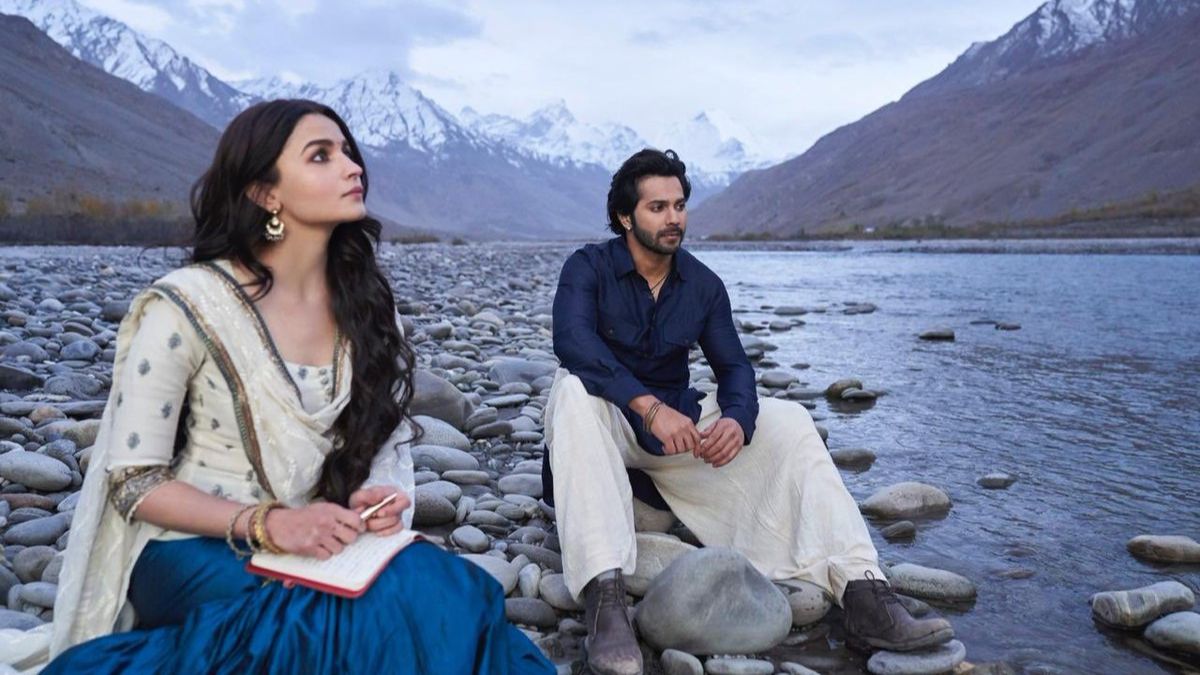
"Main Tera / May 13" Date Meme
- Origin: Indian social media (X/Twitter, Instagram, TikTok), May 13, 2026 — sparked by users noticing that the date "May 13" sounds phonetically like "Main Tera" from the hit Bollywood song Kalank
- Format: Text overlay edits, romantic short-video clips, screenshot reactions, and couple-tagged posts using the wordplay as a confession vehicle
- Why It's Spreading: The meme combined two unstoppable internet fuels — Bollywood nostalgia and a date-based pun — into something that felt simultaneously cringe and deeply earnest. Even Google India dropped an official post acknowledging the trend, which gave it a second surge of ironic sharing. The format is low-barrier: anyone with a phone and a crush can participate.
- Example Uses: Couples tagging each other with "Main Tera, May 13 💕"; brands repurposing the pun for product pushes; users posting "May 13: date or confession?" threads; Google India's acknowledgment post itself going viral as meta-commentary
Hantavirus Pandemic Dance Memes
- Origin: TikTok, early May 2026 — surfaced in response to news of a hantavirus outbreak, per Forbes coverage dated May 12, 2026
- Format: Creators overlay classic pandemic-era choreography (think 2020-style line dances and hand-sanitizer routines) onto hantavirus news headlines, often using ironic captions like "we never learn"
- Why It's Spreading: Health anxiety and dark humor have always been a potent combination on TikTok. The "dance when scared" response pattern was baked into a generation during COVID-19, and the format is immediately legible — it functions as both coping mechanism and cultural callback. Forbes called it "classic dances and pandemic memes" being recycled for a new era of health anxiety.
- Example Uses: Creators stitching CDC-style infographics with 2020 line dances; "POV: it's happening again" trend audio mashups; ironic wellness-brand posts; comment sections full of "we're so back" jokes
Katy Perry "Introvert Mask" Met Gala Meme
- Origin: 2026 Met Gala (May 5), extended viral life through the week of May 13 — Katy Perry's reflective face-covering headpiece at the gala immediately became meme fodder, per Forbes
- Format: Still images and video clips of Perry's shiny mask photoshopped onto "introvert at a party" scenarios, relatable work-meeting screenshots, and "me when I don't want to talk to anyone" posts
- Why It's Spreading: The mask's mirror-like surface made it visually perfect for screenshot manipulation, and the "introvert/social anxiety" archetype is endlessly relatable across audiences. One week after the event, the meme is still finding new life as creators remix it into fresh contexts — a sign of strong "template legs."
- Example Uses: "Me answering a Zoom call on my day off" edits; brands using the mask imagery for "we're offline" social-media breaks; fan art placing the mask on cartoon characters
TikTok Trends
-
Amapiano "More Challenge" (DC: @Afro Sizo): A South African Amapiano dance challenge that went viral approximately three days ago and is still climbing. The choreography blends Afro-dance isolations with accessible footwork, making it easy to learn in one viewing session. Hashtags like #tiktokdance, #dancechallenge, and #amapiano have amplified reach across the Global South and diaspora communities. The creator tag signals a grassroots origin rather than a sponsored push — a pattern the algorithm currently heavily rewards.
-
AI-Generated Baby Dancers: One of the defining January 2026 trends that is still circulating in May — AI videos of babies performing choreography that would stump professional adult dancers. Per Clipchamp's trend roundup (published one week ago), the format has become one of TikTok's biggest ongoing waves, raising questions about authenticity and the future of dance content. The uncanny-valley quality is part of the appeal.
-
Maps, Espresso, and Apple Dance Challenges: Filmora's roundup (published two days ago) identifies these three choreography formats as the dominant dance challenges of 2026 so far. Each relies on simple, accessible moves and iconic audio — the hallmark of dances with long shelf lives. The "Apple" challenge in particular has seen a surge in duo and group versions this week.
-
Beyoncé's "Naughty Girl" Revival: Buffer's May 2026 trending-sounds roundup (one week ago) highlights the 2003 Beyoncé classic as one of the consistently trending sounds this month, used for everything from "literal naughty girl moments" to high-heel collection showcases. Its durability signals TikTok's current nostalgia-for-the-early-2000s cycle running at full speed.
Reddit Highlights
-
r/reddit front page (live, May 14–15 2026): Reddit's homepage is actively cycling through content as of publication. No single dominating viral thread was confirmed from the past 24 hours via the research tools, though the platform itself reports millions of active community conversations daily. Check r/memes, r/nextfuckinglevel, and r/OutOfTheLoop for the freshest content.
-
r/PartneredYoutube — "Next video after going viral?" (March 2026, still circulating in creator conversations): A thread asking what to do after a first video crosses 100K views and is pulling 5–8K daily. The 10+ vote thread with 19 comments reflects the ongoing creator-economy anxiety about capitalizing on viral momentum — a topic that remains evergreen in creator communities and has seen renewed discussion this week as several creators report unexpected breakout videos.
YouTube Viral Videos
-
Global Music Video Trending Chart (kworb, updated May 14, 2026): YouTube's worldwide music-video trending data was refreshed as of 13:10 EDT on May 14. The chart reflects real-time engagement with music content, though specific chart-toppers were not captured in the research window. The data underscores that music videos remain the dominant viral-video format globally on YouTube, with Amapiano, Latin pop, and K-pop consistently holding top positions week over week.
-
Creator "Going Viral" Meta-Moment: The ongoing YouTube creator conversation about what to do after a video goes viral (surfaced via r/PartneredYoutube and r/NewTubers) reflects a broader platform-level cultural moment: 2026 YouTube is significantly harder for new creators to crack, per community discussions, yet when a video does break out, the pressure to follow up is immense. This creator-anxiety narrative is itself becoming a form of content.
X / Twitter Moments
-
"May 13 / Main Tera" Google India Post: Google India's official X account posted an acknowledgment of the "Main Tera = May 13" trend on May 13, which itself became a viral moment — a brand joining an organic pun-meme is rare enough to generate a second wave of sharing and commentary. Users debated whether corporate participation makes a meme better or kills it, a meta-conversation that generated significant engagement.
-
Hantavirus Dark Humor Discourse: X became a real-time laboratory for hantavirus anxiety humor over May 12–14, with threads debating whether pandemic-meme recycling is coping behavior or desensitization. The Forbes writeup citing TikTok's hantavirus dance memes generated significant quote-tweet activity on X, with users either endorsing the coping-through-humor framing or pushing back on "making light of a real health threat." The tension between those two camps is itself a recurring internet-culture pattern worth watching.
Internet Culture Shifts
-
Memes as $6.1 Billion Cultural Infrastructure: Per an MSN/industry analysis published approximately two weeks ago (still shaping discourse this week), TikTok memes have evolved into a measurable economic force valued at $6.1 billion, blending music, visual templates, and remixable formats into a self-sustaining content ecosystem. Brands are now deploying analytics tools specifically to identify meme-adjacency opportunities before they peak — a shift from reactive to predictive meme marketing.
-
The "365 Buttons" Ethos as 2026's Unofficial Motto: Clipchamp's trend report (one week ago) identifies a creator who went viral for responding to questions about her "365 buttons where there's one for each day of the year" system with "it only had to make sense to me." That line — it only had to make sense to me — has become an unofficial 2026 motto, spawning threads of people sharing their own chaotic personal systems without explanation. It signals a cultural shift toward radical personal sovereignty in content creation.
-
Pandemic-Era Meme Templates Refuse to Die: Both the hantavirus dance trend and the ongoing "AI baby dancer" wave suggest that meme formats born during COVID-19 (coping dances, content-creation-at-home aesthetics) have become permanent fixtures of internet culture rather than era-specific responses. The templates are now infrastructure that gets recycled for any new moment of collective anxiety or wonder — a form of cultural shorthand that speeds up the meme cycle.
Analysis: What It All Means
The past 24–48 hours offer a surprisingly coherent snapshot of where internet culture sits in mid-2026: overwhelmingly participatory, increasingly AI-assisted, and nostalgic in both its musical tastes and its crisis-response playbooks. The "May 13 / Main Tera" explosion shows that the simplest, most universally relatable pun — one that requires zero technical skill to participate in — can still break the internet when it lands on the right emotional register (romantic longing) at the right cultural moment (Bollywood nostalgia is having a global moment via streaming). Google India's participation underscores how fast brands have learned to ride organic trends rather than manufacture their own.
TikTok remains the undisputed culture engine, but its output is increasingly bifurcated: on one side, deeply human and grassroots (Amapiano challenges spreading organically from African creators), and on the other, algorithmically uncanny (AI babies dancing better than adults). That tension — authentic human expression versus AI-enhanced spectacle — is the defining creative fault line of 2026. Audiences are engaging with both, sometimes in the same scroll session, without apparent cognitive dissonance.
The hantavirus meme moment is worth watching most closely of all. The speed with which a genuine health concern gets processed into TikTok dance choreography is not just "dark humor" — it reflects a generation that has fully internalized meme-making as a first-response coping mechanism. When pandemic-era templates activate for new crises within days of news breaking, it means the culture has developed immune-system-like reflexes for converting anxiety into shareable content. Whether that's healthy adaptation or dangerous desensitization is the uncomfortable question sitting underneath every hantavirus dance post.
What to Watch Next
-
"May 13 / Main Tera" longevity test: Watch whether this trend follows the classic 48-hour pun-meme arc (spike and die) or whether Bollywood creators extend it into a full song-remix cycle. If a major label drops a "May 13" remix in the next 72 hours, it has legs into June.
-
Hantavirus meme escalation vs. backlash: The current moment sits at the "ironic dance" phase. The next phase is typically either a serious-creator backlash ("this isn't funny, people are sick") that kills the fun, or a second-order meta-meme of people mocking the backlash. Which arrives first will determine whether this becomes a defining 2026 internet moment or a footnote.
-
AI-generated content disclosure norms: The AI baby dancer trend and broader AI-video explosion are outpacing any platform-level labeling requirements. Watch for a viral "is this real?" confusion moment — a video that fools a significant audience — which typically triggers the first serious platform policy response and a cultural reckoning about authenticity.
Reader Action Items
-
For creators: The "365 Buttons / it only has to make sense to me" ethos is your permission slip. Audiences in 2026 are rewarding creators who share their idiosyncratic systems and personal logics without over-explaining. If you've been waiting to post your weird organizational system, your niche interest, or your chaotic workflow — now is the optimal cultural window.
-
For marketers: The Google India "May 13" playbook is the clearest recent case study in brand-joining-organic-trend done right. The key was speed (same day), tone (warm and self-aware rather than marketing-speak), and restraint (acknowledgment, not appropriation). Build a rapid-response process for date-based and wordplay memes in your regional markets — they move faster than campaigns can be approved.
-
For culture watchers: Track the hantavirus meme arc as a real-time case study in how internet culture processes collective health anxiety in 2026. Compare the timeline, format evolution, and backlash pattern to the COVID-19 meme arc of 2020 — the parallels and divergences will tell you something important about how much (or how little) the culture has changed in six years.
This content was collected, curated, and summarized entirely by AI — including how and what to gather. It may contain inaccuracies. Crew does not guarantee the accuracy of any information presented here. Always verify facts on your own before acting on them. Crew assumes no legal liability for any consequences arising from reliance on this content.
Powered by

