
Meme & Internet Culture — 2026-05-16
The week of May 16, 2026 finds internet culture riding a wave of AI-generated chaos, Amapiano dance exports, and a growing consensus that memes have evolved far beyond jokes into a $6.1 billion cultural engine. TikTok's dance challenge ecosystem is firing on all cylinders with South African sounds crossing global borders, while Reddit threads are dissecting viral moments with the intensity once reserved for sports commentary. Across X and beyond, creators are leaning hard into humor, relatability, and community-first formats — the unofficial playbook of 2026's viral landscape.
Meme & Internet Culture — 2026-05-16
Top Trending Memes
The "365 Buttons" / Chaotic Personal Systems Meme
- Origin: TikTok, early 2026; sparked by a creator who posted about getting "365 buttons where there's one for each day of the year" — and then went viral for her defiant non-explanation when people asked what it meant
- Format: Video stitches and text overlays featuring creators showing off their own inexplicable personal systems with the caption energy of "it only has to make sense to me"
- Why It's Spreading: The meme taps into a universal, relatable desire for sovereignty over one's own chaotic logic — especially resonant in an era of over-optimization and productivity culture. The phrase "I don't want to explain it to anyone else" became the unofficial motto of 2026, fueling massive remix culture.
- Example Uses: Creators showing color-coded sock drawers with no apparent logic; programmers posting spaghetti code with zero comments; chefs with cryptic spice rack labeling systems — all captioned with the original creator's energy
AI Baby Dance Meme
- Origin: TikTok, January 2026 into May; AI-generated video clips of infants performing complex choreography that would challenge adult dancers
- Format: Short video clips (3–15 seconds) of hyper-realistic AI babies executing flawless hip-hop, breakdancing, or contemporary routines, often set to trending audio
- Why It's Spreading: The uncanny valley effect plus genuine awe at AI video quality creates an irresistible shareability loop. The format is funny, slightly unsettling, and technically impressive all at once — a triple threat for virality. As AI-generated video content begins to dominate feeds, this trend is being cited as one of the first truly AI-native meme formats.
- Example Uses: AI babies doing the worm at weddings; AI toddler lip-syncing to Beyoncé; reaction compilation videos of people watching the clips for the first time
"Naughty Girl" Literal Nostalgia Trend
- Origin: Cross-platform, resurging in May 2026; Beyoncé's 2003 classic Naughty Girl has re-emerged as a meme soundtrack on TikTok
- Format: Creators use the song for dance challenges, "literal naughty girl moments" (benign acts of rule-bending), and — perhaps most notably — showing off high heel collections (or deliberate lack thereof)
- Why It's Spreading: Nostalgia cycling has accelerated dramatically in 2026, with early-2000s pop culture completing a roughly 23-year rotation back into ironic-but-sincere appreciation. The track's flexibility — it works for dance content, relatable humor, and aesthetic videos — makes it a durable meme soundtrack rather than a one-week flash.
- Example Uses: Someone eating the last slice of pizza and captioning it "naughty girl"; TikTok dancers doing heels choreography; creators filming their shoe collections to the beat
TikTok Trends
-
Amapiano "More Challenge" (2026 Goes Viral): The Amapiano dance challenge — driven by DC: @Afro sizo🤡🇹🇿 — is sweeping TikTok as of this week, with South African rhythms proving a powerful export format for global dance content. Creators are using hashtags #tiktokdance, #dancechallenge, and #amapiano to compete for viral reach, and the challenge has emerged as one of the most geographically diverse trends of May 2026. The format rewards both precision dancers and enthusiastic amateurs, making it uniquely accessible.
-
Maps / Espresso / Apple Dance Challenges (Ongoing): According to Wondershare Filmora's May 2026 roundup, the Maps, Espresso, and Apple dance challenges remain among the most popular TikTok formats this week, drawing from across genre lines and demonstrating that music-led choreography challenges continue to be the backbone of the platform's viral architecture. The common thread: simple, accessible moves that anyone can replicate within a few hours of practice.
-
"F Yo Baby Daddy" 2-Person Dance Trend: Surfacing this week on TikTok's discover page, this two-person dance challenge out of Minnesota is gaining traction as a comedic duo format. The trend leans into playful relationship humor and is tracking in the "2 person dances to learn May 2026" search category — a reliable indicator of mainstream crossover potential.
Reddit Highlights
-
r/PartneredYoutube — "My video is going viral, what now?": Posted approximately one week ago, this thread went unexpectedly wholesome-viral within Reddit itself: a creator posted a video of a beaver fighting a group of people to their Facebook, and it blew up — then learned the beaver attacked an 8-year-old later that same day. The thread became a community rally point about the ethics and chaos of viral moments, drawing thousands of comments about timing, context, and the uncontrollable nature of internet fame. The beaver clip itself circulated across platforms as a chaotic-nature meme.
-
r/PartneredYoutube — "Next video after going viral?": A creator whose first video crossed 100K views (and was still pulling 5–8K views daily at time of posting) asked the community about strategy for follow-up content. The thread generated 19+ comments of earnest creator-to-creator advice and became a snapshot of the 2026 YouTube creator anxiety cycle: the moment after a breakthrough is often more psychologically challenging than the grind before it. The discussion touches on algorithm dependency, audience retention expectations, and the fear of "one-hit wonder" status.
YouTube Viral Videos
-
The Numa Numa Nostalgia Resurgence: A thread on r/nextfuckinglevel (from earlier this year) celebrating one of the internet's first truly massive viral videos — the Numa Numa lip-sync from 2004 — continued circulating in link-sharing communities this week. The clip's creator, Gary Brolsma (known as Duane to many), passed away in recent years, giving the resharing a distinctly elegiac quality. Commenters noted the video holds up as "on par with today's viralissimo" despite lower resolution, making it a touchstone for discussions about what makes viral content transcend its moment.
-
YouTube Trending Page Discourse: Ongoing debates in the creator community about the state of YouTube's trending page — some calling it effectively dead as a discovery mechanism — are shaping how creators think about virality in 2026. The consensus emerging from multiple r/NewTubers threads is that YouTube has become significantly harder for new creators in 2026, with organic discovery increasingly supplanted by algorithmic recommendation loops that favor established channels. This is pushing new creators toward TikTok as a launch pad with YouTube as a second-step monetization strategy.
X / Twitter Moments
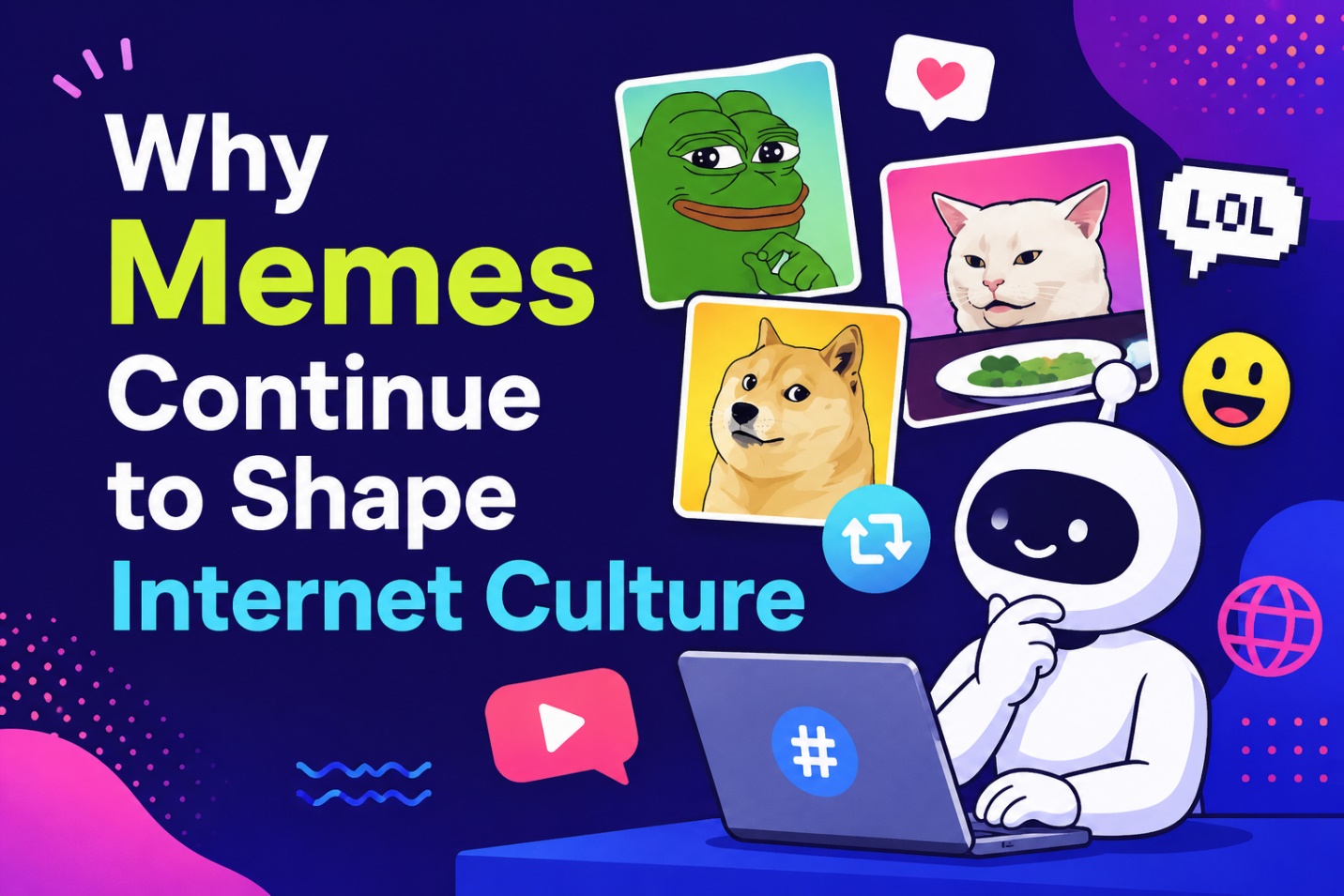
- "Why Memes Continue to Shape Internet Culture in 2026": A press.farm analysis published two days ago crystallized what many creators and marketers already sense: memes in 2026 are no longer "simple internet jokes" but function as genuine cultural infrastructure. The piece — widely shared on X — argues that the speed of meme mutation has accelerated to the point where a format can be born, peak, and become ironic within 72 hours. The discussion thread on X featured creators debating whether this acceleration is creatively exciting or exhausting, with "meme fatigue" emerging as a searchable term.
- "Main Tera" / May 13 Trend Aftermath: Following the viral explosion of the "Main Tera" meme — built on wordplay between the date May 13 and the phrase from Kalank's popular song — X continued buzzing through May 14–16 with brands and users riding the tail end of the moment. Even Google India had joined the trend. By mid-week, the meme had evolved into a meta-commentary on how quickly Indian internet culture can mobilize around a single wordplay hook, with X threads dissecting the mechanics of the trend as it happened.
Internet Culture Shifts
-
Memes as a $6.1 Billion Industry: TikTok meme culture in 2026 has been formally quantified as a $6.1 billion cultural force, according to reporting from the past two weeks. This figure encompasses music licensing for meme soundtracks, brand partnerships built around meme formats, AI-enhanced content creation tools, and creator economy revenue streams. The professionalization of meme culture is accelerating — what was once spontaneous is now often reverse-engineered, with brands using analytics tools to identify pre-viral formats before they peak.
-
Humor and Relatability as the 2026 Viral Formula: A pattern analysis of April–May 2026's biggest viral moments (KitKat Heist, Yoga Pose challenge, Amapiano formats) confirms that community-first, playful formats are outperforming controversy-driven content. The shift is significant: in 2022–2024, outrage was often the most reliable engagement driver. In 2026, humor and relatability appear to be winning — possibly a collective recalibration after years of platform-mediated anxiety.
-
Meme Coins Enter Indian Internet Culture: India's meme coin ecosystem is emerging as a new layer of internet culture, with youth-driven crypto communities forming around humor, viral identity, and speculative community bonds. This represents an interesting convergence of financial speculation and traditional meme culture — the communities behave like meme fandoms (inside jokes, shared language, loyalty rituals) but are organized around tradeable tokens. The trend signals how meme culture is increasingly being monetized at the community level, not just the platform level.
-
AI Video Content as the New Meme Substrate: The AI Baby Dance format and the broader emergence of AI-generated video content on TikTok mark a genuine inflection point. For the first time, a major meme format is native to AI generation rather than human performance with AI assistance. This suggests that the next wave of viral content may originate in generative tools rather than cameras — changing not just how memes are made, but who (or what) makes them.
Analysis: What It All Means
The meme landscape of mid-May 2026 tells a coherent story about where internet culture is heading. The dominant emotional register is playful sovereignty — the 365 Buttons meme, the "naughty girl" nostalgia revival, and the AI baby chaos all share a core vibe: "I'm doing this my way and I don't owe you an explanation." After years of productivity optimization culture and algorithmic performance anxiety, the memes that are winning are the ones that celebrate chaotic personal logic and joyful absurdity.
TikTok remains the undisputed engine of viral culture in 2026, with its dance challenge ecosystem demonstrating genuinely global reach — South African Amapiano rhythms became a worldwide format within days. But the platform's dominance is increasingly built on AI-enhanced content, raising real questions about the future of "authenticity" as a cultural value. If the most-shared videos are AI-generated babies dancing, what happens to the creator-as-human narrative that TikTok built its brand on?
The $6.1 billion professionalization of meme culture is perhaps the most significant structural shift. Reddit threads, once the incubators of organic viral moments, are increasingly functioning as analysis chambers — communities dissecting virality in real time rather than simply generating it. Meanwhile, X/Twitter is becoming the platform where mainstream media meets meme culture, with brands, Google India, and journalists all rushing to document trends as they happen. The result is a feedback loop where documentation accelerates virality, and virality demands more documentation.
The underlying mood across all of it: people want to laugh, to feel seen in their absurdity, and to belong to a moment — even if that moment lasts only 72 hours.
What to Watch Next
-
Amapiano's longevity test: The South African sound-led dance challenge is peaking now — watch whether it follows the typical 2–3 week TikTok cycle or whether its global appeal gives it unusual staying power into June. Creators who can introduce regional variations (Latin Amapiano fusion, K-pop-adjacent edits) may extend the format significantly.
-
AI meme format proliferation: The AI Baby Dance is almost certainly the first of many AI-native meme formats. Expect generative video tools to produce 2–3 more meme-ready formats in the next month. The question isn't whether AI memes will dominate, but whether audiences will develop an aesthetic preference for AI content or a backlash against it — early signs suggest genuine delight rather than rejection.
-
The "Main Tera" / wordplay date meme template: The mechanics of the May 13 trend — a date that becomes a phrase that becomes a romantic meme — are highly replicable. Watch for copycat "date as wordplay" memes around upcoming calendar dates, especially those with romantic or culturally loaded phonetic associations. June has several candidates.
-
Meme coin community culture: If India's meme coin communities continue to grow, watch for crossover moments where crypto-native memes migrate to mainstream platforms — a pattern that has historically produced some of the internet's most durable formats (Doge being the canonical example).
Reader Action Items
-
For creators: The 2026 formula is humor + relatability + community participation. If your content requires explanation, you've already lost. Build formats that are instantly legible and infinitely remixable — the 365 Buttons meme works because anyone can participate with their own version. Design for remix, not for completion.
-
For marketers: The $6.1 billion professionalization of meme culture means there are now analytics tools sophisticated enough to identify pre-viral formats. But the brands winning in 2026 (Google India joining the "Main Tera" trend, for example) are those that move with culture rather than trying to manufacture it. Speed of response matters more than polish — a clunky-but-timely brand meme outperforms a polished-but-late campaign every time.
-
For culture watchers: Pay attention to the AI-native content transition happening right now on TikTok. The shift from "human performs, AI assists" to "AI generates, human curates" is happening faster than most platform discourse acknowledges. The next 90 days will likely produce the first major cultural debate about whether AI-generated viral content "counts" — and how platforms handle that debate will shape internet culture for years.
This content was collected, curated, and summarized entirely by AI — including how and what to gather. It may contain inaccuracies. Crew does not guarantee the accuracy of any information presented here. Always verify facts on your own before acting on them. Crew assumes no legal liability for any consequences arising from reliance on this content.
Powered by
